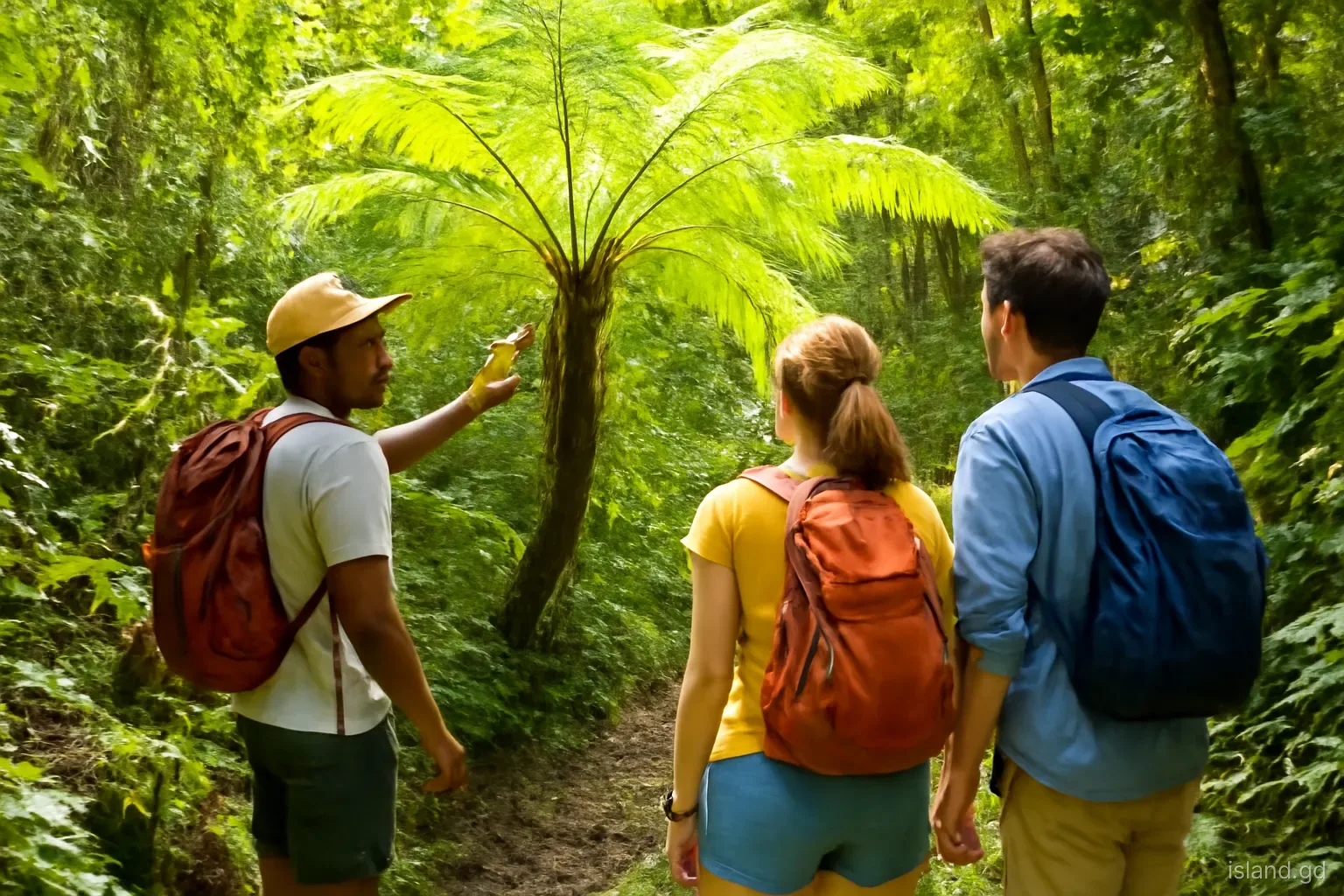
Grenada's rainforest is small enough to reach in half an hour from the beach and wild enough to get badly wrong. The forests of the central mountains are protected for their wildlife and, above all, for the water they supply to much of the island. Visitors who treat them as a theme park, feeding monkeys, wandering off trails or bathing in rivers in a storm, put themselves and the forest at risk, often without realising it.
This guide brings together the rules, the courtesies and the real risks of visiting the rainforest, from park regulations and private land to health hazards and weather. It is not meant to put anyone off. Most visits are safe and memorable, and the advice here mostly comes down to preparation, respect and a willingness to listen to local people who know the forest. Specific rules and fees change, so check with the forestry and national parks authorities or a licensed guide for current details.
Who manages the forest, and what the rules cover
Grenada's forest reserves and national parks, including the Grand Etang Forest Reserve and National Park, are managed by the government's forestry and national parks authorities. Their role combines conservation, protection of watersheds that supply drinking water, and visitor management at sites such as the Grand Etang visitor centre. Rangers and forestry staff can advise on trail conditions, closures and guides, and they are the first people to ask if you are unsure about anything.
The rules are mostly common sense, but they matter. Collecting plants, orchids, seeds, animals or other natural materials from protected areas is not allowed. Hunting and cutting trees are restricted. Lighting fires, dumping rubbish and damaging trails or signs are prohibited. Some areas may be closed temporarily for safety after storms or landslides, or for restoration work. Entry fees at managed sites support the upkeep of facilities and trails, and paying them is part of visiting responsibly. If a sign, ranger or guide asks you not to enter an area, respect it.
Private land, community trails and guides
Not every trail in Grenada's interior is on public land. Some of the best-known routes, including the approach to the Seven Sisters waterfalls, have traditionally crossed private estates or community land, where landowners or local groups collect a fee and sometimes provide guides. Paying these fees supports the people who maintain access and live alongside the forest. Walking onto farmland without permission, picking fruit from trees or leaving gates open damages relationships between visitors and communities.
A good local guide is one of the best investments you can make in a rainforest visit. Guides know which trails are passable, how conditions change after rain, where wildlife is likely to be seen and how to find the way on routes that are poorly marked. Many also know traditional uses of plants, local names and stories that bring the forest to life. Ask your accommodation, the visitor centre or the tourism authority for recommendations, agree the price and the route in advance and check what is included, such as transport and entry fees.
Health risks worth knowing about
Leptospirosis. This bacterial infection is spread through water or soil contaminated by the urine of infected animals, especially rats. It is a risk in tropical freshwater, including rivers, streams and pools after heavy rain. Avoid swimming with open cuts, do not drink untreated water and seek medical advice if you develop fever, headache and muscle pain after exposure.
Mosquito-borne illnesses. Dengue and other mosquito-borne viruses occur in the Caribbean. Use insect repellent, especially in the early morning and late afternoon, and wear light, long clothing in the forest.
Heat and dehydration. Humidity and steep climbs drain fluids quickly, even when the air feels cool. Carry more water than you think you need.
Slips and falls. Mud, wet rocks and roots cause most injuries on Grenada's trails. Good footwear with grip, a walking pole on steep routes and a slower pace reduce the risk.
Stinging plants and insects. Some plants cause skin irritation, and wasps nest in vegetation. Look before grabbing branches for support.
Manchineel on the coast. Not a forest risk, but worth knowing: this beach tree has toxic sap and fruit. Avoid it on coastal walks.
Weather, floods and getting lost
The greatest dangers in Grenada's rainforest come from weather. Heavy rain in the mountains can raise rivers and streams within minutes, turning a calm crossing or a waterfall pool into a torrent. Flash floods can arrive with little warning, even if it is not raining where you are, because rain may be falling higher up the valley. If the water rises, becomes muddy or carries debris, leave the riverbed immediately and move to higher ground. Never attempt to cross a river in flood.
Getting lost is another real risk on longer or less-used trails, where paths can be faint, overgrown or confused by side tracks. Phone signal may be patchy in valleys and on remote ridges. Before setting out, tell someone your route and expected return time, carry a charged phone, a small torch and some food, and turn back if the trail becomes unclear. In an emergency, call 911. With sunset around six in the evening year-round, start early and plan to be out of the forest well before dark.
Mistakes that harm the forest or its wildlife
Many of the problems rangers and guides see come from visitors who mean well. The most common:
- Feeding mona monkeys. Human food harms their health, changes their behaviour and can make them aggressive. Watch them from a distance and keep food out of sight.
- Leaving the trail. Shortcuts cause erosion on steep slopes, trample seedlings and damage fragile summit vegetation.
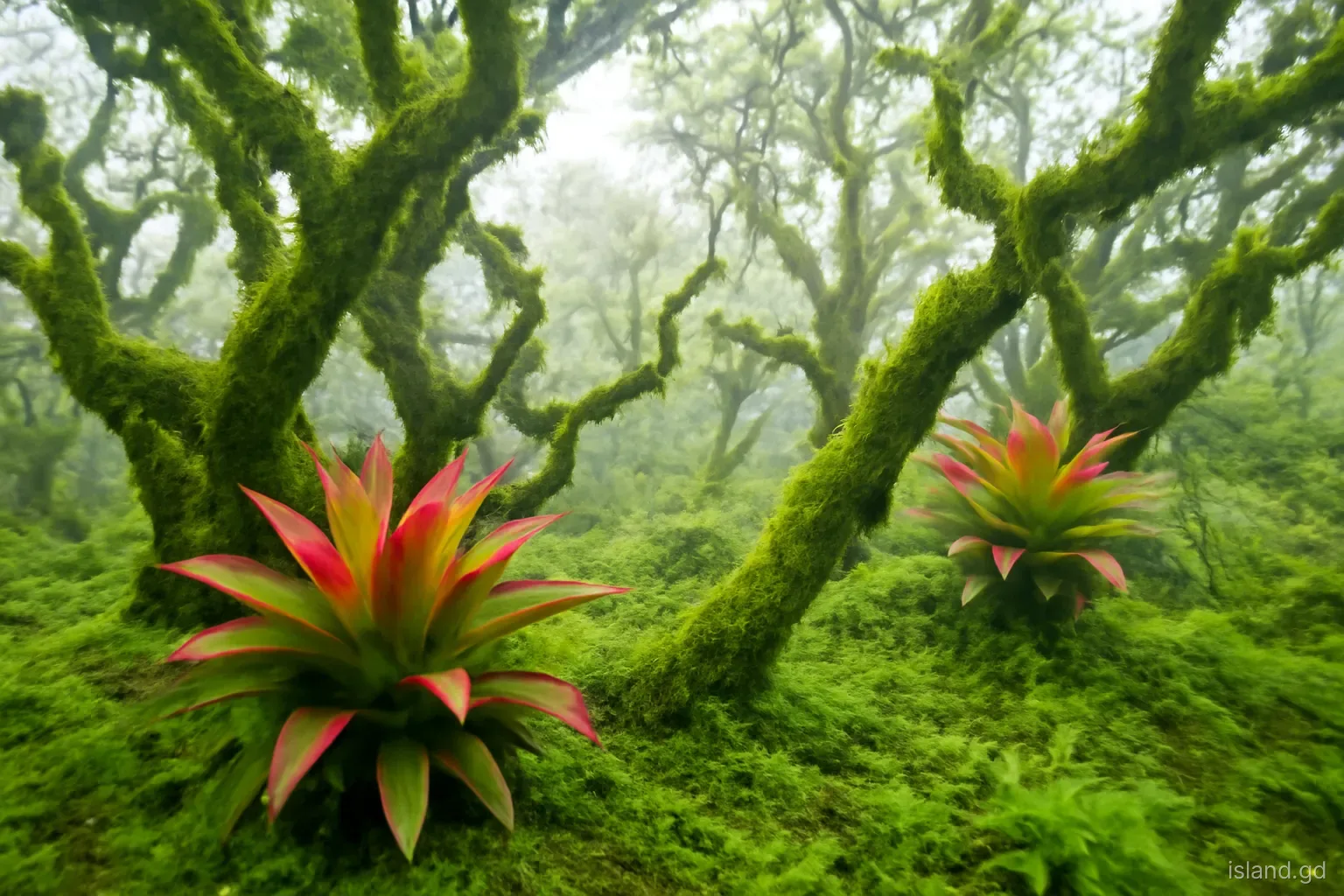
- Taking souvenirs. Picking orchids, bromeliads, ferns or seeds removes plants that grow slowly and are protected.
- Leaving rubbish. Even food scraps attract animals and spread disease. Carry everything out, including fruit peel.
- Using soap or sunscreen in streams. These pollute water that flows to communities downstream. Rinse away from the water.
- Making noise. Loud music and shouting disturb wildlife and other visitors. The forest is best heard, not drowned out.
- Disturbing nesting birds or animals for photographs, including using flash or playback calls at close range.
Supporting the forest and the people around it
Responsible visiting is not only about avoiding harm. Money spent in the communities around the forest, on local guides, landowners' access fees, roadside fruit, a meal in a village cook shop or crafts made nearby, gives people a direct stake in keeping the forest standing and trails open. Choosing a licensed local guide over an anonymous package, and paying fair prices without haggling hard, keeps that benefit where it counts.
Visitors can also help in quieter ways. Report fallen trees, damaged trails or dumping to the visitor centre or forestry staff. Share accurate, up-to-date information when you review places, including closures or changed access, so later visitors are not misled by out-of-date descriptions. If you are staying longer, local environmental and community groups sometimes organise clean-ups, tree planting or birding surveys that welcome volunteers; asking at the visitor centre or through the tourism authority is a good starting point.
A short preparation checklist
Good preparation turns almost every rainforest outing into a pleasure. Wear sturdy shoes or trail sandals with real grip rather than flip-flops, and clothes that can get muddy. Pack a light rain jacket, insect repellent, sun protection for the drive and any open stretches, enough water, a snack and a small first-aid kit. Keep your phone and money in a waterproof bag. Check the weather and ask locally about trail conditions before setting out, especially in the rainy season.
Above all, adjust your plans to the forest rather than the other way round. If a guide or ranger says a trail is too wet, a river too high or a section closed, accept it and choose an alternative; the forest will still be there tomorrow. Visitors who start early, move carefully, respect local people and the rules, and leave nothing behind but footprints, come away with the best of Grenada's interior: cool air, birdsong, mist on the ridges and a sense of how much the island depends on its mountains.
Frequently asked questions
Do you need a guide to hike in Grenada's rainforest?
Short trails around the Grand Etang visitor centre can be walked without a guide. For longer or more remote routes, such as Mount Qua Qua, Mount St Catherine or the Seven Sisters, a local guide is strongly recommended for safety, navigation and access to private land, and some trails effectively require one.
Is it safe to swim in Grenada's rivers and waterfalls?
Many people swim in pools at waterfalls, but take care. Heavy rain can cause flash floods, rocks are slippery, and tropical freshwater carries a risk of leptospirosis, especially after rain. Avoid swimming with open cuts, check conditions locally and leave the water if it rises or turns muddy.
Can you feed the monkeys at Grand Etang?
No. Feeding mona monkeys harms their health, changes their natural behaviour and can make them aggressive towards people. Watch and photograph them from a respectful distance, keep food out of sight and discourage others from feeding them, even when vendors suggest it.
Are there dangerous animals in Grenada's rainforest?
Grenada has no large dangerous predators in the forest. The main risks are smaller: mosquitoes, wasps, stinging plants and slippery terrain. Snakes are present but rarely encountered, and the island is not known for venomous species posing significant danger to walkers.
What should you do in an emergency in the rainforest?
Call 911, give your location as clearly as possible and stay where you are if lost, unless you are in danger from rising water. Telling someone your route and return time before setting out, carrying a charged phone and starting early all make rescue easier if needed.