On 1 July 2024, Hurricane Beryl passed over Carriacou and Petite Martinique as a powerful Category 4 storm, the earliest storm of that strength ever recorded in the Atlantic season. On an island of around 2.4 square kilometres, there was nowhere to escape the wind. Most homes were damaged or destroyed, roofs were torn away, power and communications failed, and the community was cut off from the outside world for a time.
Petite Martinique has rebuilt before, after other storms, but Beryl was on a different scale. Recovery since then has relied on residents, the Government of Grenada, regional and international partners and, crucially, the island's diaspora.
This article explains what happened, how the island is rebuilding and what it means for anyone planning a visit. Conditions keep changing, so check the latest before you travel.
What the storm did
Beryl's strongest winds struck the sister islands directly. On Petite Martinique, roofs were stripped, walls collapsed and many of the solid concrete homes that the island was proud of were left damaged or open to the sky. Electricity poles and lines came down, mobile and internet services failed, and water systems, including desalination equipment and rooftop catchment, were badly affected.
The sea added to the damage. Boats were thrown ashore, sunk or smashed against each other, and jetties, slipways and shoreline buildings took a battering. For an island that depends on boats for food, income and transport, the loss of vessels and engines was as serious as the damage to houses.
In the immediate aftermath, rough seas and debris complicated access, and communications were limited. Residents relied on each other, sharing shelter, food and water and clearing roads and landing areas with whatever tools were available, before outside help could arrive in significant quantities.
The scale of the damage was quickly visible from the air and from Carriacou across the channel, where the same storm had done similar harm. Both sister islands needed help at the same time, which stretched resources in the first weeks.
How relief reached the island
By sea. With no airport, Petite Martinique depends on boats. Relief supplies of water, food, tarpaulins and medicines came across from Grenada and Carriacou on government vessels, coastguard boats, private boats and ferries once conditions allowed.
Government coordination. Grenada's National Disaster Management Agency (NaDMA) and government ministries, including the ministry responsible for Carriacou and Petite Martinique affairs, coordinated assessments, shelters and distribution of supplies.
Regional and international help. Caribbean neighbours, regional disaster organisations and international partners sent supplies, equipment and personnel. Power and telecommunications companies brought in crews and materials to restore services in stages.
The diaspora. Petite Martinicans abroad raised funds, shipped barrels and building materials, and helped relatives rebuild. For many households, support from family overseas was faster and more personal than any official programme.
Rebuilding homes and services
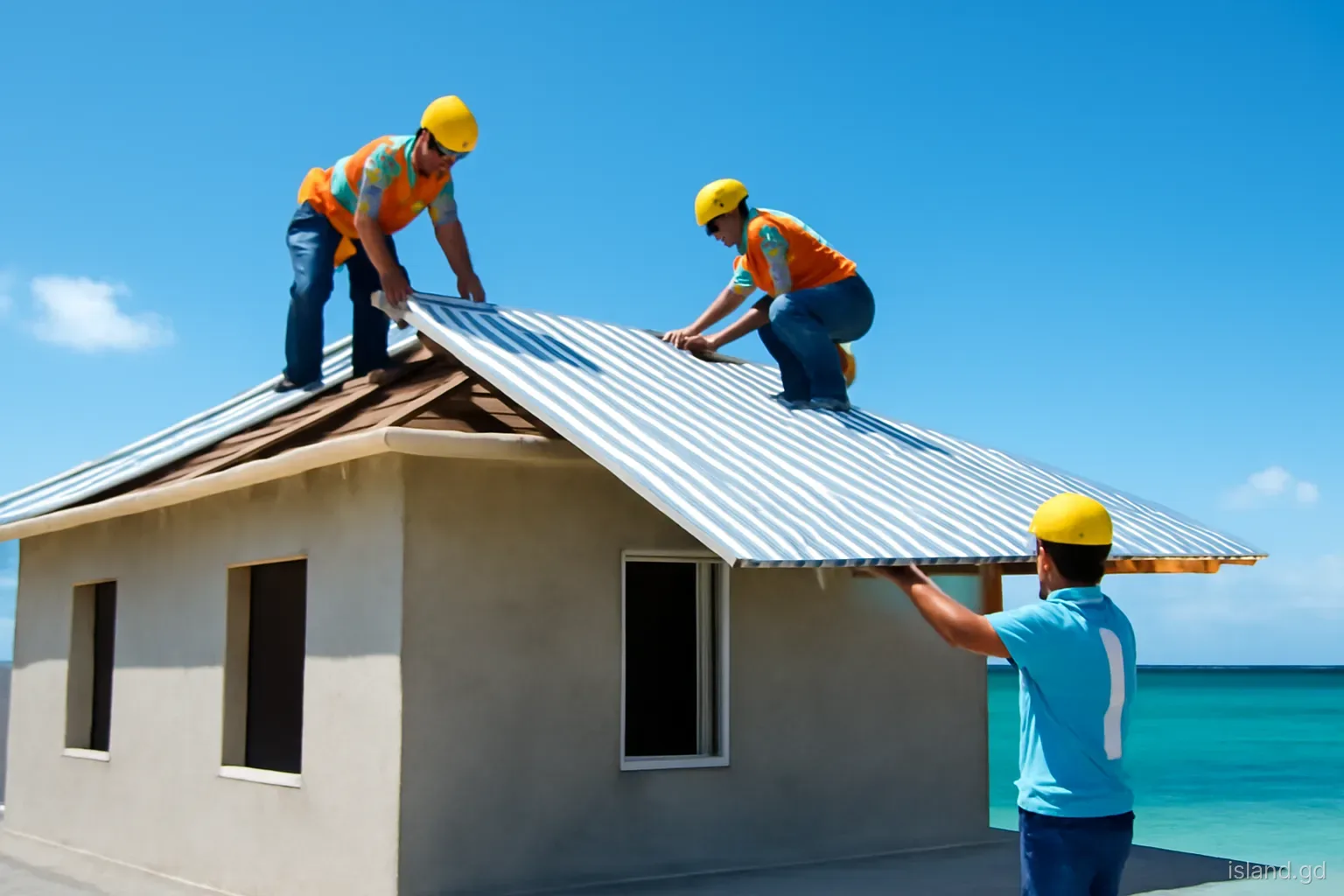
Rebuilding on a small island is slow and expensive. Every sheet of roofing, bag of cement and length of timber has to be shipped in, usually via Carriacou, and skilled builders are in high demand across both sister islands. Government housing assistance and rebuilding programmes, supported by partners, have aimed to repair and replace homes to stronger standards, while many families have rebuilt with their own savings and help from abroad.
Services have returned in stages. Electricity and mobile coverage were restored progressively, and water supply has relied on repaired and replacement desalination capacity alongside rain catchment. Schools, churches and the health facility were repaired or worked from temporary arrangements while repairs went on.
Progress is uneven. Some homes were rebuilt quickly and others are still waiting. Some businesses reopened within months, while others remain closed or have changed. The overall direction is clear, though: the island is rebuilding, and its people are determined to stay.
Building back stronger
Beryl renewed attention to how buildings and infrastructure on the sister islands can withstand future storms. Measures discussed and applied include:
- Stronger roofs. Proper hurricane straps and fixings that tie roofs to walls, and roof shapes that resist uplift better.
- Better water storage. Larger and more secure cisterns, so households have water when supply systems fail.
- Distributed solar power. Rooftop solar with batteries, which can keep essential services running when the grid is down.
- Shelters. Community buildings designed and equipped to serve as hurricane shelters.
- Boat protection. Better planning for moving boats to sheltered areas or hauling them out before a storm.
- Communications. Backup links so the island is not cut off when towers and lines fail.
Each of these costs money and depends on materials reaching the island, so progress has been gradual. Building to a higher standard also takes longer than simply replacing what was there, and some families have had to choose between rebuilding quickly and rebuilding stronger. Grants, materials programmes and advice from engineers have helped tip that balance towards safer construction, but the work continues house by house.
Visiting during recovery
Petite Martinique welcomes visitors, and tourism spending helps recovery. But it is a community still dealing with the after-effects of a major disaster, and visits should reflect that. Before travelling, contact accommodation directly to confirm it is open and ready, ask what food and services are available, and check the boat schedule from Carriacou.
Bring what you need for a short stay: cash in Eastern Caribbean dollars, medication, sun protection and a refillable water bottle. Use water sparingly, accept that power or internet may be less reliable than elsewhere, and be patient with slower service.
Be thoughtful with photographs. Damaged homes are people's homes, and residents may not want them treated as sights. Ask before taking pictures of people or private property. If you want to help beyond spending money locally, give through established organisations working on the islands rather than turning up with donations that may not match what is needed.
Lessons from Beryl for the hurricane season
Beryl was a reminder that the Atlantic hurricane season, from June to November, can produce dangerous storms early. On Petite Martinique, preparations now begin well before peak season: checking roofs and shutters, filling cisterns, stocking food and water, and planning where boats will go.
For visitors, the lesson is to watch forecasts closely if travelling during the season, follow advice from NaDMA and the Grenada Meteorological Service, and be ready to leave early or stay put as advised. Small islands can be cut off for days after a storm, and ferry and small-boat services stop well before conditions become dangerous.
Residents also point to the value of community. In the hours and days after Beryl, neighbours checked on each other, shared what they had and organised themselves. That habit, built over generations on a small and isolated island, remains its strongest protection.
Why small islands are hit so hard
A hurricane that strikes a large island spreads its damage over many communities, and unaffected areas can support the hardest-hit ones by road. On an island the size of Petite Martinique, the whole community takes the full force at once. There is no unaffected district from which help can drive in, no high inland valley offering shelter from the wind and no airport for emergency flights.
Dependence on the sea compounds the problem. The boats that bring in food, fuel and building materials are themselves at risk in a storm, and the same rough seas that follow a hurricane delay relief. Spare parts, generators, roofing and skilled tradespeople all have to come from elsewhere, and they are needed everywhere at once after a major storm.
This is why preparedness on the sister islands puts so much emphasis on self-sufficiency for the first days after a storm: stored water, food, medicines, battery power and a household plan. It is also why the island's strong community ties matter so much. In the period before outside help arrives, neighbours are the emergency service.
Frequently asked questions
When did Hurricane Beryl hit Petite Martinique?
Beryl passed over Carriacou and Petite Martinique on 1 July 2024 as a powerful Category 4 hurricane. It was the earliest storm of that strength recorded in the Atlantic season and caused severe damage across both sister islands.
Is Petite Martinique open to visitors after Beryl?
Yes, visitors can travel to the island, and tourism spending supports recovery. Some accommodation and businesses have reopened while others have not, so confirm directly with any place you plan to use and check boat schedules before travelling.
How badly was Petite Martinique damaged?
Most homes were damaged or destroyed, many boats were lost or wrecked, and power, communications and water systems were badly affected. Rebuilding has made real progress since 2024, but some homes and services were still being restored afterwards.
How can visitors help Petite Martinique recover?
Stay in local accommodation where available, eat and shop locally, use local water taxis and treat residents and damaged property with respect. For donations, give through established organisations working on the island rather than bringing goods that may not be needed.
Is it safe to visit Grenada's sister islands in hurricane season?
Many people visit between June and November without problems, but you should watch forecasts, follow official advice from NaDMA and the Grenada Meteorological Service, and be flexible. Boat services stop before storms, and small islands can be cut off for days afterwards.