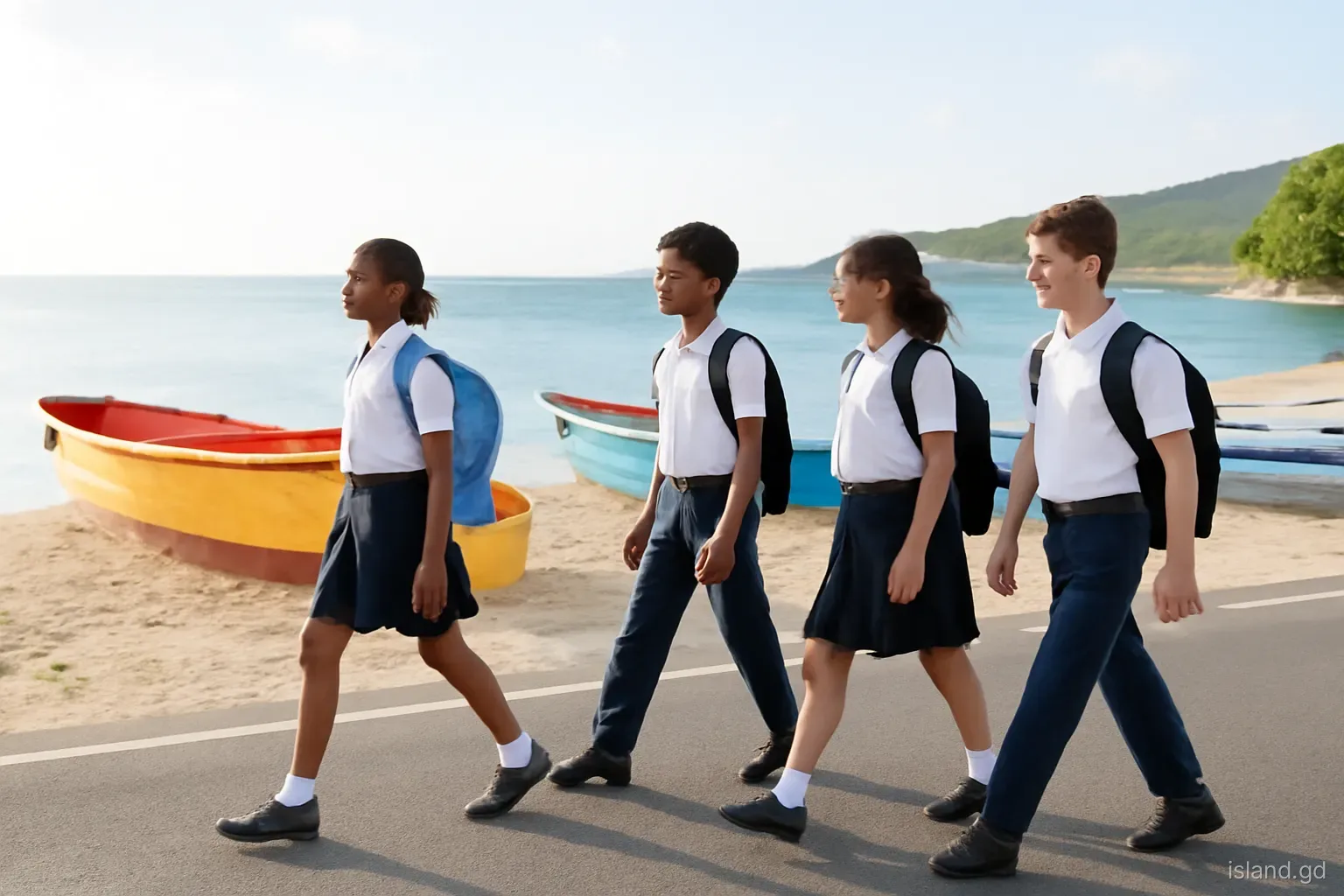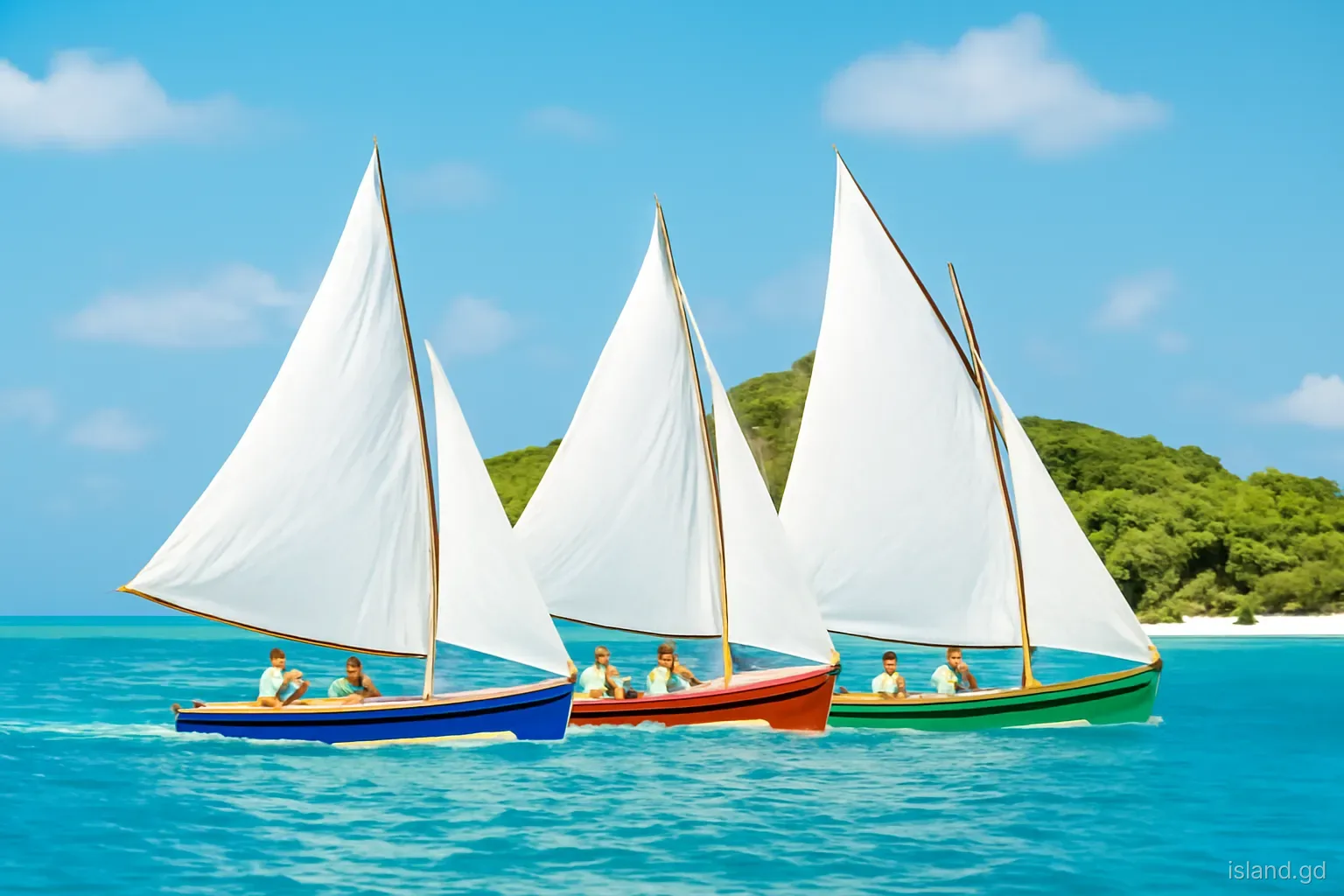
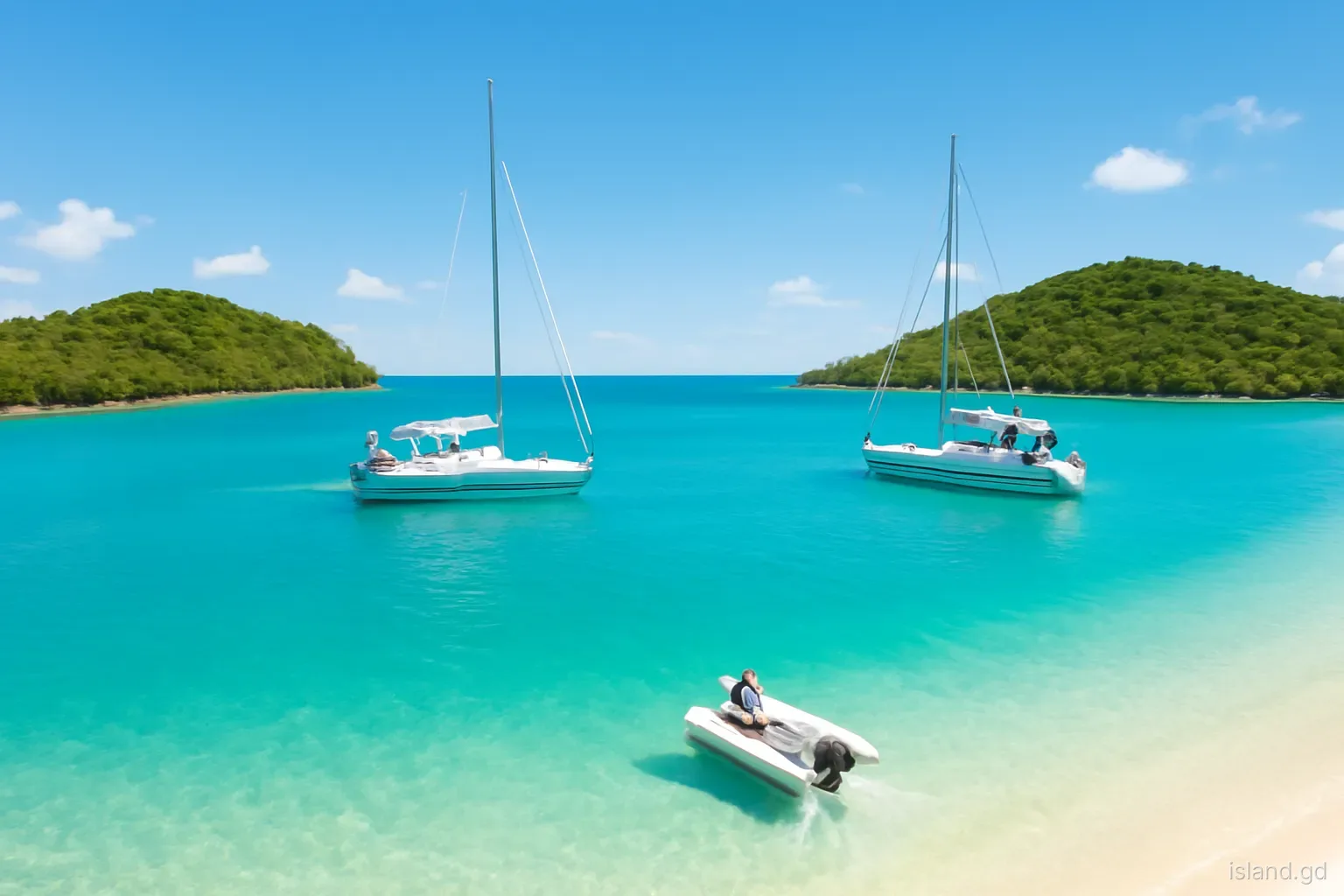
For yachts working through the southern Grenadines, Petite Martinique sits at a natural crossroads. It is Grenada's last inhabited island before the border, a short hop from Carriacou's anchorages and within sight of Petit St Vincent, Union Island and the cays beyond. It has long been known among cruisers as a practical stop for fuel and water, and as a chance to see a working island that has not been reshaped by tourism.
The catch is the border. The channel between Petite Martinique and Petit St Vincent is narrow, and the temptation to treat the two as one cruising ground is strong. They are in different countries, and the rules on clearance apply however short the distance.
This briefing covers the essentials: approaches, anchoring, formalities, going ashore and how Hurricane Beryl changed the picture. It is no substitute for an up-to-date cruising guide, current charts and local advice.
Approaches and hazards
Reefs everywhere. The southern Grenadines are shallow and reef-strewn. Reefs fringe Petite Martinique, Petit St Vincent and Carriacou's north-east coast, and there are isolated shoals between them. Navigate in good light with the sun high or behind you, keep a lookout on the bow and do not rely on older waypoints or electronic charts alone.
Wind and swell. The north-east trade winds blow across this area for much of the year, and Atlantic swell wraps around the islands. The windward coast of Petite Martinique is exposed and rough; the more sheltered side offers the anchoring options, but conditions there change with wind direction.
Current. A westward-setting current runs through the islands and can be stronger in the channels. Allow for it when approaching reef edges or crossing between islands, especially under power at low speed.
Local traffic. Fishing boats, water taxis and the ferry use these waters constantly. Fish pots marked by small floats are common near reefs and can foul a propeller; keep a sharp eye out, especially at dusk.
Planning the hop from Carriacou
Most yachts reach Petite Martinique from Carriacou, either from Hillsborough on the west coast or from Tyrrel Bay in the south-west, after clearing in or before clearing out of Grenada. The distance is short, but the route rounds Carriacou's northern end or threads past the reefs off its north-east coast, and both options deserve care. The passage north of Carriacou is generally the more straightforward for boats unfamiliar with the area; inside routes close to Windward are best left to those with local knowledge and good light.
Expect the wind forward of the beam for at least part of the trip when heading east into the trades, and a lively sea where the channel opens to the Atlantic. Leave in the morning so that you arrive with the sun high, and have an alternative plan if the anchorage looks uncomfortable when you get there. Many cruisers treat PM as a day stop, returning to Carriacou to spend the night in a more protected bay.
Where yachts anchor
Yachts visiting Petite Martinique usually anchor off the settlement on the sheltered side of the island, near the jetty and the area traditionally used for fuelling. The exact spot depends on wind and swell. In settled trade-wind conditions the anchorage can be comfortable; when the wind shifts or a northerly swell runs, it can become rolly or untenable, and Carriacou's larger bays, such as Tyrrel Bay or Hillsborough, become better choices.
Holding varies, with patches of sand, weed and coral. Dive on or snorkel over your anchor to check it is set in sand, not on coral, which is both bad for the reef and poor holding. Leave plenty of room for local boats that need access to the jetty and slipways, and avoid anchoring in any channel that fishing boats and the ferry use.
Hurricane Beryl changed seabeds, moorings and shore facilities across the sister islands in July 2024. Wrecks and debris may lie in places that were once clear, and any moorings you remember from earlier visits may be gone or unreliable. Ask other cruisers and local skippers about current conditions before committing to a spot for the night.
At night, show an anchor light even if the anchorage seems empty: fishing boats and water taxis move after dark and before dawn, often at speed and without radar. Keep a sharp watch for fishers heading out early, and if your boat swings close to the approach to the jetty, re-anchor rather than hope it will be fine.
Clearance: where and why it matters
Grenada's official ports of entry for yachts in the sister islands are on Carriacou, not on Petite Martinique. A boat arriving from St Vincent and the Grenadines, including from Union Island or Petit St Vincent, must clear into Grenada on Carriacou before stopping at Petite Martinique. Likewise, a boat leaving Petite Martinique for Petit St Vincent or Union must first clear out of Grenada on Carriacou and then clear into St Vincent and the Grenadines at one of its ports of entry.
The obvious shortcut, a quick sail or dinghy ride across the channel without paperwork, is illegal, and both countries' coastguards and customs services patrol these waters. Penalties can include fines and complications for future clearances. The rule applies to people as well as boats: swimming or paddling across to the other side counts as entering another country.
Clearance procedures, forms and fees are set by Grenada's customs and immigration authorities and change from time to time, including the use of online pre-arrival systems. Confirm current requirements before arriving and allow time for office hours, which are shorter at weekends and on public holidays.
Fuel, water and supplies
Petite Martinique's long trading tradition has made it a useful supply stop, but services were disrupted by Hurricane Beryl. Plan conservatively:
- Fuel. The island has traditionally had a fuel dock serving local boats and yachts, valued by cruisers for its convenience. Check before relying on it, and approach the dock only in suitable conditions and with fenders ready.
- Water. Fresh water on PM comes from rain catchment and desalination and is precious. Fill tanks elsewhere if you can, and buy water on the island only where it is clearly offered for sale.
- Provisions. Small shops sell basic groceries and drinks, with range and stock depending on deliveries. Do major provisioning on Grenada's main island or Carriacou.
- Ice and gas. Availability varies. Ask locally rather than assuming.
- Rubbish. Waste disposal on a small island is limited. Keep rubbish aboard and dispose of it in Carriacou or wherever residents indicate it is acceptable.
- Cash. Bring Eastern Caribbean dollars. Card payment and banking are limited on the island.
Going ashore well
Land at the main jetty or a beach where residents indicate dinghies are welcome, and tie up so you do not block fishing boats or the ferry berth. Lock the dinghy and outboard, as you would anywhere in the region. On the beach, keep clear of boats being built or repaired, and never move or lean on gear that is not yours.
Petite Martinique is a residential community, not a resort. Cover up when walking through the village, greet people with a good morning or good afternoon, and ask before photographing homes or people. Supporting local businesses, from a meal ashore to buying fish from a fisher, is the best way to be a welcome visitor and helps a community still rebuilding after 2024.
If you are staying a few days, walking the shore road, climbing the Piton early in the morning or attending a church service are good ways to see the island beyond the jetty. Respect any private land and ask before crossing grazing areas on the hill.
Frequently asked questions
Can you clear customs on Petite Martinique?
No. Grenada's ports of entry in the sister islands are on Carriacou. Yachts arriving from St Vincent and the Grenadines must clear in on Carriacou first, and yachts heading to Petit St Vincent or Union Island must clear out there before leaving Grenadian waters.
Is the anchorage at Petite Martinique safe overnight?
In settled trade-wind conditions it can be comfortable, but it is exposed to wind shifts and northerly swell. Check the forecast, set your anchor in sand and have a plan to move to Carriacou's more sheltered bays if conditions change during the night.
Can you take a dinghy from Petite Martinique to Petit St Vincent?
Not without clearing. Petit St Vincent is in St Vincent and the Grenadines, so crossing by any vessel, even a dinghy, without proper customs and immigration clearance is illegal and can lead to fines and other penalties.
Can yachts get fuel on Petite Martinique?
The island has traditionally had a fuel dock used by local boats and yachts. Services were disrupted by Hurricane Beryl in 2024, so check current availability with other cruisers or locally before relying on it.
What should sailors know about Hurricane Beryl's impact?
Beryl damaged moorings, docks and shore facilities and left debris in some anchorages in July 2024. Use current cruising guides, ask other cruisers for recent reports and treat any remembered mooring or seabed feature with caution until you have checked it yourself.