The best month to island-hop between Grenada, Carriacou and the Vincentian Grenadines depends on what matters most to you: calm seas, steady sailing breezes, festivals, low prices or the fewest crowds. These rarely line up in the same month, and the trade winds and ocean swell that shape every crossing change noticeably through the year.
This month-by-month guide focuses on the things that affect moving between islands: wind strength, sea state in the open channels, rain, hurricane risk, and the events that fill ferries and guesthouses. Festival dates shift from year to year, particularly those tied to Easter and Pentecost, so always confirm the current calendar with organisers or the tourism authorities in Grenada and St Vincent and the Grenadines before planning around a specific event.
January to March: Christmas winds and lively seas
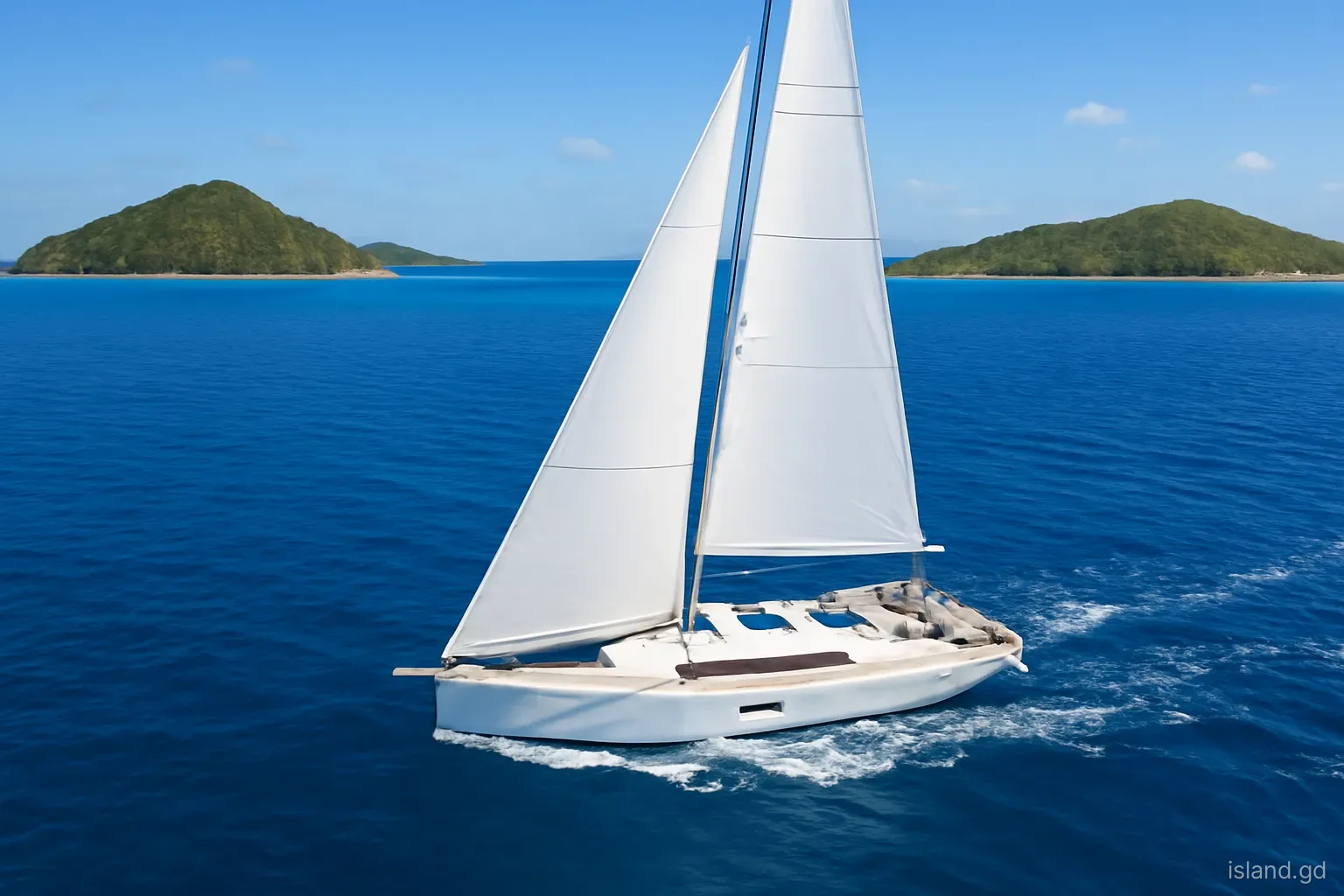
The new year starts in the heart of the dry season, with low rainfall, low humidity and the strongest trade winds of the year. Grenadians call these the Christmas winds; they often blow 15 to 25 knots from the east or north-east and can stay strong for days. For sailors this is fast, exhilarating sailing; for ferry passengers and anyone crossing in small boats, it means rougher open channels, more spray and occasional cancellations. Northerly swells generated by winter storms far to the north can also wrap into north-facing bays and some anchorages.
Carriacou Carnival is held in the days before Lent, in February or early March, keeping the traditional pre-Lenten timing, while Grenada's main Spicemas carnival takes place in August. Carnival brings visitors from Grenada and the diaspora, so ferries and accommodation fill. This period is also peak season for international tourism, with the highest accommodation prices and the most yachts at anchor. If you are prone to seasickness, consider flying some legs at this time of year and keeping small-boat crossings to the morning, before the wind builds.
April and May: the calm sweet spot
As the dry season continues, the trade winds generally ease, and the open channels between the islands often become calmer than at any other time of year. April and May are popular with families, less confident sailors and anyone who wants comfortable crossings. Rainfall remains low, though the landscape can look dry and brown on the smaller, lower islands such as Carriacou and Union, where there is less rain than on mainland Grenada's mountains.
Easter brings two notable events. On Union Island, Easterval is a weekend of music, culture and competitions, and on Bequia, the Easter Regatta draws traditional Bequia boats and visiting yachts for racing and festivities. Carriacou's Maroon and String Band Music Festival, which celebrates the island's African heritage and traditional music, has typically been held in late April. After Easter, crowds thin and prices begin to fall, making late April and May one of the most balanced times to travel. Water visibility for snorkelling in the Tobago Cays and around Sandy Island is often good in calm spells.
June to August: early hurricane season and regatta time
The official Atlantic hurricane season begins on 1 June. Early-season storms are less frequent than later in the year, but Hurricane Beryl, a major hurricane that struck Carriacou, Petite Martinique and Union Island on 1 July 2024, showed that early systems can be severe. What changes in these months:
- Rain increases. The rainy season begins, with showers and heavier squalls, often brief and followed by sunshine, but sometimes lasting.
- Winds can be lighter and more variable, with calm hot days between tropical waves, which bring brief spells of stronger wind and rain as they pass.
- Pentecost events. Petite Martinique has traditionally held a regatta around Whitsuntide, so check the year's dates if you want to see local boat racing on the smallest island.
- Carriacou Regatta. The Carriacou Regatta Festival, centred on races between locally built wooden sloops, takes place around late July and early August and is the island's biggest event of the summer.
- Spicemas on Grenada. Grenada's carnival peaks in the second week of August, with heavy demand for ferries and flights to and from St George's.
- Forecasts become essential. Watch the regional forecasts and advisories from the national meteorological services and the US National Hurricane Center when travelling between islands.
September to November: peak storm risk and quiet islands
September and October are statistically the most active months of the hurricane season across the Atlantic. Grenada lies near the southern edge of the main hurricane track, and many years pass without a direct hit, but tropical storms and swell from systems passing to the north still disrupt ferries and small-boat crossings. Hurricane Ivan in September 2004 is the reminder that a direct strike is possible. Travelling at this time is feasible with flexible plans, good insurance and close attention to the forecast, but it is not the moment for a tightly scheduled multi-island route.
If you do travel in these months, choose accommodation and transport with clear cancellation terms, register your plans with someone at home, and know where official advisories are issued. In Grenada, the National Disaster Management Agency (NaDMA) and the Grenada Meteorological Service issue warnings, and ferry operators suspend sailings well before a storm arrives, so a watch or warning can strand you on Carriacou for several days. Keep extra cash, water and medicine accordingly.
This is also the quietest time for tourism. Some guesthouses, restaurants and tour operators on the smaller islands close for a month or more for maintenance and holidays, so check that the places you want to use are open. Seas between storms can be calm and warm, and prices are at their lowest. By late November, the rains generally begin to ease and the first steady trade winds return, signalling the approach of the new season.
How each season affects ferries, planes and small boats
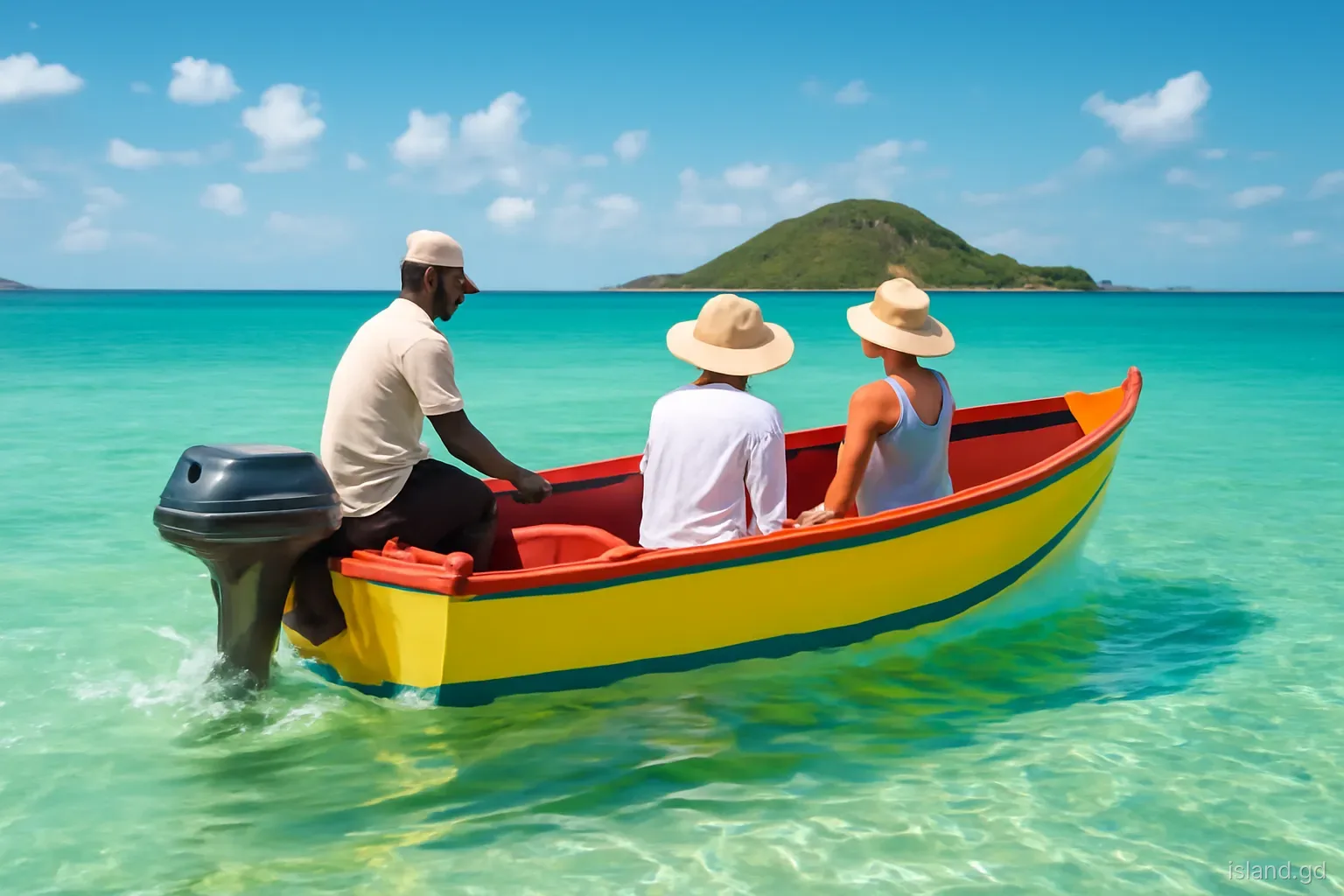
Different ways of travelling respond to the seasons in different ways. The fast ferry between Grenada and Carriacou copes with most conditions but becomes uncomfortable in the strong winds and swell of the early months of the year; cancellations are more likely when a tropical system is nearby. Small planes cope well with wind but are delayed by low cloud and heavy rain squalls, which are more frequent in the rainy season, especially in the afternoons. Open water taxis and small passenger boats are the most weather-sensitive of all and are often the first to stop running when the sea gets up.
In practice, this means planning longer crossings by small boat for calmer months or calm mornings, using the ferry as the dependable backbone of a trip, and treating flights as a useful backup when the sea is rough. In the windiest weeks, many travellers swap a planned water-taxi trip to Petite Martinique for the ferry, or take a morning flight instead of a rough crossing. In hurricane season, the deciding factor is the forecast rather than the month; a calm week in September can be easier than a stormy week in February.
December: festive travel and the return of the trades
Parang season on Carriacou. The Carriacou Parang Festival, a celebration of the island's Christmas string-band and serenading tradition, has traditionally been held in mid-December, drawing visitors and returning family members from Grenada and abroad.
Busy boats and planes. Diaspora travel home for Christmas fills flights into Grenada and St Vincent, then ferries and inter-island flights. Book well ahead for the second half of the month and the days around New Year.
Wind building again. The Christmas winds usually return during December, so crossings that felt easy in autumn can become noticeably livelier by the end of the month.
High season pricing. Accommodation prices rise from mid-December into the new year. Early December can offer good value before the peak sets in.
The best month overall? For many people, the best compromise is not December itself but the months either side of the peak: late November to early December, and late April to May, when weather is reasonable and crowds are thinner.
Frequently asked questions
What is the best month to island-hop the Grenadines?
For calm seas and dry weather, April and May are usually the most comfortable months. For steady, strong sailing winds, January to March is ideal but rougher for ferry passengers. The months around those peaks, late November and late April to May, often balance weather, prices and crowds well.
When are the Christmas winds in Grenada?
The Christmas winds are the strong easterly and north-easterly trade winds that usually build in December and continue through the early months of the year, often easing in April. They bring dry, breezy weather but rougher crossings in the open channels between the islands.
Is it safe to island-hop during hurricane season?
It can be, with flexible plans and close attention to forecasts. Most days in hurricane season are fine, but a developing storm can cancel ferries and flights for days. Avoid tight schedules from August to October, choose refundable bookings where possible and check your insurance cover.
When is Carriacou Regatta?
The Carriacou Regatta Festival is usually held around late July and early August, featuring races between traditional wooden sloops built on the island, along with music and cultural events. Exact dates vary from year to year, so confirm the current schedule with organisers or tourism officials.
Does it rain much on Carriacou?
Carriacou is lower and drier than mainland Grenada, which has rainforested mountains that trap moisture. The smaller island gets noticeably less rain, especially in the dry season, when its hills can turn brown. Showers are more frequent during the rainy season from about June to November.