
Hopping between Grenada, Carriacou and Petite Martinique looks easy on paper: the distances are small, there is a ferry, there are planes and there are boats for hire. In practice, the islands work on rhythms that catch out visitors used to frequent services and card machines everywhere. A missed boat, an empty cash machine or a sudden public holiday can turn a smooth plan into a lost day.
This is a collection of the things that experienced travellers and islanders take for granted but that guidebooks rarely spell out. None of it is a reason not to go. Taken together, these points explain why island-hopping here rewards a looser schedule, a bit of cash in the pocket and a willingness to let a day unfold. After Hurricane Beryl in July 2024, some of the old certainties on Carriacou and Petite Martinique changed, which makes current local information more important than ever.
Time works differently on the smaller islands
Sundays are quiet. On Carriacou and Petite Martinique, many shops, offices and some restaurants close on Sundays, and transport runs less often. Ferry schedules may differ on Sundays and public holidays. Arriving on a Sunday afternoon with no food and no booked transfer is a common mistake.
Public holidays change everything. Grenada has a full calendar of public holidays, including Independence Day on 7 February, Emancipation Day in early August and Carnival days in August. On these days government offices, including customs and immigration, may close or work restricted hours, and boats can be full.
Lunch is a real break. Small businesses and some offices close for lunch. If you need to clear customs or visit the bank in Hillsborough, aim for the morning.
Schedules are a guide, not a promise. Departures depend on weather, passenger numbers and mechanical reliability. A boat leaving later than planned is common; one leaving early is rarer but possible. Arrive in good time and stay near the departure point.
The last day is not for travel. Never plan to arrive back on Grenada from Carriacou on the same day as an international flight home if you can avoid it. One cancelled ferry or delayed small plane is all it takes to miss a connection.
Cash still runs the islands
On Grenada's main tourist areas, cards are widely accepted in hotels, larger restaurants and supermarkets. On Carriacou and Petite Martinique, cash is much more important. Many taxis, water taxis, small shops, rum shops and guesthouses prefer or require cash, and the number of cash machines is limited. They can run out of notes over long weekends or during festivals, or go out of service when communications fail, as happened widely after Hurricane Beryl.
Arrive with enough East Caribbean dollars for several days of taxis, meals and boat trips, ideally taken out on Grenada before you travel. Small notes are especially useful, as boatmen and vendors may not have change for a 100-dollar note. US dollars are often accepted but change usually comes back in EC dollars and at a rounded rate. If you are continuing into St Vincent and the Grenadines, the same Eastern Caribbean dollar works there too, so there is no need to buy another currency for the next country.
Luggage is the hidden constraint
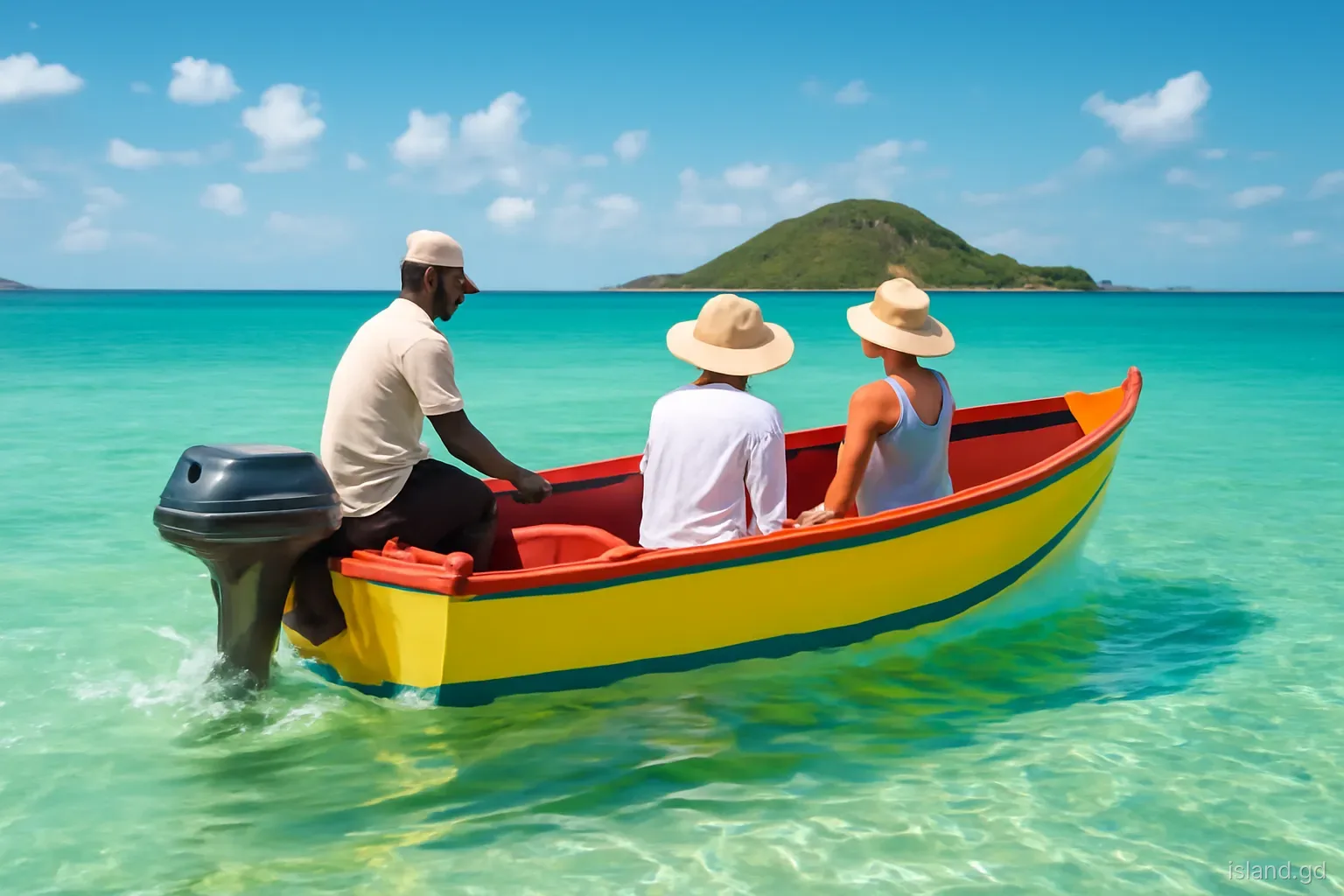
Every leg of an island-hopping trip involves lifting your bags: onto the ferry, along jetties, into small boats, sometimes onto a beach through shallow water. Hard-shell suitcases with small wheels are the least practical option on uneven jetties and sand. A soft bag or backpack that you can carry for a few hundred metres makes everything easier, from boarding the ferry to stepping into a water taxi.
Small aircraft on the Carriacou route have strict baggage limits, often well below those of international airlines. Water taxis have little room and no protection from spray. If you are travelling for a long stay, consider leaving surplus luggage with your accommodation on Grenada and taking only what you need to the smaller islands. Dry bags for electronics, documents and spare clothes are among the most useful items you can pack, and a light rain jacket doubles as protection against spray in open boats.
Weather is the real timetable
In these waters, the sea decides. Strong trade winds in the early months of the year, squalls in the rainy season and swell from distant storms can all cancel or delay sailings and small-boat trips. Ferries may run in conditions that are uncomfortable but safe; small open boats often will not, and a good boatman's decision to wait should be respected. Kick 'em Jenny, the submarine volcano north of Grenada, adds another factor: when its alert level is raised, exclusion zones around it can affect boat routes.
The practical response is to build slack into any plan. One spare day for every few planned crossings is a sensible rule of thumb. Check forecasts each evening, ask locally in the morning, and do not treat a cancelled boat as a disaster; it is part of island life. Travel insurance that covers delays and missed connections is worth having, but read the conditions, because some policies exclude delays caused by weather that was forecast before you booked.
Phones, data and staying reachable
Mobile coverage is generally good across Grenada, Carriacou and Petite Martinique, and visitors commonly buy a local SIM card on Grenada for calls and data. Having a working local number matters more than you might expect when island-hopping: boatmen, taxi drivers and guesthouse owners coordinate by phone and messaging apps, and agreeing a pickup time by phone is far easier than hoping to find each other on a beach.
Be aware that networks can be patchy in places, particularly on hillsides, on the windward coasts and in the channels between islands, and that service can be disrupted after storms, as it was in the aftermath of Hurricane Beryl. Download offline maps and save key contacts and booking details on your phone before leaving Grenada. If crossing into St Vincent and the Grenadines, check whether your plan covers roaming there or whether a new SIM card makes more sense.
Older information is often wrong after Beryl
Hurricane Beryl made landfall on Carriacou on 1 July 2024 as a major hurricane, causing severe damage on Carriacou and Petite Martinique. Rebuilding has continued since, but for travellers it means:
- Guesthouses, restaurants and bars named in older guidebooks, blogs and reviews may have closed, moved, changed hands or reopened in a different form.
- Shade on beaches has been reduced where trees were destroyed, so sun protection matters more than before.
- Jetties, roads and public facilities may have been repaired, rebuilt or temporarily replaced, changing where boats load and land.
- Water and electricity supplies, which are always more limited on the smaller islands, may still be under pressure in some areas.
- Supporting local businesses that have reopened makes a direct contribution to recovery; buying from them matters.
- Recent, first-hand local information, from your accommodation, the tourism authority or other travellers, is far more reliable than anything a few years old.
Small courtesies that make a big difference
The smaller islands are close communities where people know one another, and a few habits go a long way. Greet people before asking anything; a simple good morning or good afternoon is expected, whether you are boarding a minibus, entering a shop or asking a boatman about a trip. Dress modestly away from the beach, particularly in towns and villages. Ask before photographing people, especially at work or at home.
Patience is the most useful quality of all. Things happen when they happen, and pushing rarely speeds them up. Being friendly, flexible and prepared, with cash, water, sunscreen and a spare day in hand, turns the inevitable hitches into minor episodes rather than crises. Those who adapt to the islands' rhythm, rather than expecting the islands to adapt to theirs, generally come away with the best memories of the trip.
Frequently asked questions
Are there cash machines on Carriacou?
Yes, there are cash machines in Hillsborough, but they are few, can run out of notes on long weekends and festivals, and may go out of service. Carry enough East Caribbean dollars from Grenada to cover several days, including taxis, boat trips and meals, and keep small notes for water taxis.
Do ferries run on Sundays between Grenada and Carriacou?
Sunday sailings have generally operated, but schedules on Sundays and public holidays can differ from weekdays. Check the current timetable with the operator before planning a Sunday crossing, and remember that many shops and offices on Carriacou are closed that day.
How much time should you allow between islands and a flight home?
Aim to be back on Grenada at least the day before an international departure. Ferry cancellations for weather or mechanical problems happen, and small planes can be delayed by rain or wind. A buffer day costs far less than a missed long-haul flight.
What is the most useful thing to pack for island-hopping?
A dry bag is near the top of the list, for phones, documents and cash on ferries and open boats. A soft bag rather than a hard suitcase, sunscreen, a hat that stays on and enough cash in EC dollars make the rest of the trip much easier.
Is it safe to visit Carriacou and Petite Martinique after Hurricane Beryl?
Both islands are rebuilding and welcome visitors, and spending money locally helps recovery. Services may be more limited than before, and some businesses mentioned in older guides may not have reopened. Check with your accommodation or the tourism authority for the latest situation before travelling.