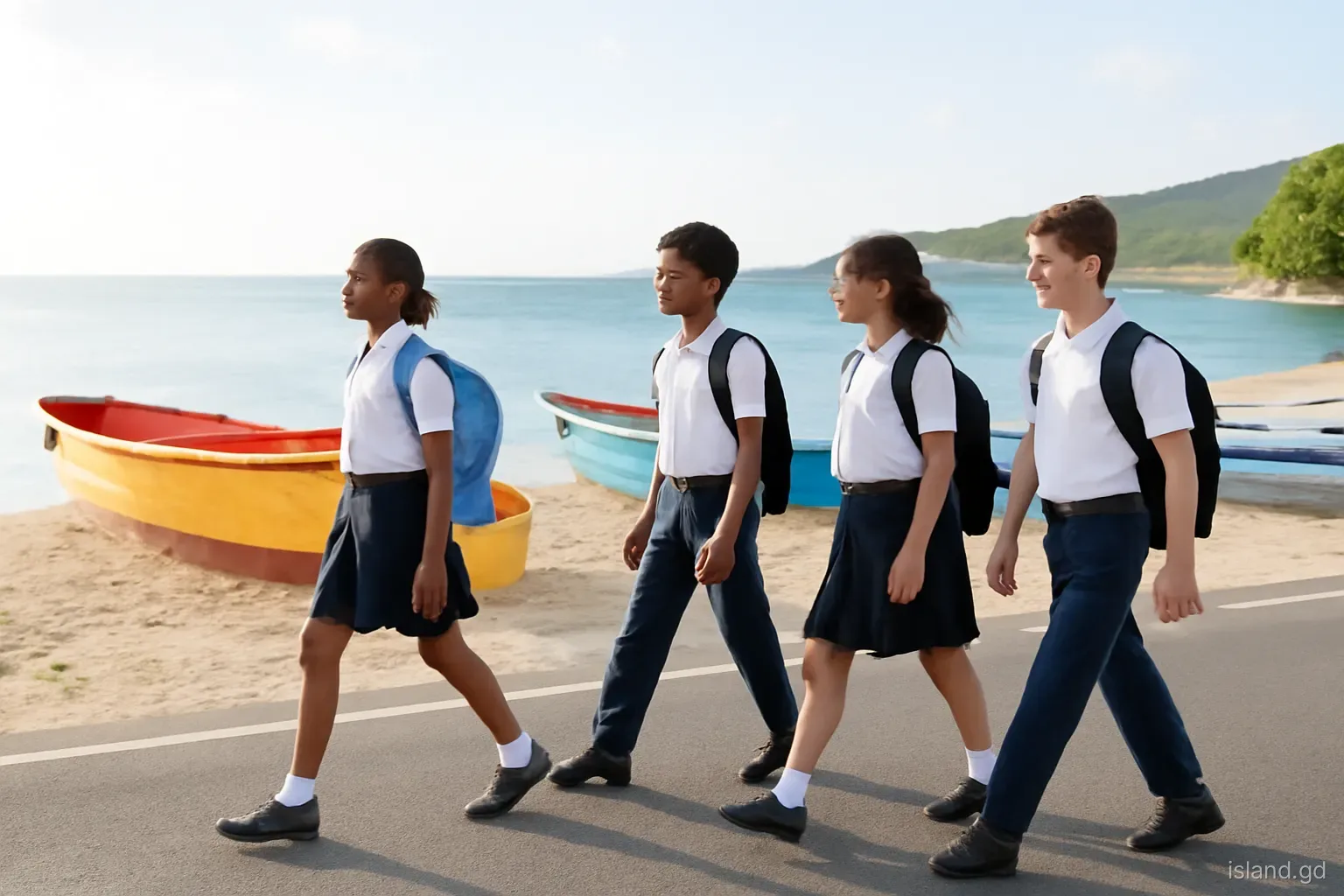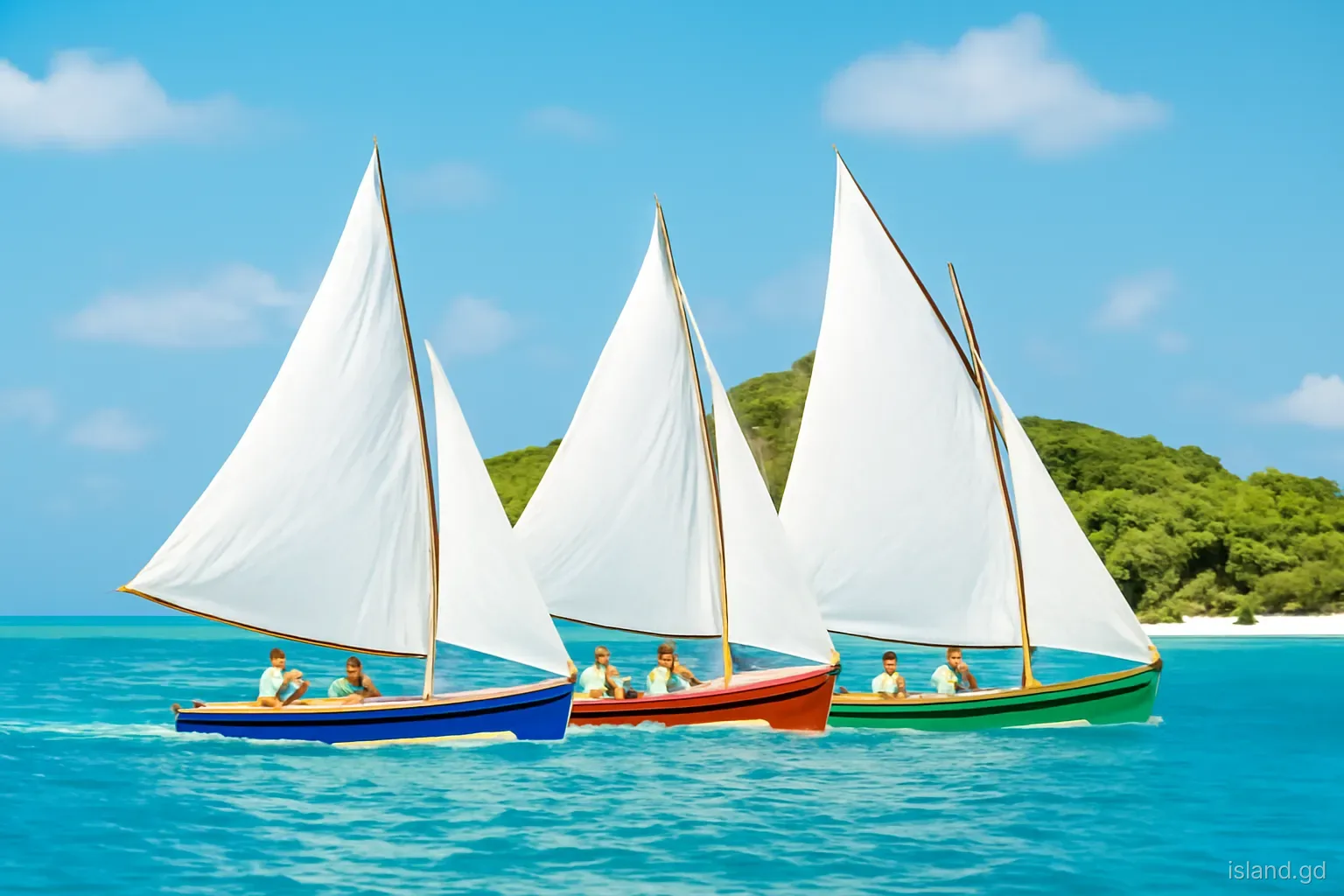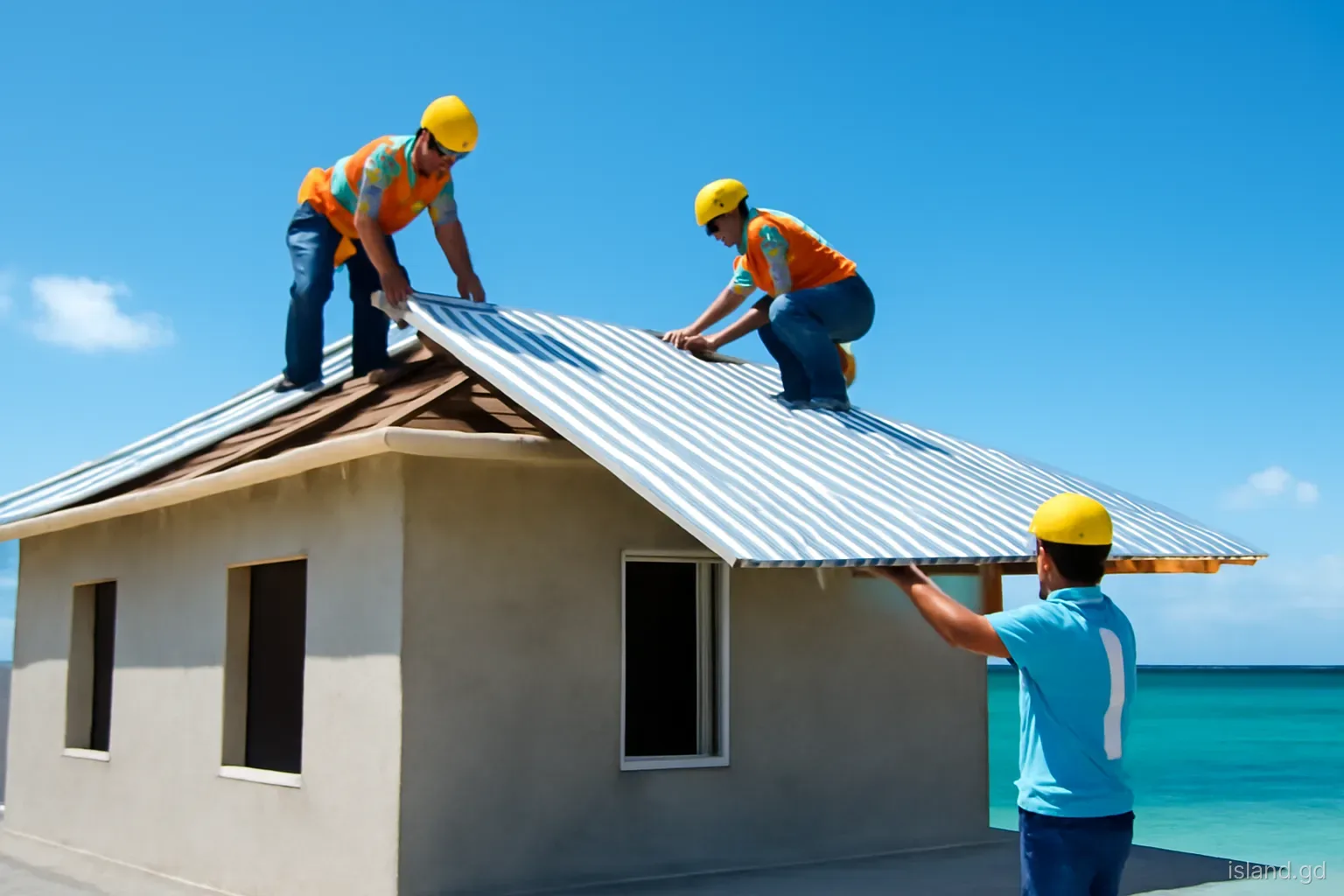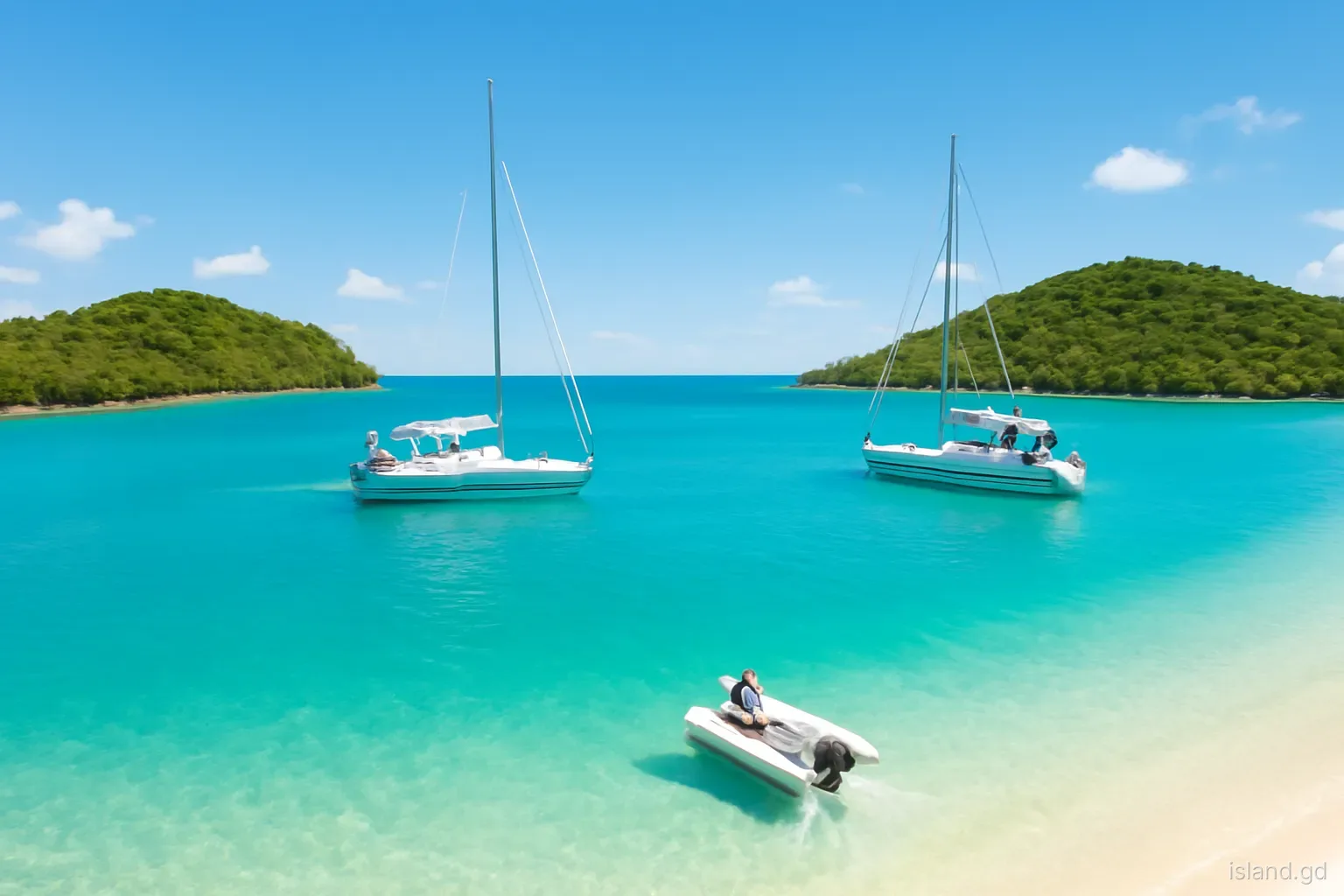
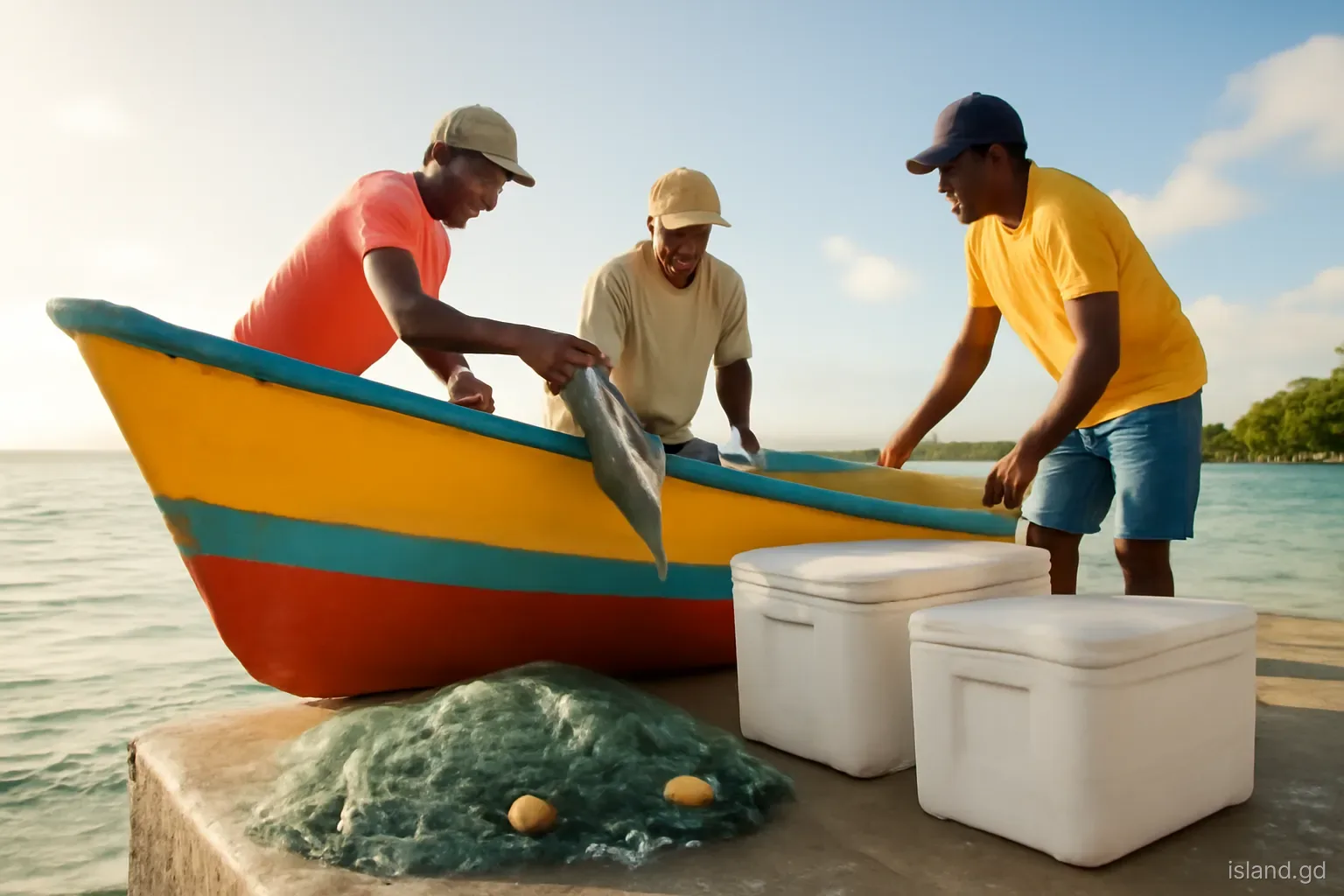
An island of about 590 acres, with thin soil, little rain and a steep hill in the middle, cannot feed itself from farming. Petite Martinique solved that problem the way the rest of the southern Grenadines did, only more thoroughly: it turned to the sea. For generations, the island's families earned their living by building boats, sailing them, fishing from them and trading with them.
That history explains a lot of what a visitor sees today: the sturdy houses, the boats on every beach, the number of families with relatives in New York, London, Toronto or Trinidad, and a strong sense of independence from the capital in St George's, a long sea journey away.
This is the story of how a very small island built a working economy, and what that economy looks like after Hurricane Beryl.
Why the sea, not the land
Petite Martinique's land has always been marginal for agriculture. The slopes of the Piton are steep and stony, the dry season is long, and there is no river to irrigate fields. Small plots of corn, peas and provisions, along with goats and sheep on the hillside, supplemented diets, but they could never support a growing population on their own.
The island's position, by contrast, was an asset. It sat on the sailing routes running north and south through the Grenadines, within easy reach of Carriacou, Union Island and the larger markets of Grenada, St Vincent and Trinidad. A family that could build or buy a boat could fish, carry goods and earn cash. Over time, seafaring became not just one job among many but the core of the island's identity.
The same pattern holds on Carriacou, especially around Windward, but Petite Martinique's tiny land area made the dependence even stronger. There was little to fall back on if the sea failed, which pushed families towards skill, enterprise and boats that would last.
The trading era
Wooden sloops and schooners. Locally built sailing vessels carried cargo between the islands well into the twentieth century: livestock, produce, timber, building materials and manufactured goods. Captains from Petite Martinique and Carriacou knew these waters intimately and could make a living where larger operators could not.
Regional markets. Trinidad, with its larger economy, was a key destination, as were Grenada and St Vincent. Goods moved in both directions, and the islands' traders became middlemen in a busy small-boat commerce.
Engines and steel. Over time, motor vessels and steel cargo boats replaced most sailing traders. Some Petite Martinique families moved into owning and operating these newer vessels, keeping the island's link with shipping even as the technology changed.
A reputation. Around the Grenadines, Petite Martinicans have long been known as shrewd, hard-working traders and capable seamen. That reputation is a point of pride, and stories of voyages and deals are part of local conversation and memory.
Fishing: the everyday living
While trading brought the big money for some, fishing provided the everyday living for many. Boats from Petite Martinique work the waters around the island, the reefs and banks of the southern Grenadines and the deeper water offshore. Methods have included hand lines, trolling for pelagic fish such as tuna, kingfish and dolphinfish (mahi-mahi), fish pots on the reefs and diving for lobster and lambi, the local name for queen conch.
The catch is sold locally, taken to Carriacou or shipped further afield, and the rhythm of fishing still shapes the island's day. Boats leave early, return by afternoon, and the jetty and beaches are busiest when they come in. As across Grenada, fishing is regulated by the Fisheries Division, including rules on minimum sizes and closed seasons for some species, which change from time to time.
Modern fishing relies on fibreglass pirogues and outboard engines rather than sail. Fuel costs, declining reef fish and storm damage are constant pressures. Hurricane Beryl destroyed or damaged many boats and engines in 2024, and replacing them has been central to the island's recovery.
Lambi deserves a special mention. The large pink-lipped shell is a familiar sight piled near landing places across the Grenadines, and the meat is a staple of island cooking, stewed, curried or in souse. Pressure on conch stocks is a concern throughout the Caribbean, which is why size limits and seasonal rules exist, and why buying only from fishers who respect them matters.
Sailors abroad and money sent home
Many Petite Martinique men went further than the Caribbean. Working as crew on foreign merchant ships and on vessels across the region was a well-trodden path, offering steady pay in hard currency. Others emigrated to the United States, Britain, Canada and Trinidad and found work ashore.
Money sent home from abroad, known as remittances, has been a pillar of the island's economy for decades. It paid for houses, boats, school fees and small businesses, and it helps explain why Petite Martinique's homes have often looked more substantial than the island's size might suggest. Returning migrants have brought back savings, skills and ideas, and many families keep a house on the island even while living elsewhere.
The diaspora also proved crucial after Hurricane Beryl. Relatives abroad organised fundraising, shipped barrels of supplies and building materials and helped families rebuild. For a small island, these overseas networks act as a safety net that official systems alone cannot match.
For a visitor, the evidence of this history is everywhere once you know to look for it: boats named after family members, houses built in stages as money arrived from overseas, and conversations that move easily between the island, Brooklyn and Port of Spain. Many families have members who spent decades at sea and returned to retire on the island they left as young men.
The economy now, and what it means for visitors
Petite Martinique's economy today blends the old and the new. The main elements, and how a visitor connects with them, are:
- Fishing remains a daily livelihood. Buying fish or lambi from local sellers, rather than bringing food from elsewhere, puts money straight into the community.
- Shops and small trading supply the island with food, hardware and household goods brought in by sea. Prices are higher than on the mainland because of transport costs, which is normal rather than opportunistic.
- Boat services, including water taxis and fuel for passing yachts, connect the island to Carriacou and to the sailing trade.
- Small-scale tourism is modest: a few guesthouses and rooms, visiting yachts and day-trippers from Carriacou. Check what is operating before you go, since several businesses were damaged in 2024.
- Public sector jobs in the school, health facility and other services provide steady employment for some residents.
- Remittances continue to support many households and fund rebuilding.
A distinct island identity
Petite Martinique's seafaring history has shaped how its people see themselves. Distance from St George's, the capital on Grenada's main island, meant that for much of history government services, roads and investment reached the island slowly, if at all. Residents learned to organise things themselves, from building houses to arranging transport, and that habit of self-reliance remains strong.
The island is part of the single parliamentary constituency of Carriacou and Petite Martinique, and government business for the sister islands runs largely through the ministry responsible for Carriacou and Petite Martinique affairs, based in Hillsborough. Petite Martinicans are often outspoken about the need for better services, from water and power to sea transport, and debates about the island's place within the wider state are a recurring part of local politics.
Visitors sometimes notice that people on PM speak of Carriacou and Grenada almost as separate places. That is not hostility, simply the outlook of a small island community that has long made its own way. Showing interest in the island's own story, rather than treating it as an extension of Carriacou, is usually appreciated.
Frequently asked questions
How do people on Petite Martinique earn a living?
Mainly through fishing, small shops and trading, boat services such as water taxis and fuel, some public sector jobs and modest tourism. Money sent by relatives abroad has also been an important source of income for generations and played a large part in rebuilding after Hurricane Beryl.
Why is Petite Martinique known for seafaring?
The island's land is too small, steep and dry to support much farming, but it sits on busy sailing routes. Families turned to building boats, trading between islands, fishing and working on ships, and that maritime way of life became central to the island's identity.
What fish are caught around Petite Martinique?
Fishers target pelagic species such as tuna, kingfish and dolphinfish, along with reef fish, lobster and lambi, the local name for queen conch. Some species have size limits or closed seasons set by Grenada's Fisheries Division, so local practice follows those rules.
Is it expensive to buy food on Petite Martinique?
Many goods cost more than on Grenada's main island because they have to be shipped in, often via Carriacou. Locally caught fish can be good value. Bring enough cash in Eastern Caribbean dollars, because banking and card facilities are limited.
How can visitors support the local economy?
Stay in locally owned accommodation where available, eat at local places, buy fish and goods from island sellers and use local water taxis. Book ahead and confirm services are running, since the island is still recovering from the 2024 hurricane.