
When someone dies in Grenada, the household does not go quiet. Neighbours arrive with food and chairs, hymns are sung late into the night, coffee and rum circulate, and for days the house becomes a meeting place. Weeks or months later there may be a memorial service. On Carriacou, and sometimes years later, the family completes its duty with a stone feast, when the headstone is placed on the grave with a Big Drum and a meal for the community.
These customs vary by island, village, denomination and family, and many have changed with funeral homes, emigration and mobile phones. The core remains strong: the dead are honoured, the bereaved are not left alone, and the community comes together. This guide explains the main stages and what is expected of a guest, particularly someone who is not Grenadian.
The wake
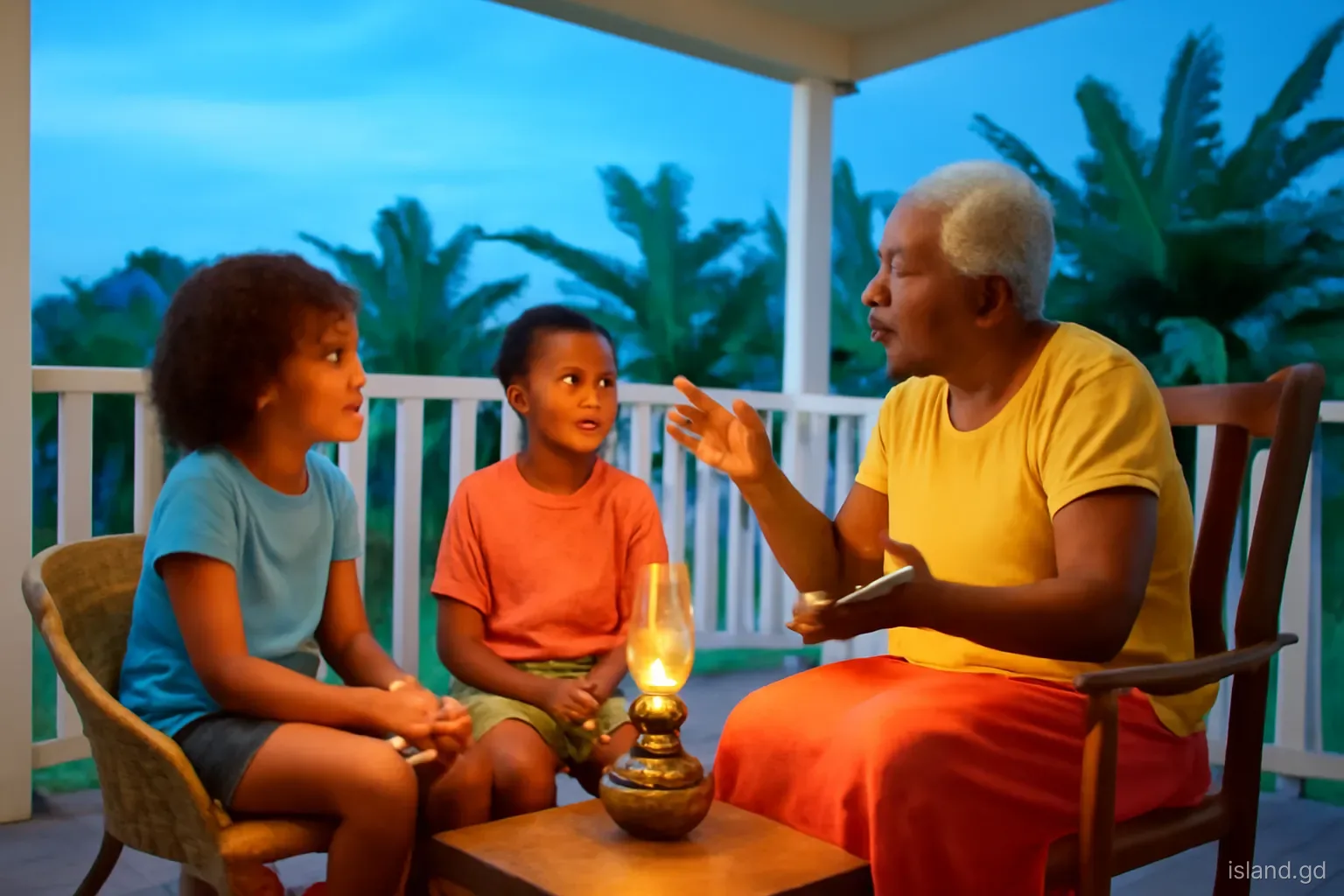
A wake is the gathering at the home of the deceased in the days between death and burial. Friends, relatives and neighbours come in the evenings to sit with the family, share memories and sing. In many villages the wake begins almost as soon as word spreads, and people bring food, drinks, chairs or simply their presence.
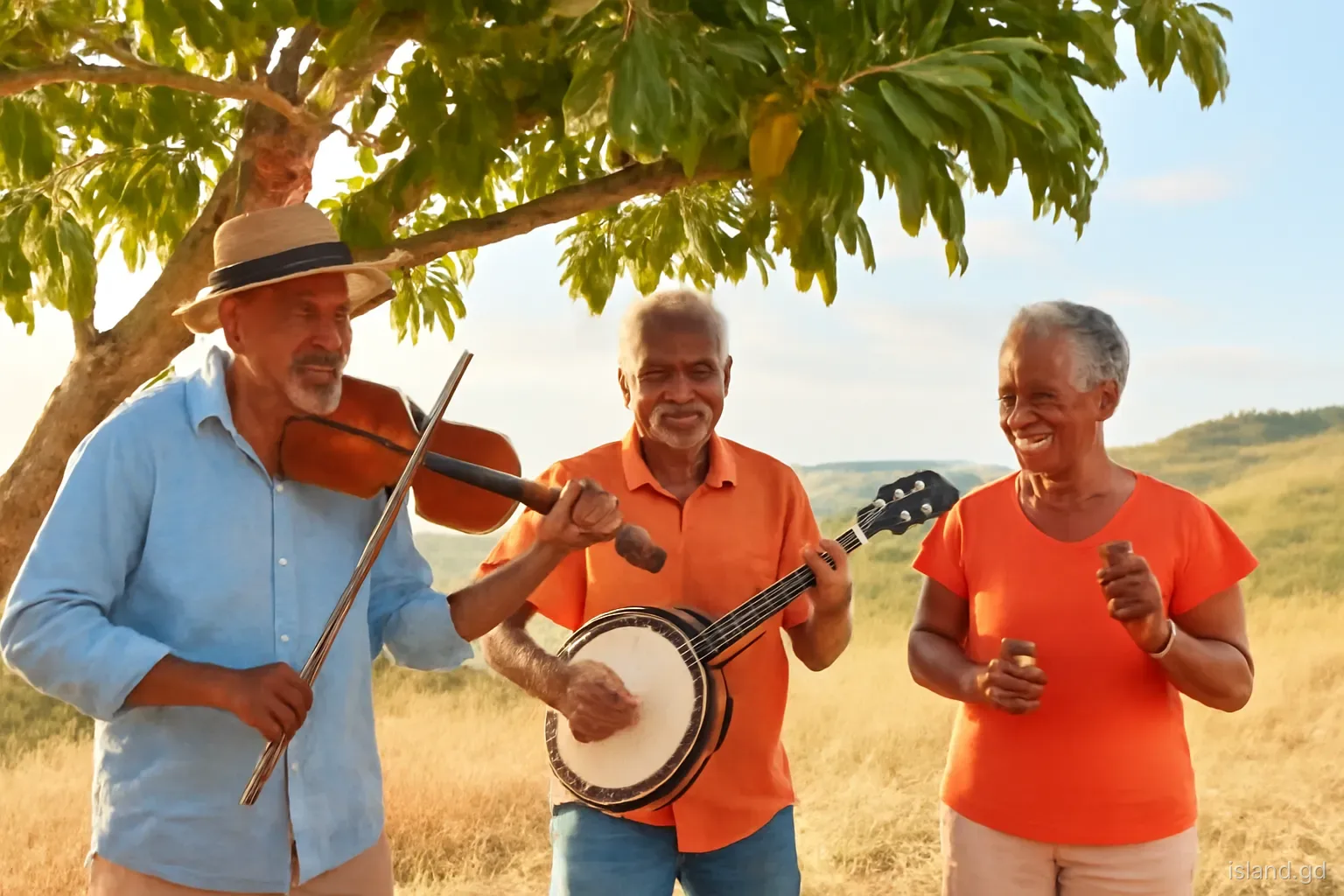
Singing is central. Hymns from collections such as the Sankey hymnal, traditional throughout the English-speaking Caribbean, are led by older women and men who know the words by heart. A leader may 'line out' a verse for the group to follow. As the night goes on, the mood can shift from solemn to sociable, with stories, jokes and dominoes. Laughter at a wake is not disrespect; it is part of supporting the family.
Food and drink are offered to visitors: coffee, tea, bread, crackers, sometimes soup, along with rum for those who want it. Families with roots in older traditions may take extra care with the room where the person died or lay, covering mirrors, rearranging furniture or keeping a light burning.
The nine night and the days after burial
Why nine nights. In many Caribbean traditions the spirit of the dead is thought to remain near home for a period after death. The ninth night is seen as the time it departs, and gatherings that evening help send it on peacefully.
What happens. Nine nights resemble a wake in form: singing, prayer, food and company, sometimes continuing until late. Some families mark every night between death and the ninth; others gather mainly on the ninth.
Changing the room. In some households the bed or furniture of the deceased is moved or turned on the ninth night, signalling that the spirit should not linger. Customs differ, and many younger families no longer follow them.
Funerals and burials. The funeral usually takes place in church, followed by burial in a village cemetery or family plot. Services can be long, full of hymns and tributes, and attended by large numbers. Many families now hold the funeral after relatives abroad have time to fly in.
Forty days and anniversaries. Some families, especially in Catholic communities, hold a mass or prayers at forty days or at the first anniversary of death. These quieter observances keep the memory present until the next major step.
The stone feast in Carriacou
On Carriacou the cycle of mourning is considered complete only when the tombstone is erected, and that act has its own feast. The stone feast, also called the tombstone feast, can take place months or many years after the burial, depending on the family's finances, the availability of relatives and sometimes the wishes expressed by the dead in dreams.
Traditionally the headstone is brought to the family home first. On the night before the setting, it may be dressed in cloth and kept inside, and a Big Drum is held in the yard, opening with the Cromanti to call the ancestors. Food is cooked in quantity, a plate is set aside for the dead, and the community eats, drinks and dances. The feast is joyful as well as solemn: it celebrates a life and the completion of a duty.
The next day the stone is carried to the cemetery, often accompanied by family, friends and drummers, and set in place with prayers. Once it is placed, many islanders say the deceased can finally rest and take their place among the ancestors.
Behaving well as a guest
Visitors living in Grenada, partners of Grenadians and long-staying guests are often invited to wakes and funerals. A few points help:
- Go. Attending a wake, even briefly, is one of the most valued gestures you can make. You do not need to know the deceased well; supporting the family is the point.
- Bring something modest: bread, a cake, a case of soft drinks or a bottle of rum. Cash contributions toward funeral costs are also common and can be given discreetly to a close relative.
- Dress modestly. For funerals, darker colours or white are typical; some families ask guests to wear a particular colour. At a wake, neat everyday clothes are fine.
- Join the singing if you can, or sit quietly if you do not know the hymns. Nobody expects visitors to know every verse.
- Accept food and drink when offered, even a small amount. Refusing everything can seem cold.
- Ask before taking photos at any stage. At a stone feast, treat the Big Drum and the dressing of the stone as sacred moments.
How news travels and what to say
In Grenada, news of a death still spreads partly through radio. Death announcements on local stations, read with details of the family, the funeral time and the church, are a long-established habit and are followed closely, especially by older listeners and by relatives overseas who stream them. Social media and family messaging groups now carry the same information within minutes.
Visiting the family's home in the days before the funeral is normal and expected from neighbours, colleagues and friends. A simple expression of sympathy is enough: saying you are sorry for their loss, sharing a short memory of the person, or asking whether anything is needed. Practical help such as lending chairs, driving relatives from the airport or helping cook is often more valued than words.
After the funeral, the family may thank everyone at a repast, a meal served at the home or a hall. Staying for it, even briefly, completes the gesture of support.
Differences between the islands and denominations
On mainland Grenada, wakes and nine nights are widespread but vary between communities. Rural parishes such as St Patrick, St Andrew and St John tend to keep longer traditions of singing and gathering, while urban families around St George's may hold shorter wakes and rely more on funeral homes. Roman Catholic, Anglican, Methodist, Pentecostal, Seventh-day Adventist and other churches bring their own expectations about ritual and drinking.
Carriacou and Petite Martinique preserve more of the ancestor-centred elements, especially the stone feast with Big Drum. Petite Martinique has its own maritime and family customs, and in a very small population almost every death touches every household.
Across all three islands, emigration has reshaped timing. Funerals are frequently delayed so relatives can arrive from North America, the United Kingdom or Trinidad, and services are increasingly streamed online for those who cannot travel. Some traditions that relied on long nights of singing have shortened as a result, while family reunions around funerals have become even more important.
What newcomers often misread
Noise and laughter. Loud conversation, laughter and games at a wake do not mean people are not grieving. Keeping company and lifting the mood are acts of support.
Drinking. Rum at a wake is traditional, but it is not compulsory, and some religious families do not serve alcohol at all. Follow the household's lead.
Long timelines. A stone feast years after a death is normal on Carriacou. It reflects saving up, organising and waiting for relatives, not neglect.
Practices that look superstitious. Covered mirrors, moved beds or a plate for the dead are expressions of respect and continuity. Asking politely about them is fine; making jokes is not.
Who pays. Funerals are expensive, and extended families and communities often share costs. Contributions are part of the custom rather than charity.
Frequently asked questions
What is a nine night in Grenada?
A nine night is a gathering held on the ninth night after a death, sometimes after a series of nightly wakes. Family and community sing hymns, pray, eat and share memories. It is traditionally linked to the belief that the spirit leaves the home around that time and should be sent off peacefully.
What is a stone feast in Carriacou?
A stone feast is the ceremony held when a headstone is placed on a grave, often long after the burial. It typically includes a Big Drum, food for the community and a plate for the ancestors, followed by carrying the stone to the cemetery. It marks the completion of mourning duties.
Should a foreigner attend a Grenadian wake?
Yes, if you know the family or were close to the person. Wakes are open gatherings and your presence is a sign of respect. Bring a small contribution of food or drink, dress modestly, accept what is offered and follow the family's lead on singing and conversation.
What hymns are sung at Grenadian wakes?
Many families sing from traditional collections such as the Sankey hymnal, along with well-known Anglican, Methodist and Catholic hymns. Older members often lead and may line out verses. Choices vary by denomination, and some families include gospel songs or local favourites.
Why are funerals in Grenada sometimes delayed?
Families often wait so relatives can travel from abroad, especially from the United States, Canada, the United Kingdom and Trinidad. Arranging church services, burial plots and funeral home availability also affects timing. A delay of a week or two is common and not a sign of neglect.
Is the Big Drum played at funerals?
On Carriacou, the Big Drum is traditionally associated with the stone feast rather than the funeral itself. Funerals usually follow church custom with hymns and tributes. Some families honour the deceased with drumming at other memorial events, but practice varies.