Carriacou changes noticeably through the year. Its dry hills turn brown and then green again, the sea shifts from breezy to glassy, and the island's calendar of festivals brings bursts of activity to otherwise quiet months. Knowing that rhythm helps visitors choose the right time to come and helps newcomers understand when the island is busiest, when supplies run short and when storms threaten.
This guide follows Carriacou's year, combining the seasons with the main cultural events: the pre-Lenten Carnival with its Shakespeare Mas, the Maroon and String Band Music Festival, the August Regatta and the December Parang Festival. Dates move from year to year, and Hurricane Beryl in July 2024 disrupted the calendar, so always confirm current dates with organisers or the tourism authority before booking.
January to March: dry days and Carnival
The dry season settles in early in the year. Rain becomes infrequent, the trade winds blow steadily and the island's hills gradually turn from green to brown. Days are sunny and breezy, and the sea on the west coast is usually calm, though the windward side stays lively.
This is the busiest period for yachts and winter visitors from North America and Europe, so anchorages at Tyrrel Bay and Hillsborough can be full, and guesthouses may book up.
Carriacou keeps its Carnival in the traditional pre-Lenten period, in February or March depending on the date of Easter, unlike the main island, which moved its Carnival, Spicemas, to August. Carriacou's Carnival includes Shakespeare Mas, a distinctive tradition in which masqueraders from different villages meet and contest each other by reciting speeches from Shakespeare's plays, especially Julius Caesar, with forfeits for mistakes. Other mas bands, calypso and street parties fill the days before Ash Wednesday.
April to May: the Maroon festival and the driest weeks
By April the dry season is at its height. Water is at its scarcest, hillsides are bare, and the heat builds in the afternoons. Households watch their tanks closely, and visitors should be especially careful with water use.
Late April is the traditional time for the Carriacou Maroon and String Band Music Festival, which celebrates the island's African heritage and its string band music. Maroon refers to community gatherings with food, drumming and dancing, rooted in traditions of thanksgiving and ancestral connection, and the festival brings together Big Drum performances, string bands, local food and cultural events.
May is often still dry, but by the end of the month clouds may begin to build, and the first rains of the wet season can arrive. Farmers prepare plots for planting in anticipation, as rain-fed crops such as corn and pigeon peas depend on the timing of the rains.
June to July: the rains begin and hurricane season opens
The wet season usually starts in June. Showers become more frequent, sometimes heavy, and the island turns green remarkably quickly. Planting begins in earnest, and fresh vegetation returns to the hills.
Hurricane season officially runs from 1 June to 30 November. Carriacou lies further south than many Caribbean islands, but it is not immune, as Hurricane Beryl showed when it struck on 1 July 2024 as a Category 4 storm, causing devastation across the island and Petite Martinique.
For visitors, early wet season travel can still be pleasant, with sunny breaks between showers and fewer crowds. But it is important to have flexible plans, travel insurance and an eye on forecasts, and to follow official guidance from the National Disaster Management Agency and local authorities if a storm approaches.
August: Regatta season
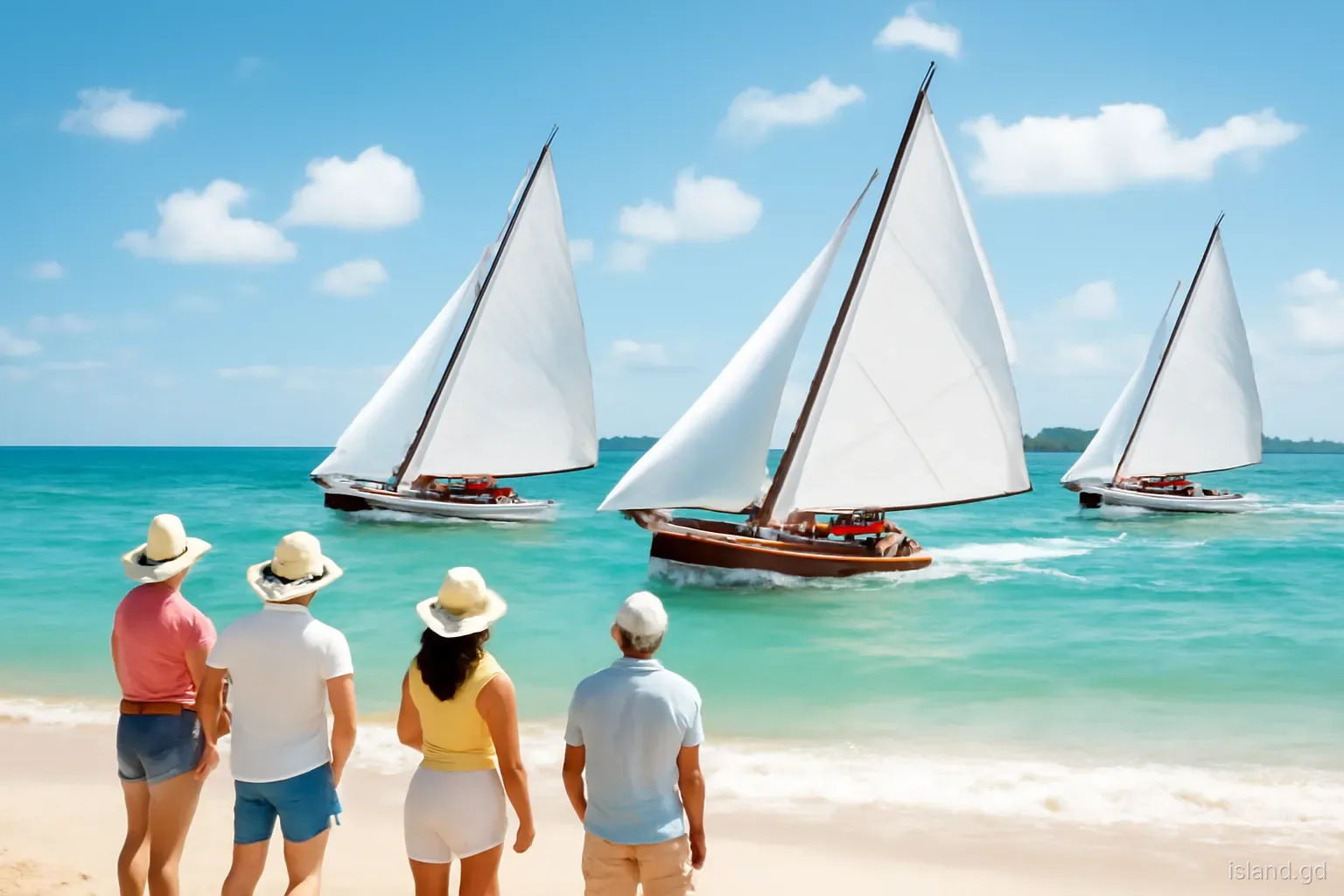
August is Carriacou's peak festival month. The Carriacou Regatta Festival, traditionally held around the start of August and associated with the Emancipation holiday, is one of the island's longest-running events. It features races for local wooden sloops and other boats, alongside shore-based activities such as music, food, games and cultural shows.
The Regatta is a source of pride, especially for boatbuilders and sailors from Windward and other villages. It also draws visitors from the main island, the diaspora and neighbouring islands, so ferries, flights and accommodation can be busy around these dates.
Because the Regatta falls within hurricane season, weather can affect plans, and recovery from Beryl has influenced how events have been organised since 2024. Confirm dates, programmes and arrangements with organisers before travelling, and book early if you do decide to come.
September to November: the wettest and quietest months
September to November is usually the wettest period, with heavy showers, thunderstorms and occasional prolonged rain. The island is at its greenest, but humidity is high, mosquitoes are more active and roads can be affected by runoff.
This is also the quietest time for tourism. Some guesthouses and businesses may close for maintenance or holidays, and services can be limited. For visitors who prefer solitude and lower prices, it can be appealing, but flexibility is essential.
Hurricane risk peaks in these months, so residents keep a close eye on forecasts and prepare homes and boats. Visitors should consider travel insurance carefully and be ready to change plans if storms threaten.
The sea in these months is often calm and very warm, with light winds and long glassy spells on the west coast, broken by squalls when tropical waves pass. Divers and snorkellers can find excellent visibility on settled days, though runoff after heavy rain clouds the water near shore for a while.
December: Parang and the return of the dry season
As the rains ease in December, the island prepares for Christmas, and Carriacou's Parang Festival is one of the highlights. Parang on Carriacou is a tradition of string band music and seasonal songs, with groups traditionally moving from house to house during the Christmas season, singing in exchange for food and drink. The festival, held in December, brings groups together to perform and compete, often with humorous and topical lyrics.
Christmas itself is a family time, with many emigrants returning home, churches holding special services and homes filled with traditional foods such as ham, black cake and sorrel drink.
By the end of December, the trade winds strengthen, the air feels a little cooler in the evenings and the dry season begins again, bringing the year full circle.
Choosing your time to visit
For calm weather and sunshine. January to April offers the most reliable dry, sunny conditions, though water is scarcer and the landscape browner later in the season.
For culture. Carnival (February or March), the Maroon festival (late April), the Regatta (around the start of August) and Parang (December) each show a different side of Carriacou.
For quiet and lower prices. The wet season, especially September to November, is quietest, but expect rain, limited services and hurricane risk.
For sailing. The dry season brings steady trade winds; the wet season brings lighter, more variable winds and storm risk.
For newcomers. Spend time on the island in both seasons before committing to a long stay or purchase, to understand water, weather and community life.
Pitfalls when planning around the calendar
Several mistakes come up again and again.
- Arriving without cash on a public holiday. Banks close on holidays and festival days, and the few cash machines in Hillsborough can run low when the island is busy.
- Assuming fixed dates. Carnival depends on Easter, and festival dates can shift or be cancelled. Confirm before booking.
- Booking late for festivals. Accommodation, ferries and flights fill quickly around Regatta and other major events.
- Ignoring hurricane season. Travel between June and November requires insurance, flexibility and attention to forecasts.
- Expecting post-Beryl normality. Some venues and services are still recovering. Check current conditions.
- Underestimating dry-season water limits. Short showers and careful use are expected, especially from March to May.
- Missing the small events. Boat launchings, memorials and village fundraisers happen year-round and can be as memorable as the big festivals, if you are invited.
Frequently asked questions
When is the best time to visit Carriacou?
For dry, sunny weather, January to April is usually best. For culture, time a visit around Carnival in February or March, the Maroon festival in late April, the Regatta around the start of August or the Parang Festival in December. Always confirm dates first.
When is Carriacou Carnival?
Carriacou holds its Carnival in the traditional pre-Lenten period, in February or March depending on Easter, unlike the main island's August Spicemas. It includes Shakespeare Mas, in which masqueraders contest each other with speeches from Shakespeare, along with mas bands and calypso.
What is the Carriacou Maroon festival?
The Carriacou Maroon and String Band Music Festival, traditionally held in late April, celebrates the island's African heritage and music. It features Big Drum performances, string bands, traditional food and cultural events rooted in maroon thanksgiving gatherings.
When is the Carriacou Regatta?
The Carriacou Regatta Festival is traditionally held around the start of August, linked to the Emancipation holiday. It features sloop races and shore-based events. Dates and programmes can change, especially after Hurricane Beryl, so check with organisers before planning travel.
Does Carriacou get hurricanes?
Yes. Although Carriacou lies further south than many Caribbean islands, it can be hit by hurricanes, as Beryl showed in July 2024. The hurricane season runs from June to November, with the highest risk usually from August to October.