Carriacou is part of Grenada, uses the same currency, flag and government, and lies only a short ferry or flight from St George's. Yet arriving there feels like reaching a different country. The landscape is dry and open rather than mountainous and green, the pace is slower, the culture has its own distinct traditions, and daily practicalities, from water to shopping, work differently.
Many travellers are unsure whether to base themselves on the main island, on Carriacou or to split their time. People thinking of living or investing in Grenada face a similar question. The answer depends on what you value: variety, services and nature on a grand scale, or quiet, community and a strong sense of island life.
This comparison sets the two islands side by side.
Size, shape and landscape
The main island is many times larger than Carriacou and far more rugged. Its volcanic spine rises to around 840 metres at Mount St Catherine, its interior is covered in rainforest, and dozens of rivers and waterfalls run off its slopes. Its coast ranges from calm Caribbean bays to surf-pounded Atlantic beaches.
Carriacou, by contrast, covers about 34 square kilometres. Its highest point, High North, reaches around 290 metres, and its hills are covered in dry forest and scrub. There are no permanent rivers. The island is ringed by reefs, with calm bays on the west coast, offshore islets such as Sandy Island and White Island, and reef-sheltered lagoons on the east.
In practical terms, the main island offers hiking in rainforest, waterfalls, crater lakes and a wide variety of beaches. Carriacou offers easy-going walks, island views, quiet beaches and some of the clearest water in the state, especially around its islets and reefs.
Pace of life and atmosphere
The main island, especially the south-west around St George's and Grand Anse, is busy by Caribbean standards: traffic, shopping centres, hotels, restaurants, nightlife and a large student population. Rural areas are much quieter, but the island as a whole has the energy of a small nation's centre.
Carriacou is calmer. There is less traffic, fewer large businesses and a slower rhythm built around the sea, the ferry schedule and community events. Evenings are quiet, and many visitors describe the island as relaxing or old-fashioned in a positive sense.
That slower pace has trade-offs. Choice is limited, services can be stretched and things often take longer. For some, that is exactly the appeal; for others, it becomes frustrating after a while. Visiting both islands on one trip is a good way to see which suits you.
Culture and traditions
Big Drum. Carriacou's Big Drum dance, with songs and dances linked to particular African nations, is one of the most distinctive traditions in the Caribbean. It is performed at boat launchings, memorials, festivals and ceremonies. On the main island it is far less prominent.
Saraka and ancestral ceremonies. Saraka feasts, with food shared among the community and offered to the ancestors, remain important in Carriacou life, marking events such as launchings and memorials.
Carnival and mas. Carriacou keeps a traditional pre-Lenten Carnival with forms such as Shakespeare Mas, in which masqueraders recite and contest speeches. The main island's Carnival, Spicemas, takes place in August and is far larger.
Boatbuilding. Wooden boatbuilding by eye, especially at Windward, is a Carriacou tradition linked to the island's seafaring past.
Language and identity. Accents and expressions differ, and many Carriacouans have a strong island identity, sometimes calling their home Kayak.
Beaches and the sea
Both islands have fine beaches, but their character differs. On the main island, Grand Anse and the south-west beaches are well developed, with hotels, restaurants and water sports, while the east and north offer wilder, often rougher Atlantic beaches. Several beaches have dark volcanic sand.
Carriacou's beaches tend to be quieter and smaller, with pale sand and calm, clear water, especially on the west side. Paradise Beach at L'Esterre and the offshore islets such as Sandy Island are highlights. There are few large hotels, and many beaches have little or no development, which also means fewer facilities.
For snorkelling and diving, both islands have good sites, with the main island known for the underwater sculpture park and wrecks, and Carriacou for its reefs and islets. Marine protected areas exist around both, with rules and fees that should be checked before diving or anchoring.
Food, farming and the table
The two islands eat from the same Grenadian tradition, but what grows locally differs. The main island's wet interior produces nutmeg, cocoa, bananas, breadfruit, ground provisions and a wide range of fruit, and its markets in St George's, Grenville and Gouyave are full of them. Oil down, the national dish, depends on breadfruit and callaloo that thrive in that climate.
Carriacou's drier land favours hardier crops. Pigeon peas and corn are traditional rain-season staples, and goats and sheep are raised across the island. Fish, conch and lobster from the surrounding reefs are central to the diet, and dishes based on peas, corn, fish and goat appear at saraka feasts and family gatherings.
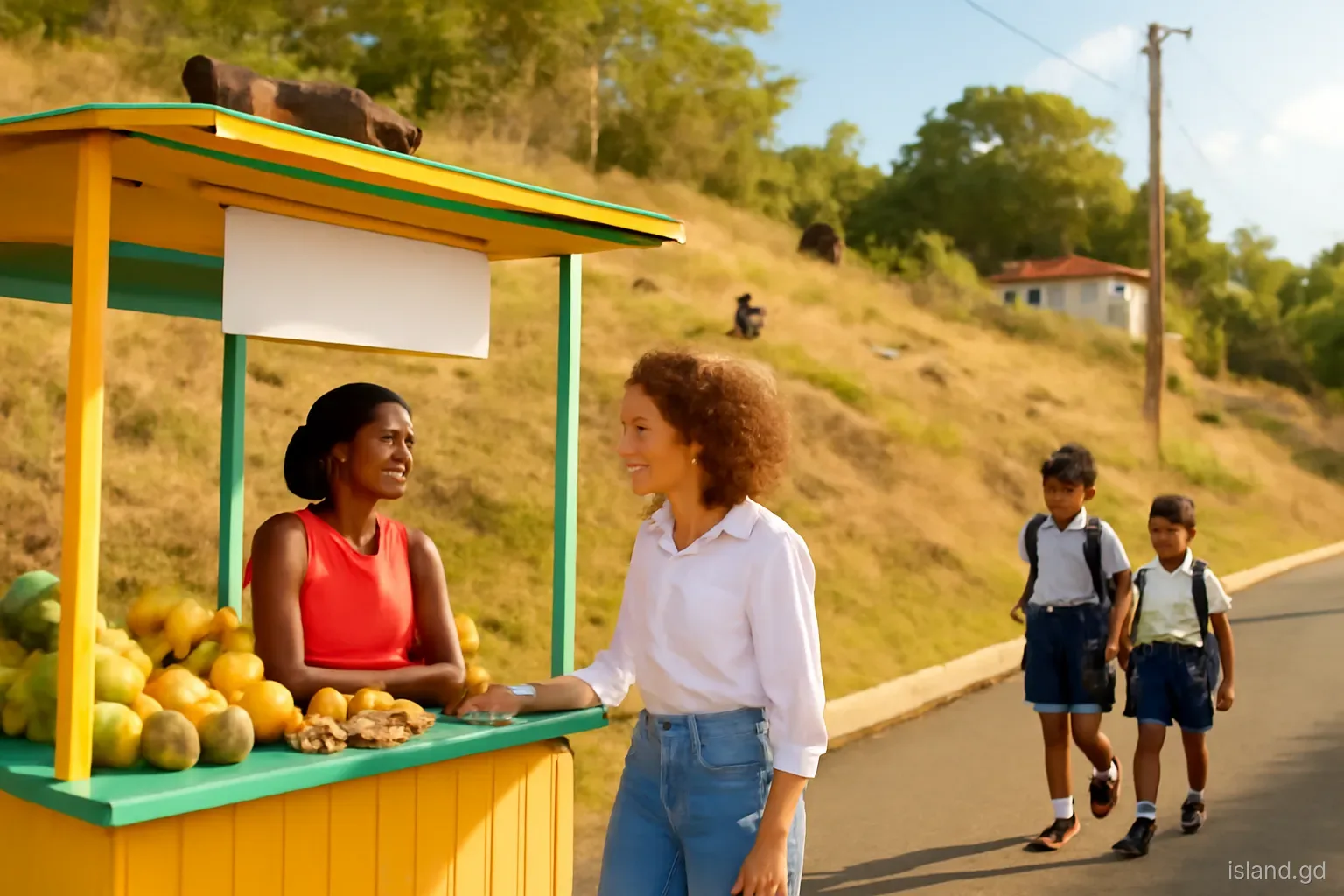
For visitors, the difference shows in restaurant menus and market stalls. The main island offers more choice and more fresh produce from its own farms; Carriacou offers simpler food, very fresh seafood and dishes tied to its ceremonies, with some ingredients shipped in from the main island.
Practicalities: services, costs and access
The main island has a far wider range of services: the General Hospital in St George's and private clinics, larger supermarkets, shopping centres, more banks, more schools and the international airport. Carriacou has a hospital at Belair, smaller supermarkets and shops in Hillsborough, a few banks and cash machines, and a small airport for regional flights.
Because nearly everything on Carriacou arrives by boat, prices for many imported goods can be higher than on the main island, and shortages occasionally occur. Water is scarcer, relying heavily on rainwater and desalination, and power and connectivity can be disrupted by storms.
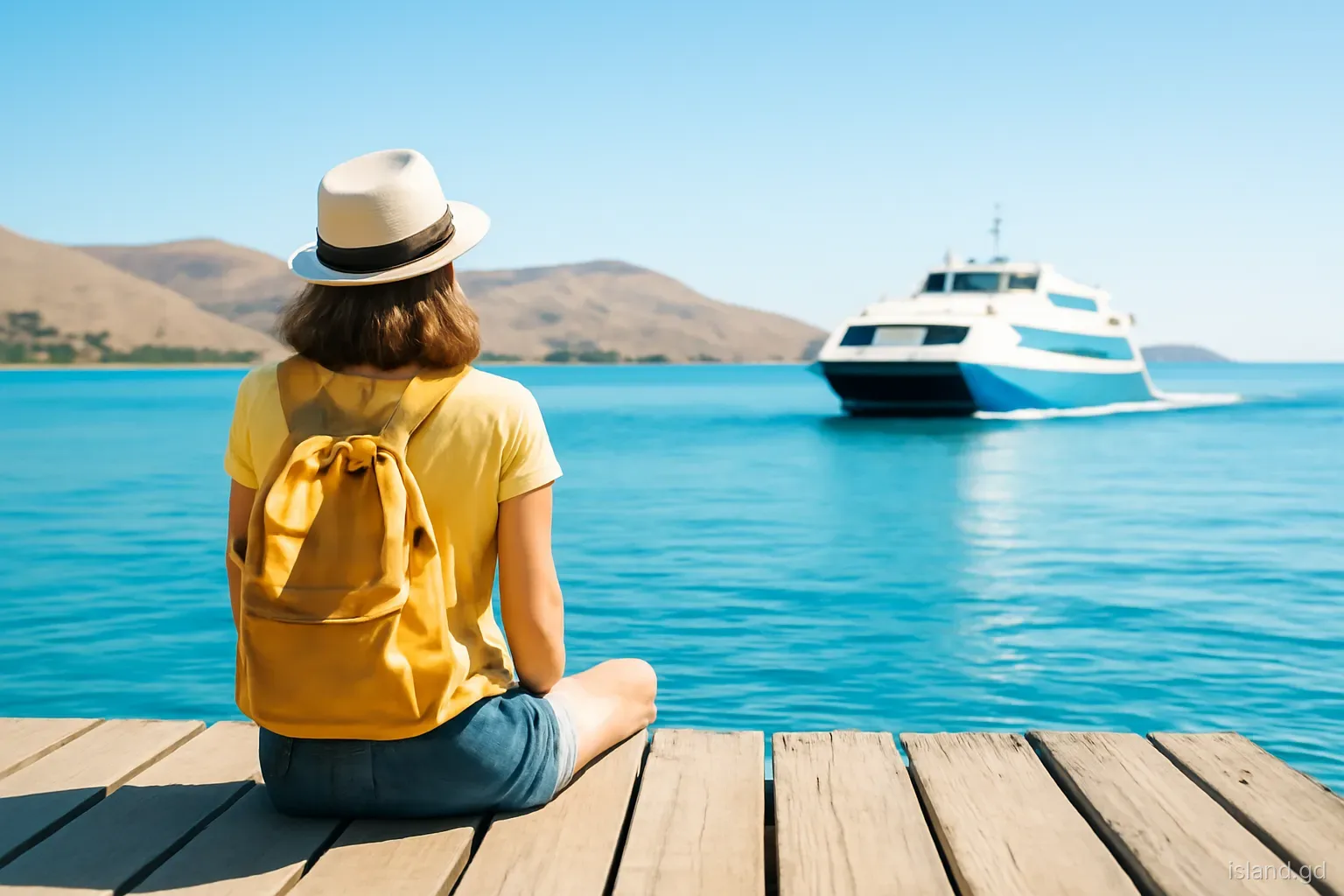
Access is another difference. The main island has direct international flights, while Carriacou is reached by ferry or small plane from the main island. Travel times are short, but ferry schedules, weather and flight availability need to be planned around, especially in peak seasons or after storms.
Hurricane Beryl and recovery
In July 2024, Hurricane Beryl hit Carriacou and Petite Martinique directly as a powerful Category 4 storm, causing severe damage to homes, infrastructure, vegetation and businesses. The main island was affected too, particularly in the north, but far less severely.
As a result, conditions on Carriacou have been changing as rebuilding continues. Some guesthouses, restaurants and attractions have reopened, others are still recovering, and the landscape has been altered, with many trees damaged or lost. Information from before mid-2024 may be outdated.
For visitors, this means checking current conditions and confirming bookings directly. Spending money in local businesses supports recovery, and patience and understanding are appreciated in communities still rebuilding. The main island generally offers more consistent services in the meantime.
Choosing between them, or combining both
Many visitors find that the two islands complement each other. These questions help decide.
- Do you want rainforest, waterfalls and hiking? The main island is the clear choice.
- Do you want quiet beaches and slow days? Carriacou suits that well, though the main island has quiet corners too.
- Do you need reliable services or medical access? The main island offers more options and easier international connections.
- Are you interested in living culture and traditions? Carriacou's Big Drum, saraka and boat launchings offer something distinctive.
- Do you have limited time? A few days on Carriacou, added to a stay on the main island, gives a taste of both without rushing.
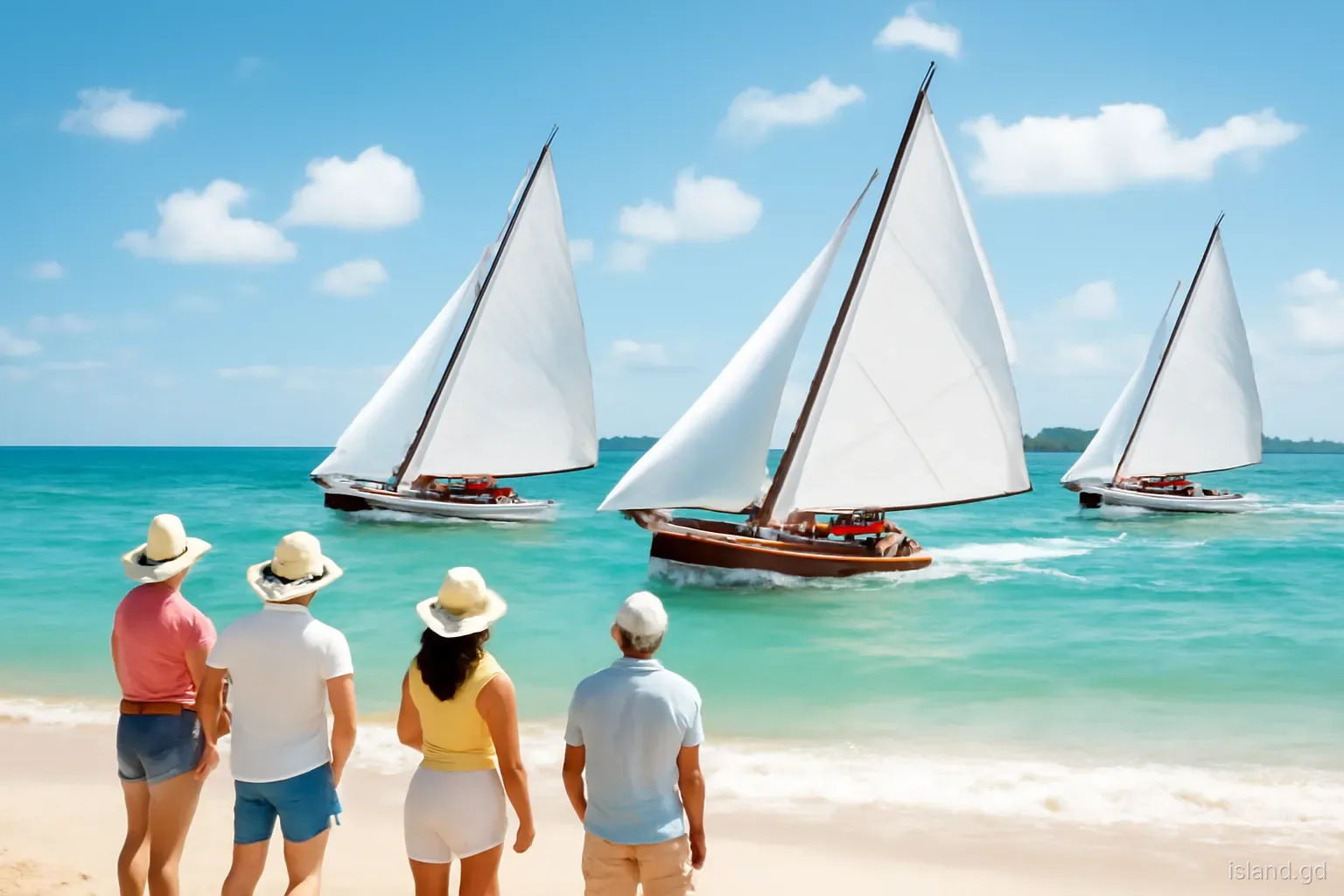
- Are you sailing? Both islands have anchorages; Carriacou also makes a natural gateway to the St Vincent Grenadines to the north.
- Thinking of moving? Spend time on both, in different seasons, before deciding. Life on Carriacou is quieter and closer-knit, but it also means more self-reliance.
Frequently asked questions
Is Carriacou part of Grenada?
Yes. Carriacou and Petite Martinique are part of the state of Grenada, along with the main island. They share the same government, currency, flag and laws, although the Ministry of Carriacou and Petite Martinique Affairs handles many local matters for the sister isles.
Is Carriacou worth visiting from Grenada?
Yes. Carriacou offers quiet beaches, clear water, offshore islets, boatbuilding traditions and a distinctive culture. It is reached by ferry or small plane from the main island. Check current conditions after Hurricane Beryl and allow at least a couple of nights.
How long does it take to get from Grenada to Carriacou?
The ferry crossing from St George's typically takes roughly 90 minutes to two hours, depending on the vessel, stops and sea conditions, while flights from the main island's airport take around twenty minutes. Schedules change, so confirm with operators before travelling.
Is Carriacou cheaper than Grenada?
Not usually. Because most goods arrive by boat, many imported items cost more on Carriacou than on the main island. Local fish and produce can be good value, and accommodation may be cheaper in some cases, but overall living costs are often similar or higher.
Which island has better beaches, Carriacou or Grenada?
It depends on taste. Grand Anse and the main island's south-west beaches are lively and well served, while Carriacou's beaches and islets are quieter, with pale sand and calm, clear water. Many visitors enjoy both for different reasons.