Carriacouans often call their island Kayak, and themselves Kayakers, a nickname that carries a sense of belonging. Daily life here is quieter and slower than on Grenada's main island, but it is not the frozen idyll some visitors imagine. It runs on boats, rainwater, close family ties, migration and a strong sense of community, and it has been tested repeatedly by storms, most recently by Hurricane Beryl in July 2024.
For anyone thinking of spending a long stretch on Carriacou, or simply wanting to understand the place beyond the beach, the details matter: where the water comes from, how goods arrive, what happens when someone gets sick, how children go to school and why so many homes stand empty for part of the year.
This article sets out how everyday life on Kayak actually works.
A small island with deep roots
Carriacou is home to a few thousand people, spread across villages such as Hillsborough, L'Esterre, Harvey Vale, Windward, Bogles and others. Most families have lived on the island for generations, and many trace their ancestry to particular African nations, a heritage expressed through the Big Drum tradition and ancestral ceremonies.
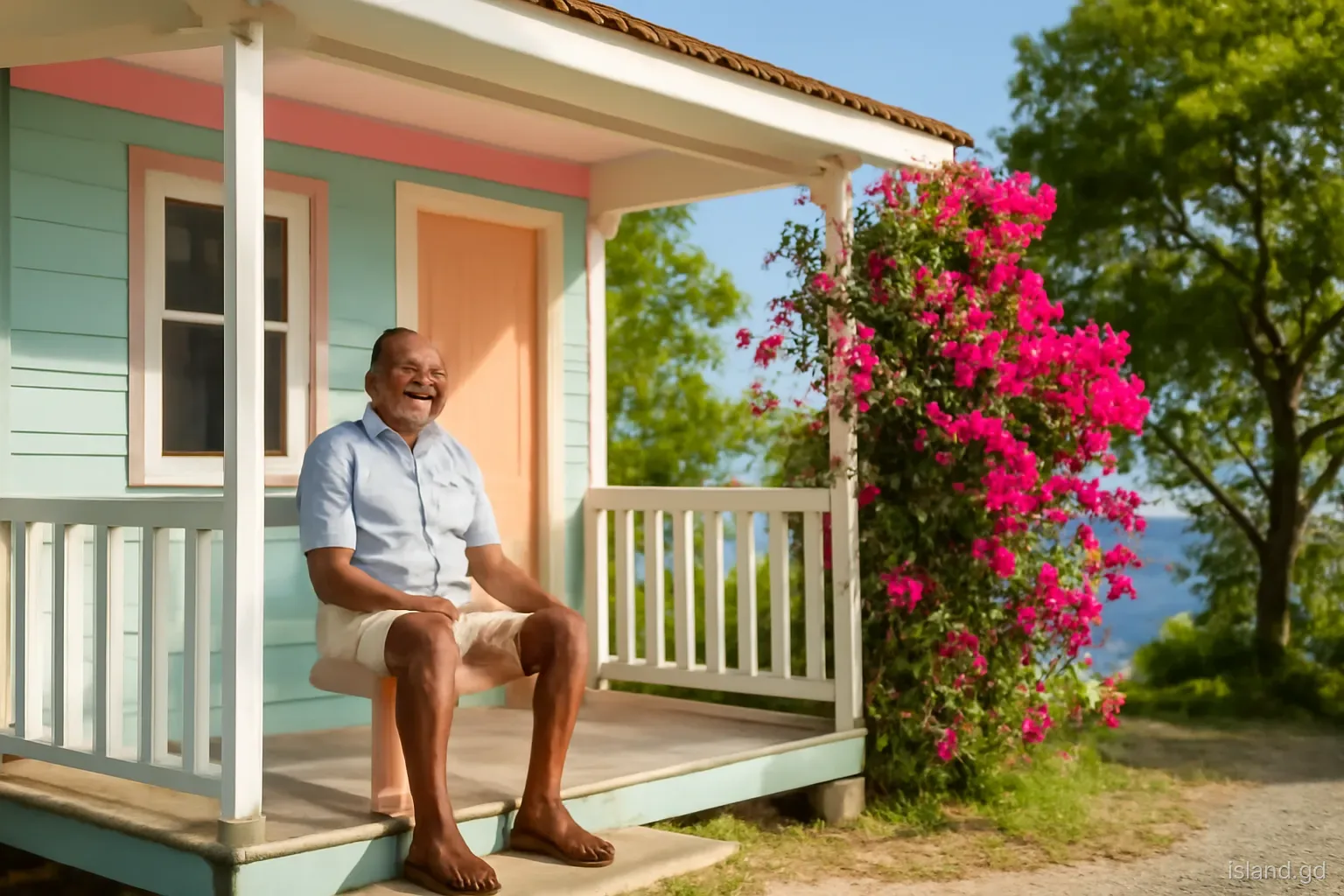
Community life is close and visible. People know each other, greet each other on the road and turn out for funerals, weddings, boat launchings and fundraisers. News travels fast, and privacy is limited. For newcomers, this can feel welcoming or intense, often both.
Migration has shaped the island deeply. Large numbers of Carriacouans live abroad, in Trinidad, Britain, the United States, Canada and elsewhere, and money sent home has helped build houses, support families and fund community projects. Many emigrants return for festivals, holidays or retirement, so the population swells at certain times of year.
Water: every drop counts
With no rivers and limited rainfall, water is the first practical reality of Carriacou life. Most homes collect rainwater from their roofs into tanks or cisterns, and household routines revolve around conserving it: short showers, careful washing, reusing water for gardens.
Public supply has been expanded over the years, including through desalination, which turns sea water into drinking water. However, supply can be interrupted by breakdowns, high demand or storms, and after Hurricane Beryl water systems were badly disrupted for a period. Many households keep reserves for emergencies.
For newcomers, understanding a property's water system is essential: how big the tank is, how clean it is, whether there is a connection to public supply, and how water is treated for drinking. Running out in a long dry season is not unusual, and water may need to be bought and delivered by truck.
Power, phones and the internet
Electricity on Carriacou is supplied by GRENLEC, Grenada's electricity company, largely from diesel generation, with growing interest in solar and other renewables. Power is generally reliable in normal conditions, but outages occur, particularly during and after storms. Beryl caused extensive damage to the electrical network, and restoration took time.
Mobile phone and internet services are provided by the main regional telecom companies, with mobile data widely available and fixed broadband in many areas. Speeds and reliability vary by location, and outages can follow storms or technical problems.
Many residents and long-stay visitors keep backup options: solar panels with battery storage, generators, power banks and more than one internet provider. Those working remotely from Carriacou should test connectivity at a specific property before committing and plan for occasional disruptions.
Shopping, freight and the cost of living
Nearly everything on Carriacou arrives by boat. Food, building materials, fuel, household goods and vehicles are shipped from the main island of Grenada or from abroad, usually via St George's. This adds cost and time, and prices on Carriacou are often higher than on the main island for many items.
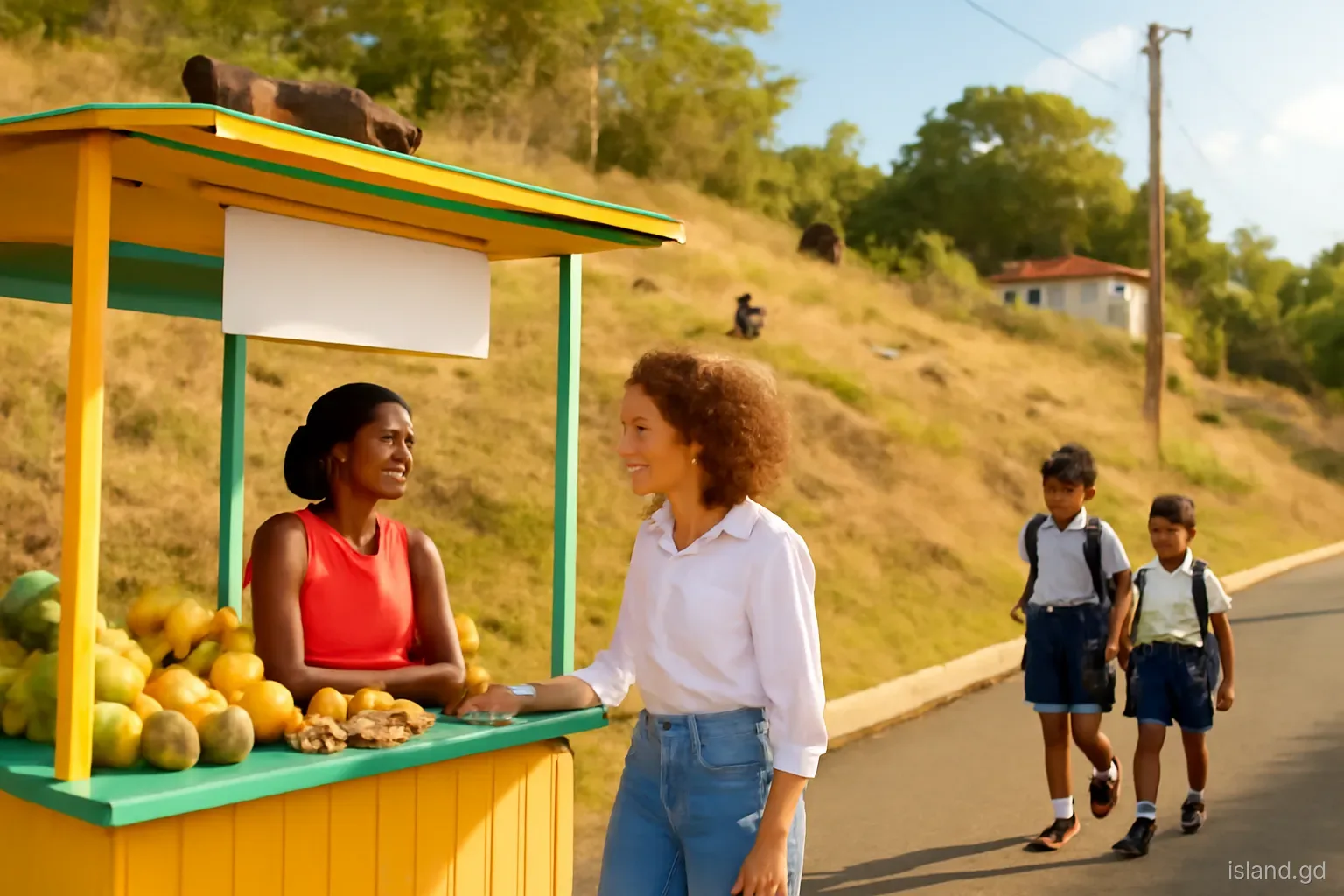
Hillsborough has the island's main supermarkets and shops, with smaller minimarts in the villages. Local produce such as fish, vegetables, fruit and meat from small farms is sold at markets, roadside stalls and directly from fishermen and farmers. When supplies run low, certain items may disappear from shelves until the next shipment arrives.
Many residents shop strategically: buying in bulk when visiting the main island, sharing transport costs, and relying on relatives abroad to send items. Barrels of goods from family overseas are a familiar part of island life. Newcomers should budget for higher costs on imported goods and occasional shortages.
Work and making a living
Carriacou's economy is small and mixed. Many people work for the government, in schools, the hospital, offices and public works. Others fish, farm small plots, raise goats, sheep and cattle, drive taxis and minibuses, run shops and guesthouses, or work in construction, which grew sharply during the rebuilding after Beryl.
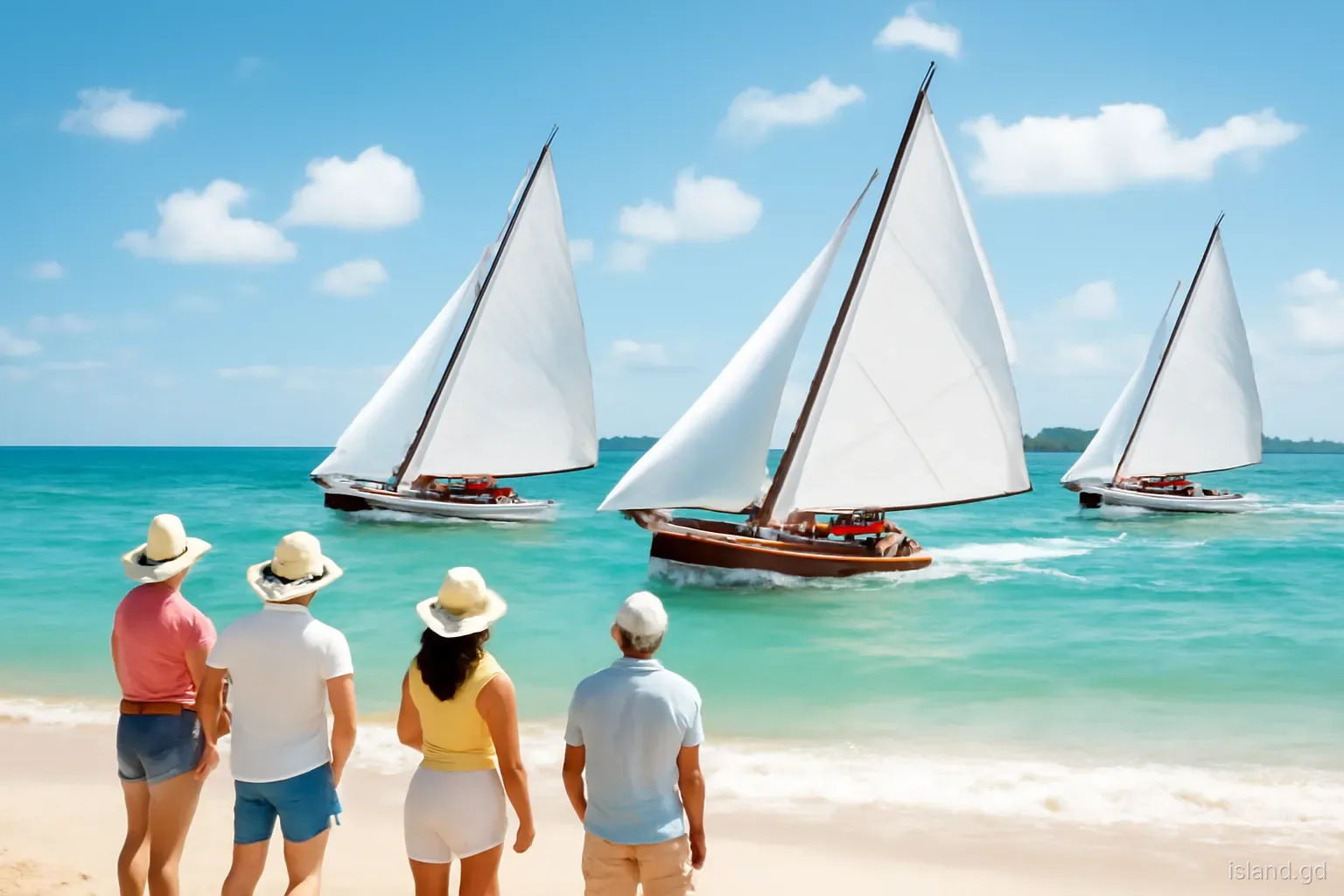
Tourism and yachting bring seasonal income, especially in the winter months and around festivals, when guesthouses, bars, water taxis and tour operators are busiest. The sea remains central: fishing, boat repair, water taxi work and boatbuilding support families in villages such as Windward and Harvey Vale.
Many households combine several sources of income rather than relying on one job. A family might farm a plot, run a small business, receive money from relatives overseas and take on seasonal work. Steady, well-paid jobs are limited, which is one reason young people often leave for the main island or abroad, and why remittances matter so much.
Healthcare, schools and services
Healthcare. The Princess Royal Hospital at Belair is the island's main hospital, supported by health centres in the villages. Serious cases are often transferred to the main island by air or sea, and specialist care may require travel to St George's or abroad. Beryl damaged health facilities, so check current services.
Schools. Carriacou has primary schools across the island and secondary schools including Bishop's College and Hillsborough Secondary School. Some students continue their education on the main island or abroad.
Government. The Ministry of Carriacou and Petite Martinique Affairs oversees many local matters, and the island also has police, customs, immigration and other government offices, mostly in Hillsborough.
Banking. Banks and cash machines are concentrated in Hillsborough. Cash remains important, especially in villages and at small businesses.
Transport. Minibuses run on main routes, taxis are available and many residents own cars. Ferries and small planes link Carriacou with Grenada's main island.
Weather, storms and resilience
Life on Carriacou is shaped by weather. The dry season brings water worries and brown hills; the wet season brings relief, greenery and the threat of storms. Hurricane season, from June to November, is a time of vigilance, with residents watching forecasts and preparing homes and boats.
Hurricane Beryl, which struck on 1 July 2024 as a Category 4 storm, devastated much of Carriacou and Petite Martinique. Homes, schools, businesses, power and water systems were badly damaged, and many people were left without shelter. The recovery has been long, supported by the government, regional bodies, aid organisations and the diaspora.
That experience has reinforced a culture of preparation and mutual help. Many residents keep emergency supplies, reinforce roofs and help neighbours rebuild. For newcomers, understanding building standards, insurance and evacuation arrangements is part of responsible living on the island.
What newcomers often get wrong
People who move to Carriacou or stay long-term often say the same lessons took time to learn.
- Assuming island life is cheap. Imported goods, fuel and building materials often cost more than on the main island.
- Underestimating water management. Tanks, gutters, filters and conservation are daily concerns, not optional extras.
- Expecting city services. Specialist healthcare, wide shopping choice and fast repairs may require trips to the main island.
- Ignoring community norms. Greeting people, attending events and respecting traditions matter. Keeping to yourself can be read as unfriendly.
- Skipping storm planning. Hurricane preparation, insurance and building quality are essential after Beryl.
- Treating the island as a holiday all year. Long-term residents face routine challenges, from bureaucracy to supply shortages. Patience is essential.
Frequently asked questions
Why is Carriacou called Kayak?
Kayak is an affectionate local nickname for Carriacou, and residents are sometimes called Kayakers. The name reflects a strong sense of island identity, distinct from the main island of Grenada, and is used widely in conversation, music and local culture.
Is it expensive to live on Carriacou?
Many imported goods cost more on Carriacou than on Grenada's main island because almost everything arrives by boat. Local fish and produce can be affordable, but fuel, building materials and household goods often carry higher prices. Budget carefully and expect occasional shortages.
Where does Carriacou get its water?
Most homes collect rainwater from roofs into tanks or cisterns. Public supply, including desalinated sea water, supplements this. Supply can be interrupted by breakdowns or storms, so households keep reserves and conserve water carefully, especially in the dry season.
What healthcare is available on Carriacou?
The Princess Royal Hospital at Belair and village health centres provide care, though Beryl damaged facilities in 2024, so confirm current services. Serious or specialist cases are often transferred to the main island or abroad. Services were affected by Hurricane Beryl, so check current arrangements and consider insurance that covers medical evacuation.
How did Hurricane Beryl affect life on Carriacou?
Beryl struck on 1 July 2024 and caused widespread destruction to homes, schools, businesses, power and water systems on Carriacou and Petite Martinique. Recovery has been long, supported by government, aid agencies and the diaspora, and some services and buildings may still be rebuilding.