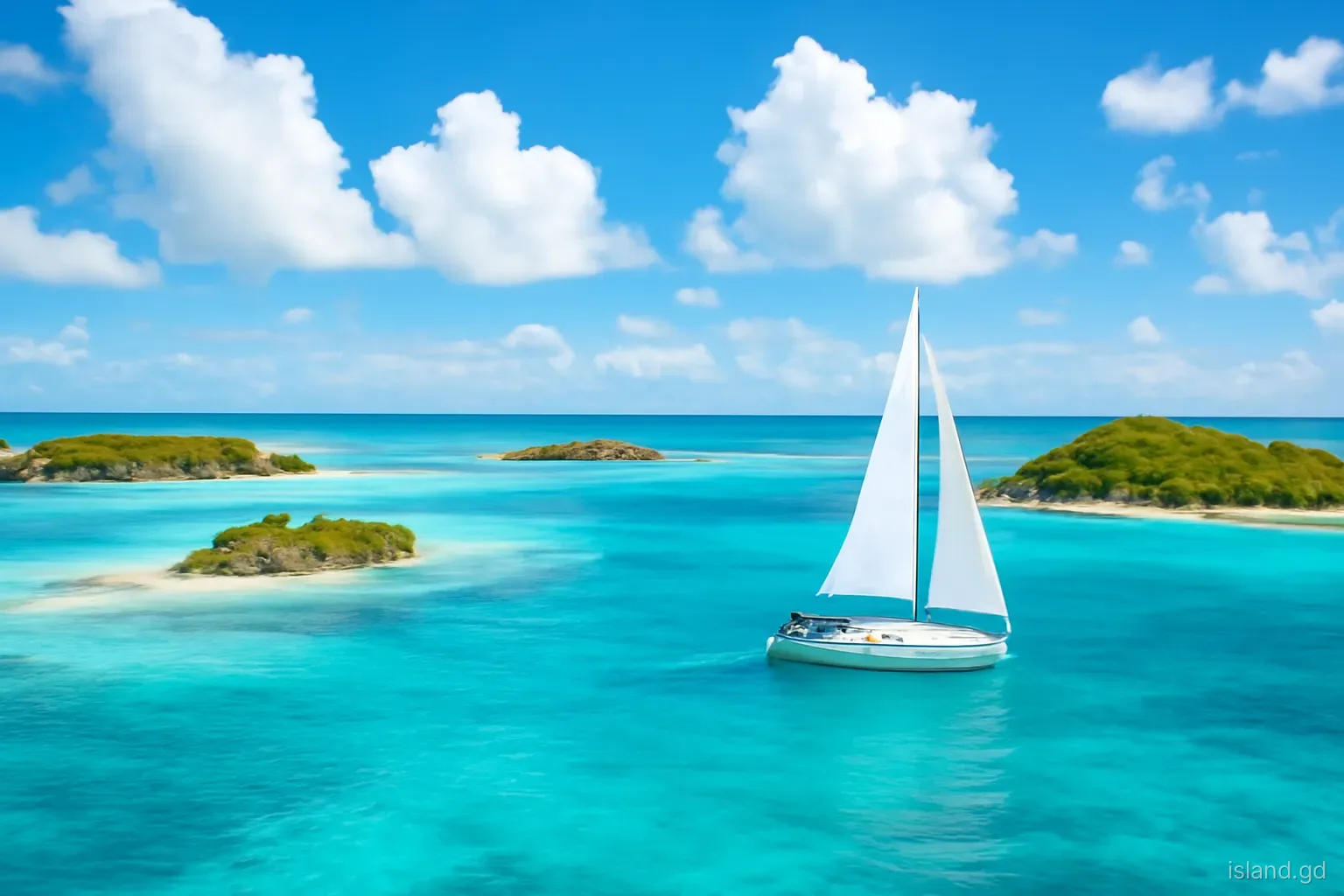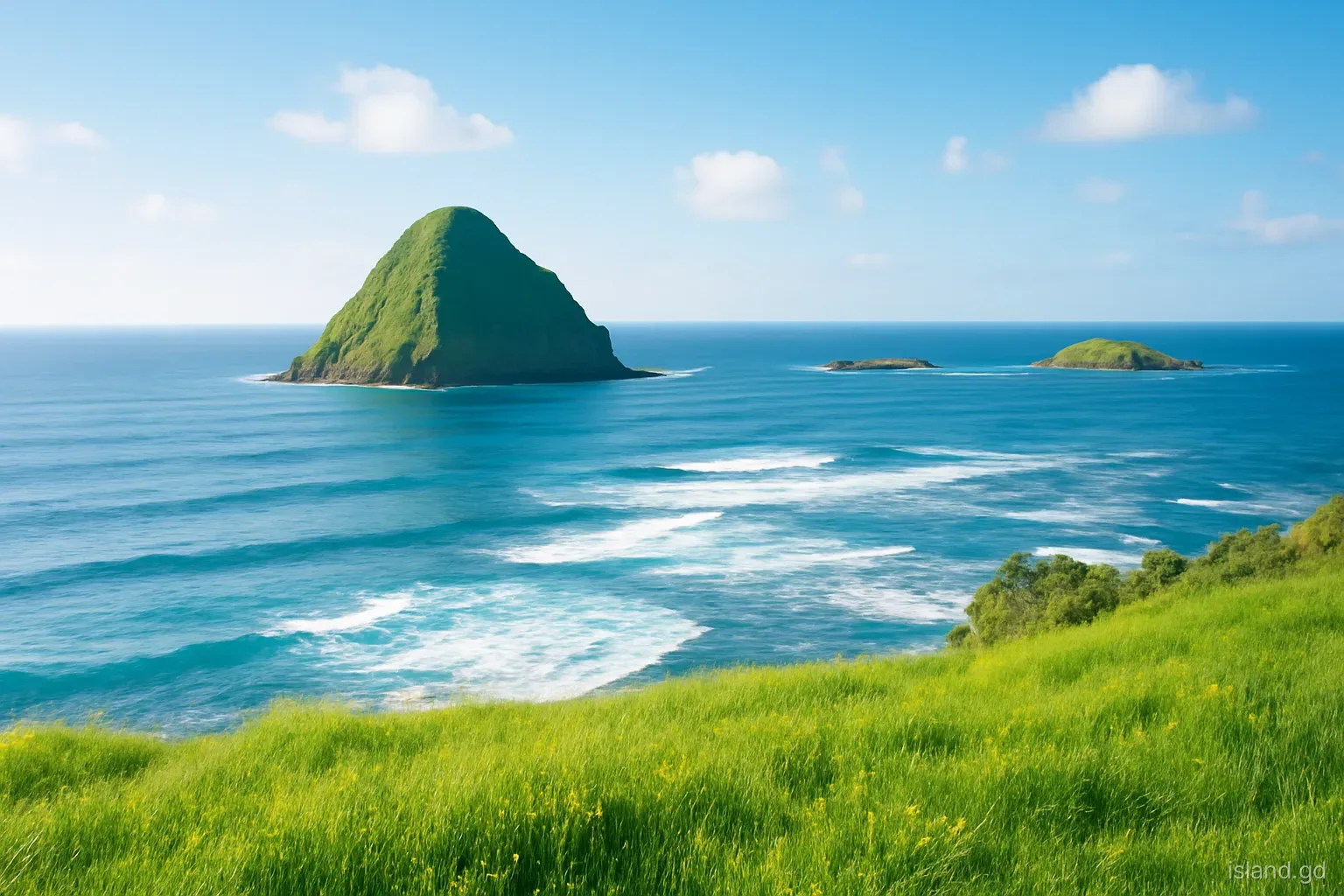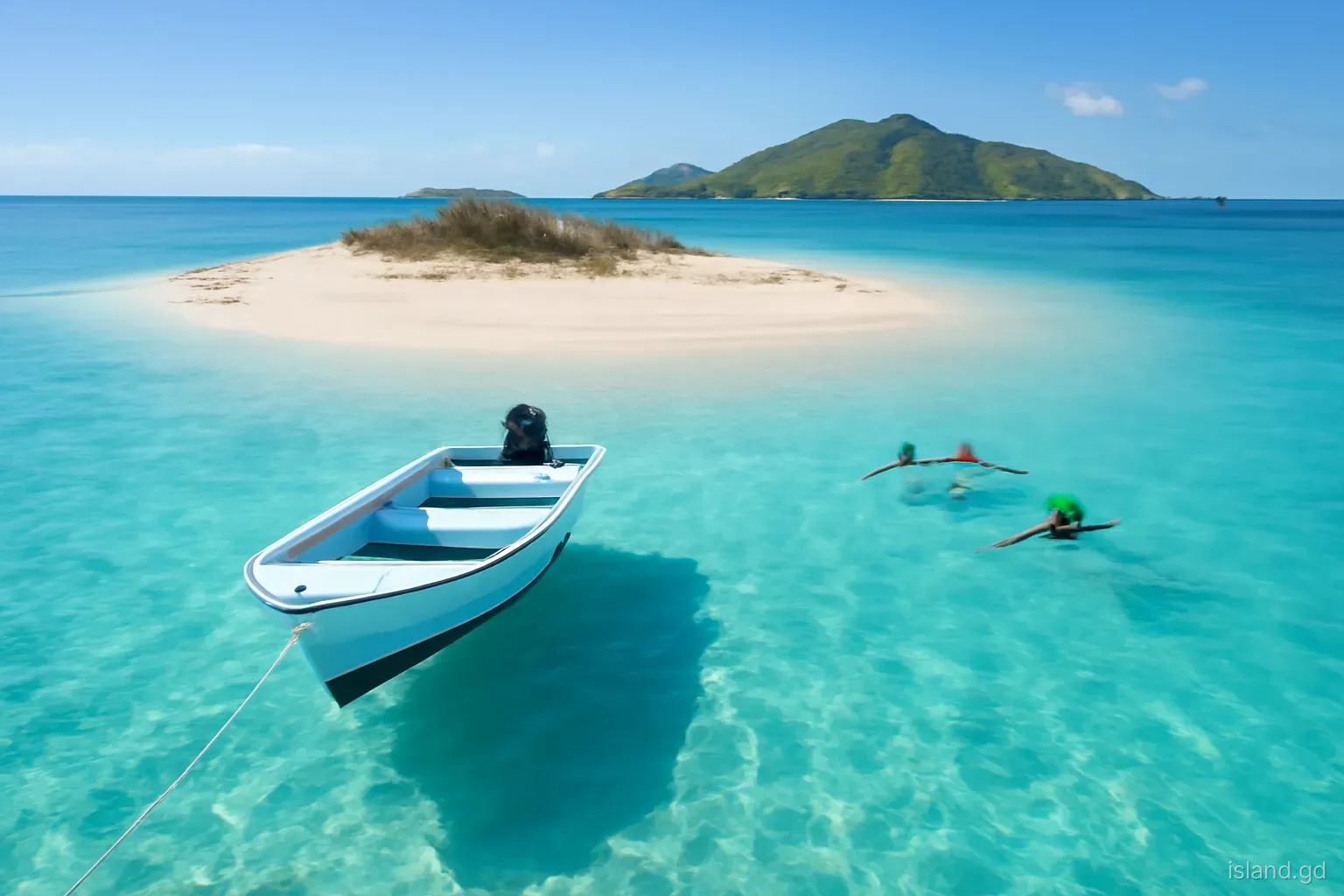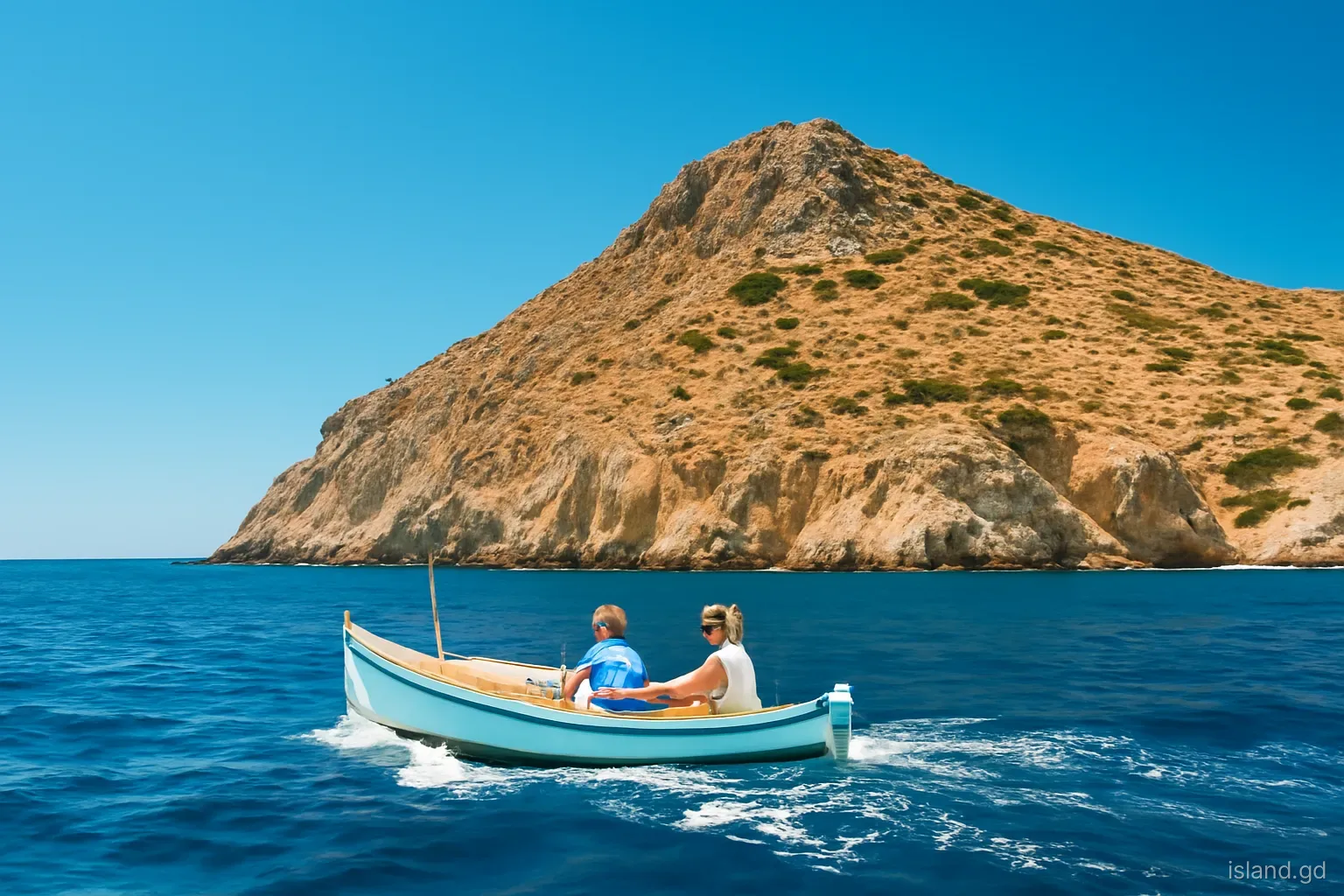
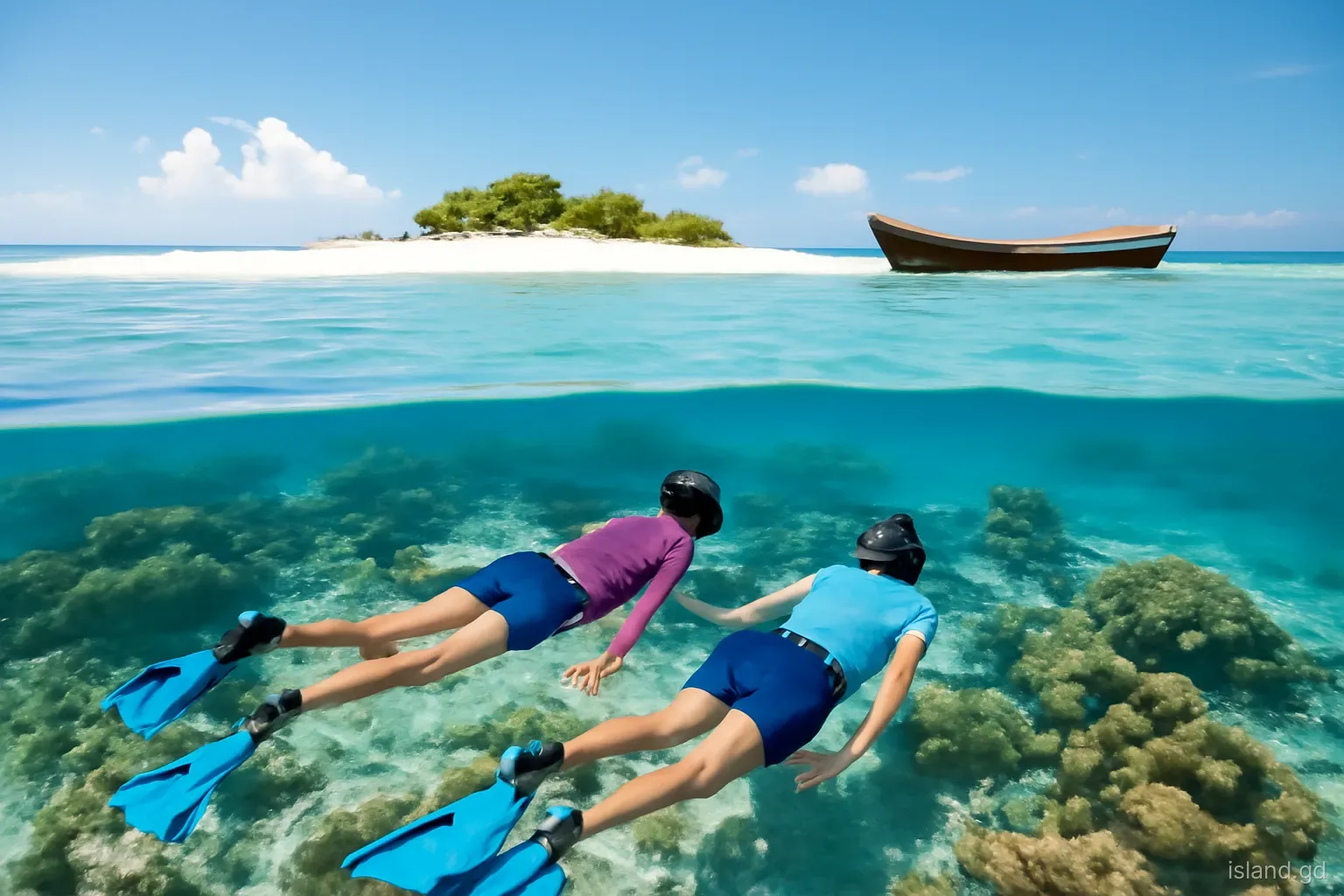
The state of Grenada includes dozens of islets, cays and rocks beyond its three inhabited islands, from Sandy Island off Carriacou to the seabird rocks off the north-east coast and the private retreats of the south. Most have no residents, no facilities and no wardens on the beach. That makes them feel free, but it also means that every visitor carries responsibility for leaving them as they were.
Some of the rules are legal: marine protected areas, protection for turtles and coral, private property and border controls. Others are matters of safety, common sense and respect for the people who fish and work around these islands. Visitors who ignore them can damage fragile places, put themselves at risk or cause offence without meaning to.
This checklist brings the essentials together. Specific rules, fees and access arrangements change and vary from place to place, so confirm details with your boat operator or the relevant authority before you go.
Know whose island it is
Public beaches, private land. In Grenada, beaches are generally regarded as public up to the high-water mark, but the land behind them, and some entire islands, may be privately owned. Calivigny Island off the south coast is a private resort, and several other islets are or have been in private hands.
Ask before landing. If you are not sure whether an island or part of it is private, ask your boat operator. Do not walk inland, enter buildings or use facilities without permission.
Development sites. Some islands, such as Hog Island, have been the subject of development plans, and access may be controlled. Follow instructions from staff or security.
Respect people's livelihoods. Islands with no residents may still be used by fishers, livestock owners or people collecting from the shore. Leave equipment, pens and boats alone.
On inhabited islands such as Carriacou and Petite Martinique, the same courtesy extends to the shore. Boats pulled up on a beach, nets drying on the sand and slipways where hulls are being built or repaired belong to someone and are part of their working day. Walk around them rather than through them, keep children from climbing on boats and ask before photographing people at work.
Marine protected areas: what they mean in practice
Grenada has designated several marine protected areas, including Moliniere-Beausejour on the mainland's west coast, the Woburn and Clarkes Court Bay area on the south coast and the Sandy Island Oyster Bed Marine Protected Area off Carriacou, which includes Sandy Island and Mabouya Island. Each has its own rules and zoning, designed to protect reefs, seagrass, mangroves and fish stocks.
In practice, this usually means using moorings where they are provided instead of anchoring, not taking or damaging coral, shells or marine life, observing restrictions on fishing in certain zones and paying any visitor fees. Fees support management, rangers and moorings. Your boat operator may include them in the price or collect them separately, so ask.
Rangers and other officials patrol these areas and can enforce the rules. Beyond legal consequences, the reasons are practical. Coral reefs grow slowly and are under heavy pressure from warming seas and storms. A single careless anchor drop or a few people standing on a reef can destroy decades of growth.
Away from the formal protected areas, the same habits make sense everywhere. Many of Grenada's best reefs lie outside any designated zone, and they are just as vulnerable to anchors, fins and careless hands. Treat every reef as if it were inside a marine park.
Wildlife: turtles, birds and reef life
Many of Grenada's islets are critical habitat. A few rules protect what lives there:
- Turtles. Sea turtles nest on beaches across the state, including on some islets, mainly in the middle of the year. Turtles, their eggs and nests are protected. Keep away from tracks and nests, never use lights on nesting beaches at night and report disturbances to local conservation groups.
- Seabirds. Boobies, frigatebirds, terns and other seabirds nest on remote islets and rocks. Disturbance can make birds abandon eggs or chicks. Stay well back from colonies, keep noise down and never land on islets used for nesting.
- Coral. Do not touch, stand on or kick coral. Float in shallow water, keep fins up and practise buoyancy over sand before heading over the reef.
- Fish and shellfish. Do not feed fish, chase marine animals or collect shells, starfish or sea urchins. Fishing is regulated by the Fisheries Division, and lambi and lobster have rules on size and seasons.
- Plants. Leave beach vegetation alone, especially newly planted trees and shrubs that hold sand in place after storms.
Safety checks before setting out
Islets are often only a short boat ride away, but conditions can change fast, and help is far off. Run through these checks before every trip:
- Choose a licensed, reputable boat operator or water taxi, and confirm that the boat carries life jackets for everyone, a radio or reliable phone and basic safety equipment.
- Check the weather and sea forecast. Strong trade winds, northerly swell or approaching tropical systems can make crossings dangerous.
- Agree a clear pickup time and place, and exchange contact details. Make sure someone on shore knows where you are going and when you expect to return.
- Bring more water than you think you need, food, a hat, a long-sleeved top, reef-safe sun protection and any medication.
- Learn to recognise manchineel trees, which grow on many beaches. Do not shelter under them, touch the sap or eat the fruit.
- Wear water shoes or keep fins on near rocks to avoid sea urchin spines and cuts.
- Know the emergency number, 911, and remember that on remote islets help may take a long time to arrive.
Rubbish, fires and overnight stays
There are no bins on Grenada's uninhabited islets and no one to collect waste. Everything you bring must leave with you: bottles, cans, packaging, food scraps, cigarette ends and fishing line. Plastic and line are especially harmful, entangling birds, turtles and fish. Many visitors also pick up a few pieces of washed-up rubbish before leaving, which helps.
Fires on beaches can damage vegetation, scar the sand and, on dry islands in the dry season, spread quickly into scrub. Never burn manchineel wood, whose smoke can cause serious eye and breathing problems. If you are planning anything involving fire, ask your operator or local authorities first, and use only designated areas where allowed.
Camping overnight on uninhabited islets is not a normal tourist activity and may be restricted, especially within protected areas or on private land. If you are considering it, seek permission from the relevant authority or owner in advance, and be realistic about the lack of water, shade and shelter and the difficulty of getting help at night.
If a trip includes a stop for lunch on a beach, choose a spot away from vegetation and nesting areas, and leave the sand as smooth and clean as you found it.
Mistakes visitors make
One frequent mistake is treating a quick crossing as low risk. A 15-minute ride in calm morning water can turn into a rough trip home if the wind picks up in the afternoon. Another is relying on a phone that has no signal or a dead battery once you reach the islet. Agree on a plan with your operator and keep to it.
A second is assuming that what is not forbidden by a notice is allowed. Most islets have no notices at all. Use common sense: if an activity could damage coral, disturb wildlife or intrude on private property, do not do it.
A third is forgetting the border. North of Carriacou and Petite Martinique, many of the islands and cays belong to St Vincent and the Grenadines. Visiting them without proper customs and immigration clearance is illegal, however close they look and however casual the trip.
Frequently asked questions
Do you have to pay to visit Sandy Island, Carriacou?
Visitors to the Sandy Island Oyster Bed Marine Protected Area are generally charged a fee that supports park management. Boat operators may include it or collect it separately. Ask before setting out, and check the current amount, as fees change.
Can you take shells from beaches in Grenada?
It is best not to. Taking coral, shells or marine life is prohibited in marine protected areas, and empty shells often provide homes for hermit crabs and help build sand. Leave everything where you find it and take only photographs.
Are all islands in Grenada open to the public?
No. Beaches are generally regarded as public up to the high-water mark, but some islands are entirely or partly private, such as Calivigny Island. Ask your boat operator before landing and respect any instructions from owners or staff.
What should you bring on a boat trip to an islet?
Bring plenty of drinking water, food, a hat, a long-sleeved top, reef-safe sun protection, any medication, water shoes and a bag for rubbish. Most islets have no shade, shops or facilities, and conditions can change quickly.
What is manchineel and why is it dangerous?
Manchineel is a tree that grows on many Caribbean beaches. Its sap, small green fruit and even rainwater dripping off its leaves can cause burns, blisters and severe irritation. Do not shelter under it, touch it, eat the fruit or burn its wood.