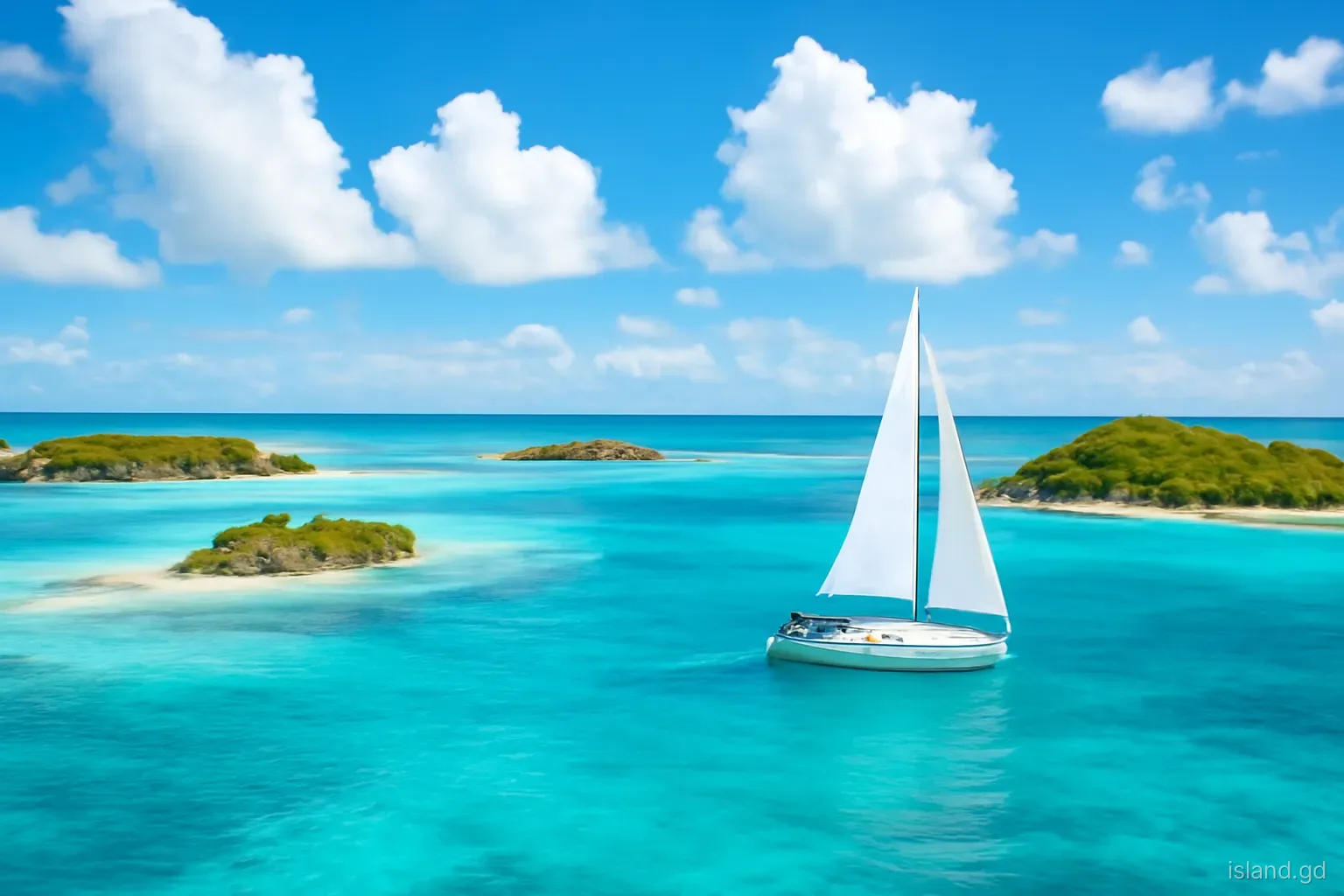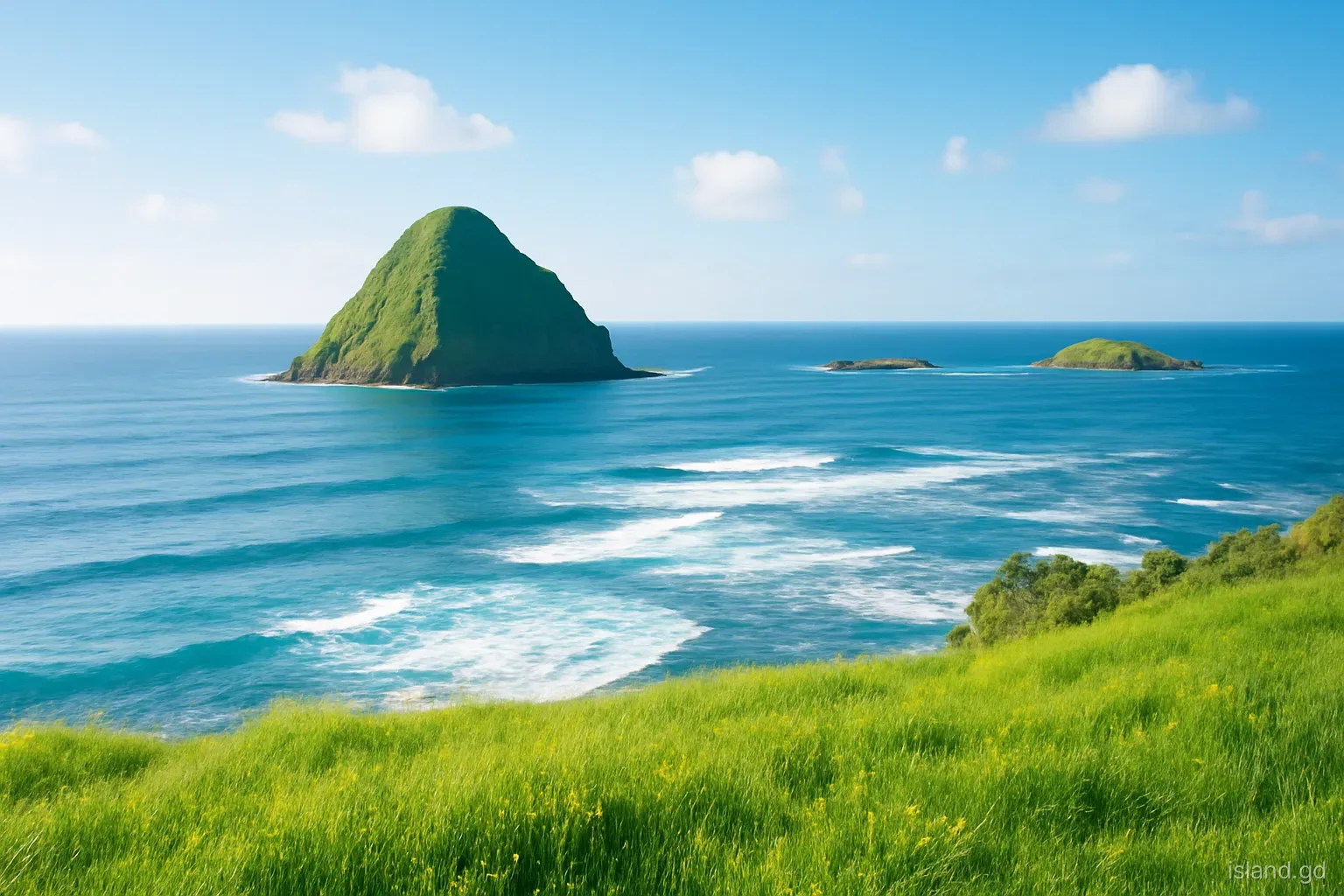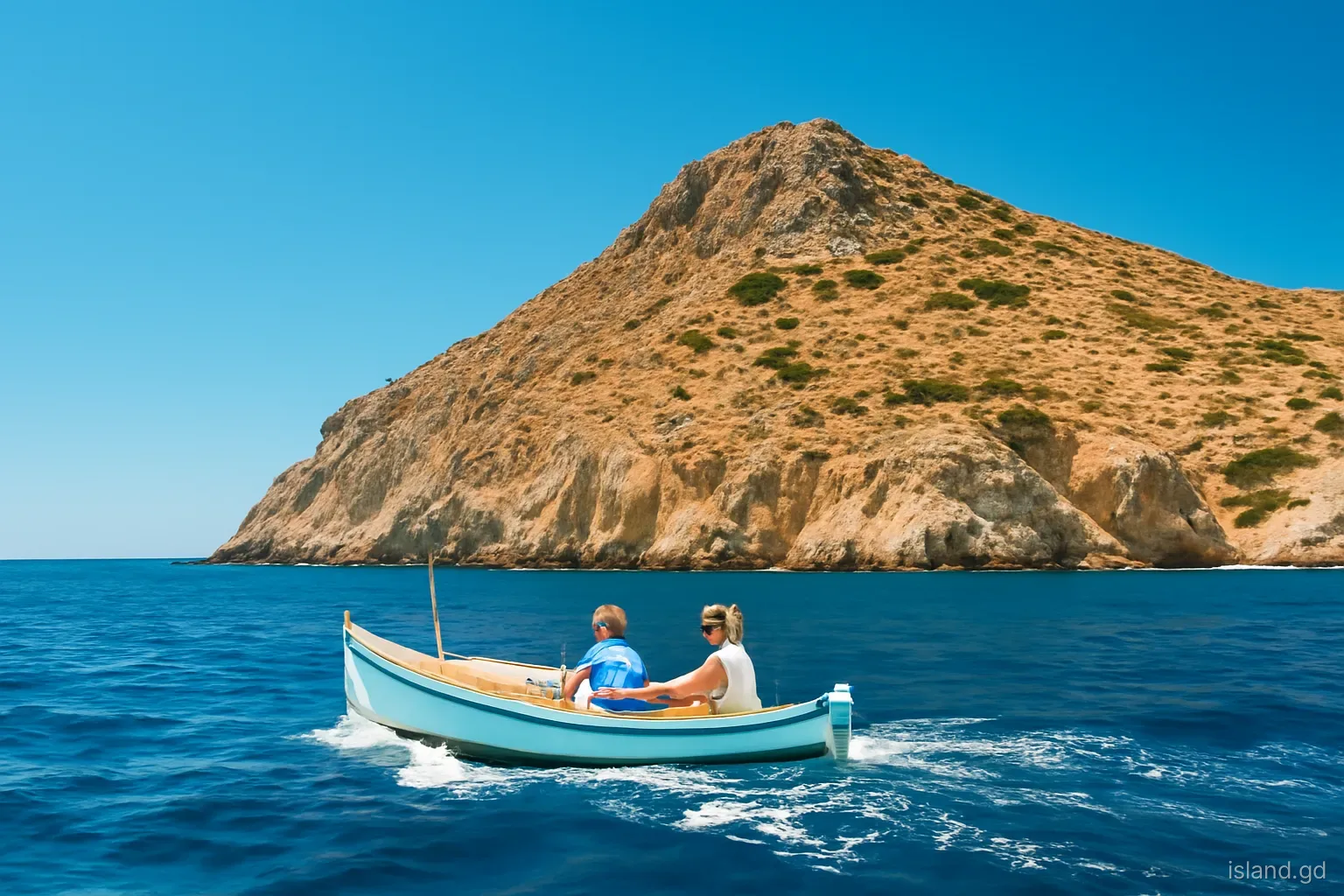
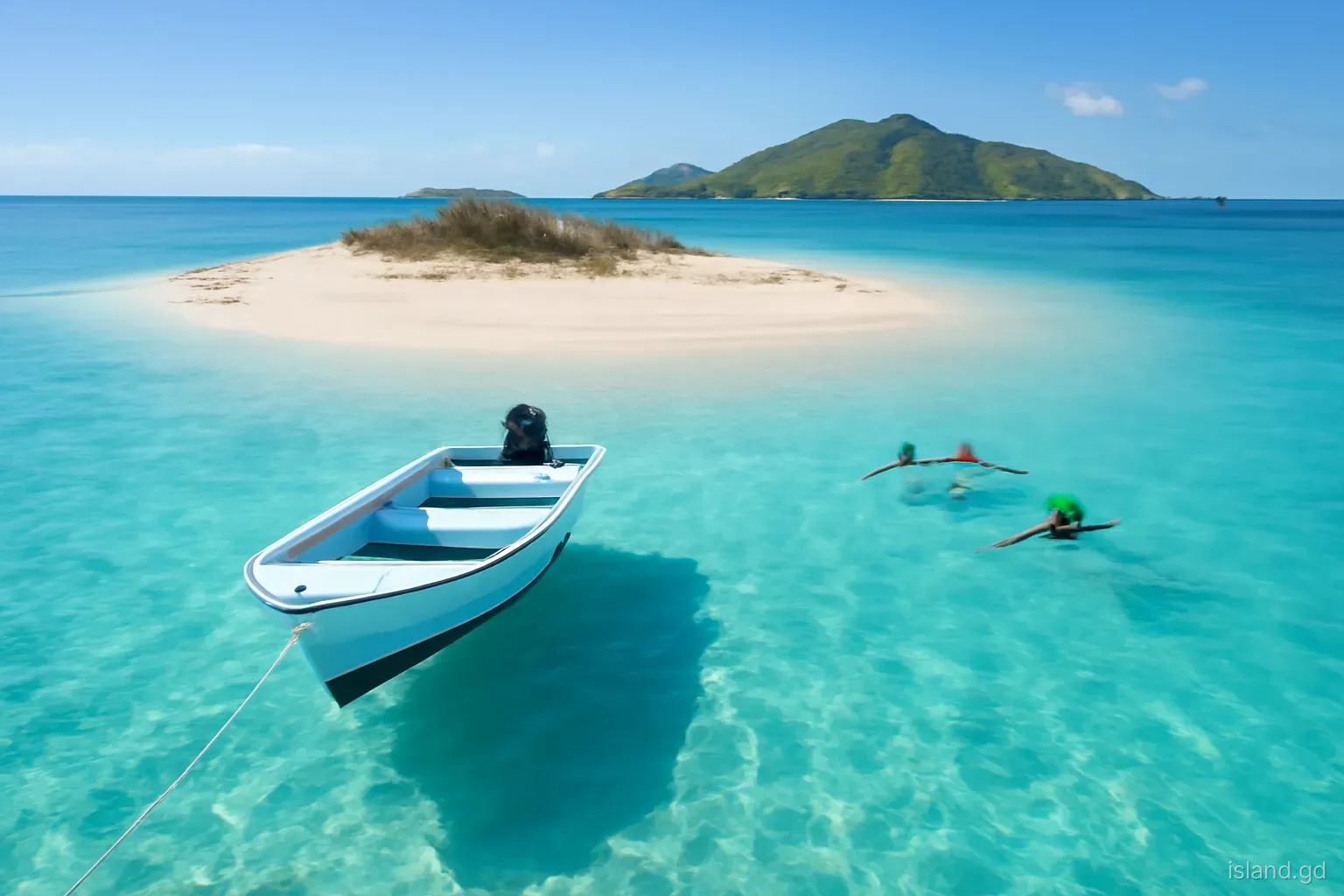
Off Carriacou's southern shore, a handful of small islands sit in a shallow sea of reef and sand. From the hills around Hillsborough or the airport at Lauriston they look like stepping stones leading away towards the horizon. Up close they are dry, quiet and largely empty, with pale beaches, scrubby interiors, reefs alive with fish and seabirds overhead.
White Island is the one most visitors reach, on a boat trip for a swim, snorkel and picnic. Saline Island, its larger neighbour, is named after its salt pond. Further out are Large Island and Frigate Island, wilder and less visited. All of them are part of the state of Grenada.
This article looks at these islets as places: what each is like, the reefs and wildlife around them, the questions over their future and how to visit without leaving a mark. After Hurricane Beryl in July 2024, conditions on and around them changed, so ask locally about current access and the state of beaches and reefs.
A shallow sea of reefs and islets
Carriacou's south coast faces a broad, shallow shelf of reef, seagrass and sand, broken by small islands. This shelf breaks the swell, creating sheltered water in places, while the edges of the reefs drop away into deeper channels. The islands themselves are low and dry, formed from the same mix of old volcanic rock and limestone found on Carriacou, and covered in scrub, cacti and grass.
The arrangement creates a variety of habitats in a small area: sheltered sandy beaches on leeward sides, rocky windward shores pounded by waves, salt ponds and lagoons, reefs on every side and seagrass meadows in the shallows. That variety is why these islands matter for wildlife, from nesting turtles and seabirds to reef fish and conch.
Navigation here needs care. Reefs and shallow patches lie between the islands and around them, and the colour of the water is the best guide: dark patches mean coral or seagrass, pale turquoise means sand, deep blue means deeper water. Local boat operators know these waters intimately, and visitors are wise to rely on them rather than trying to find their own way.
Seen from the high ground near Lauriston or the hills above Hillsborough, the shelf shows its structure clearly on a sunny day: bands of pale sand, darker reef and seagrass, and the deep blue of the channels beyond. It is worth a look before a boat trip, because it makes sense of the route the skipper takes and why it is never a straight line.
The islands one by one
White Island. A small island with a sandy beach on its sheltered side and reef just offshore. It is the most visited of the southern islets, popular for half-day or day trips from Carriacou for swimming, snorkelling and picnics. It has no facilities, so everything must be brought in and carried out.
Saline Island. Larger than White Island and lying close to it, Saline Island takes its name from the salt pond in its interior. It is dry and scrubby, with rocky shores and small beaches. Land on the southern islets may be privately owned, so visitors should not assume free access beyond the shore.
Large Island. As its name suggests, one of the bigger islands in the group. It is hilly, dry and largely undeveloped, and has been the subject of resort development proposals over the years. It is less visited than White Island, and landing depends on access arrangements and sea conditions.
Frigate Island. One of the smaller, more remote islands in the scatter off Carriacou's south. Like the others, it is dry and rocky, and it is valued mainly as wildlife habitat and as a landmark for local fishers and sailors.
Wildlife on land and underwater
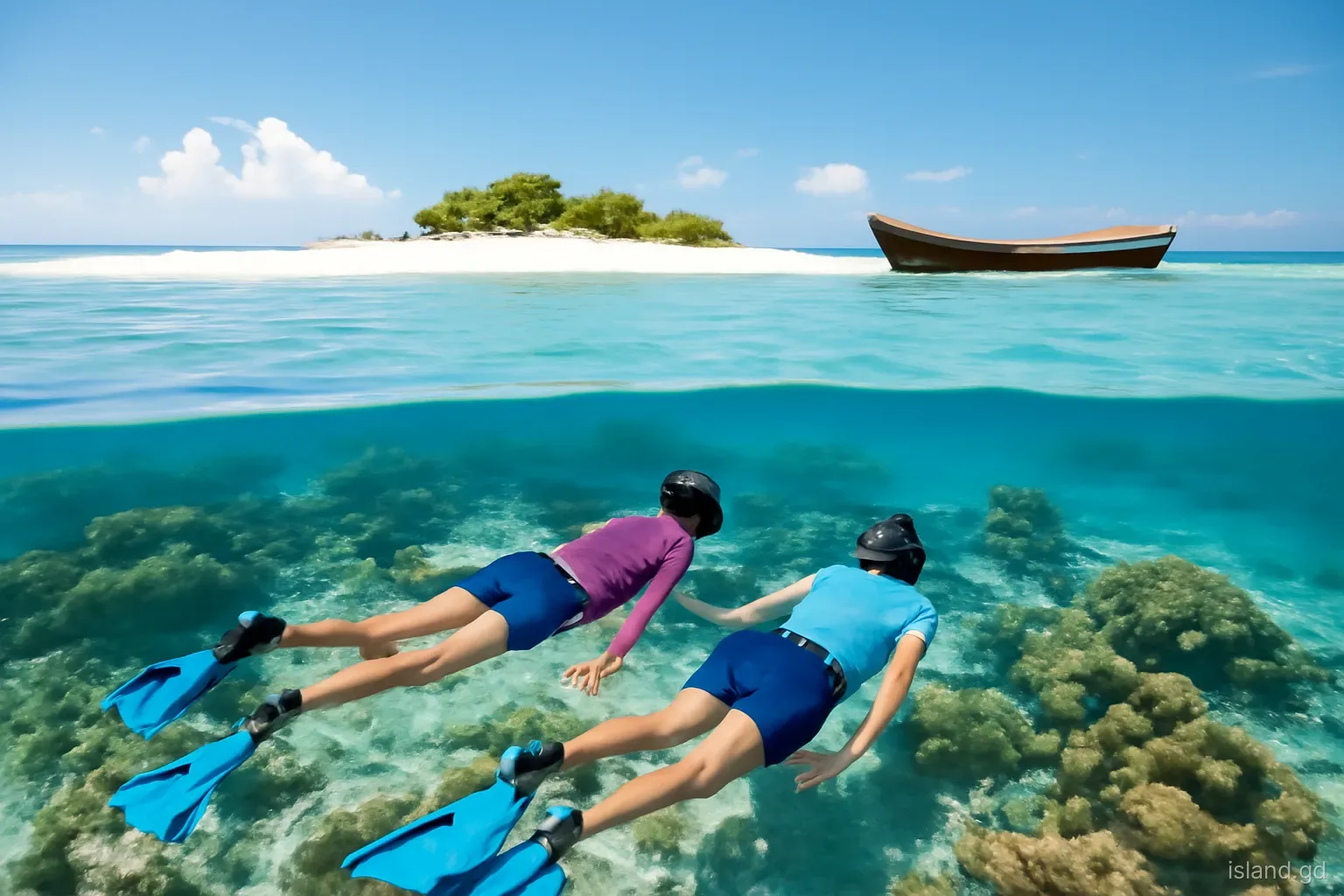
The reefs around these islands are among the attractions of a trip from Carriacou. Snorkellers can see corals, sea fans, parrotfish, angelfish, sergeant majors and other reef fish in clear, shallow water, especially around White Island. Further out, the reef edges and deeper slopes attract divers in suitable conditions with a reputable operator.
The beaches of the southern islets are used by nesting sea turtles, which come ashore at night to lay eggs in the sand, mainly in the middle of the year. Turtles and their nests are protected in Grenada, and disturbing them, taking eggs or interfering with hatchlings is prohibited. If you are on a beach and see tracks or a nest, keep away and leave it undisturbed.
Seabirds use the islands for roosting and nesting, especially the more remote rocks and cliffs. Frigatebirds, boobies, terns and pelicans are common sights. On land, lizards and insects adapted to dry conditions are the main residents. Salt ponds attract wading birds, especially during the northern winter, when migrants arrive from North America.
Development and the future of the islets
Small, beautiful and close to Carriacou, the southern islets have repeatedly attracted interest from developers. Proposals for resorts or private use have been put forward for some of them, including Large Island, over the years, prompting debate in Carriacou about access, environmental impact and who benefits from development.
Supporters argue that well-managed development could bring jobs and investment to an island economy that needs both. Critics worry about damage to reefs, turtle nesting beaches and bird habitat, and about losing traditional access to places that Carriacouans have long used for fishing, picnics and recreation. Outcomes depend on government decisions, planning approvals and investor plans, which change.
For visitors, the practical point is to respect the current situation. Some islands or parts of them may be private, and access arrangements can change. Follow your boat operator's advice, keep to beaches and shores where visitors are welcome and leave the islands exactly as you found them.
Planning a trip to the southern islets
Most people visit on a half-day or full-day boat trip from Carriacou. To get the most from it:
- Arrange a trip through a local water taxi or licensed boat operator in Hillsborough, Tyrrel Bay or elsewhere on Carriacou, and agree the itinerary, price and return time in advance.
- Choose a calm day. The shelf can be choppy in strong trade winds, and snorkelling is much better in settled conditions.
- Bring water, food, sun protection, snorkel gear if you have your own, and a bag for all your rubbish.
- Ask your operator which islands you will visit, whether landing is possible and whether any rules or fees apply.
- When snorkelling, float rather than stand, keep fins off the coral and stay close to the boat or beach, away from channels and boat traffic.
- Leave shells, coral and sand where they are, and keep away from turtle nests and seabird colonies.
What to watch out for
The biggest risk on a trip to the southern islets is the sun. These are low islands with little shade, surrounded by bright water and sand that reflect light from every direction. Hurricane Beryl stripped much of what vegetation there was, so do not count on finding a tree to sit under. A hat, a long-sleeved rash vest, high-factor sun protection and plenty of water are essential.
Currents are the second. The channels between the islands and at the edges of the reef shelf can run strongly, especially when the tide is turning and the trade winds are blowing. Snorkellers drift without noticing and can find themselves far from the boat. Stay close, look up regularly and agree a signal with the boat operator.
Manchineel grows on some beaches, and its sap, fruit and even rainwater dripping from its leaves can cause painful burns and blisters. Sea urchins sit on rocks and reefs in the shallows, and stepping on one is a common injury. Wear water shoes or fins near rocks, avoid standing on the bottom and keep an eye on children at all times.
Frequently asked questions
How do you get to White Island, Carriacou?
Local water taxis and boat operators run trips from Carriacou, including from Hillsborough and Tyrrel Bay. Agree the price, itinerary and return time beforehand. The island has no facilities, so bring water, food, sun protection and a bag for rubbish.
Is there good snorkelling around White Island?
Yes. The reef close to White Island's beach is one of the most popular snorkelling spots around Carriacou. Go on a calm day, float rather than stand, avoid touching coral and stay close to the beach or boat.
Can you visit Saline Island?
Land on Saline Island may be private, so access beyond the shore can be restricted. Boat trips often pass close to it or stop nearby. Ask your operator about current access arrangements and respect any instructions.
Do turtles nest on the islets off Carriacou?
Sea turtles nest on some beaches of the southern islets, mainly in the middle of the year. Turtles and their nests are protected in Grenada. If you see tracks or a nest, keep your distance and do not disturb it.
Were the islets off Carriacou damaged by Hurricane Beryl?
Beryl passed directly over Carriacou in July 2024 and affected beaches, vegetation and reefs in the area. Conditions have varied from island to island, so ask local boat operators about the current state of beaches and snorkelling spots.