The northern tip of Grenada feels like the end of the island in the best sense. Past Sauteurs, the land flattens into rolling pasture and farmland, the roads narrow, and the views open north across a channel scattered with small islands towards Carriacou. This is the parish of St Patrick, the least visited part of the main island by most holidaymakers, and one of the most varied in natural features.
Within a small area you find a wetland of mangroves and lagoon at Levera, beaches where leatherback turtles nest, crater-lake scenery at Lake Antoine, bubbling springs at River Sallee and historic estates still producing cocoa and rum. This field guide takes the north-east corner feature by feature, with what to look for and how to visit sensibly.
The lie of the land
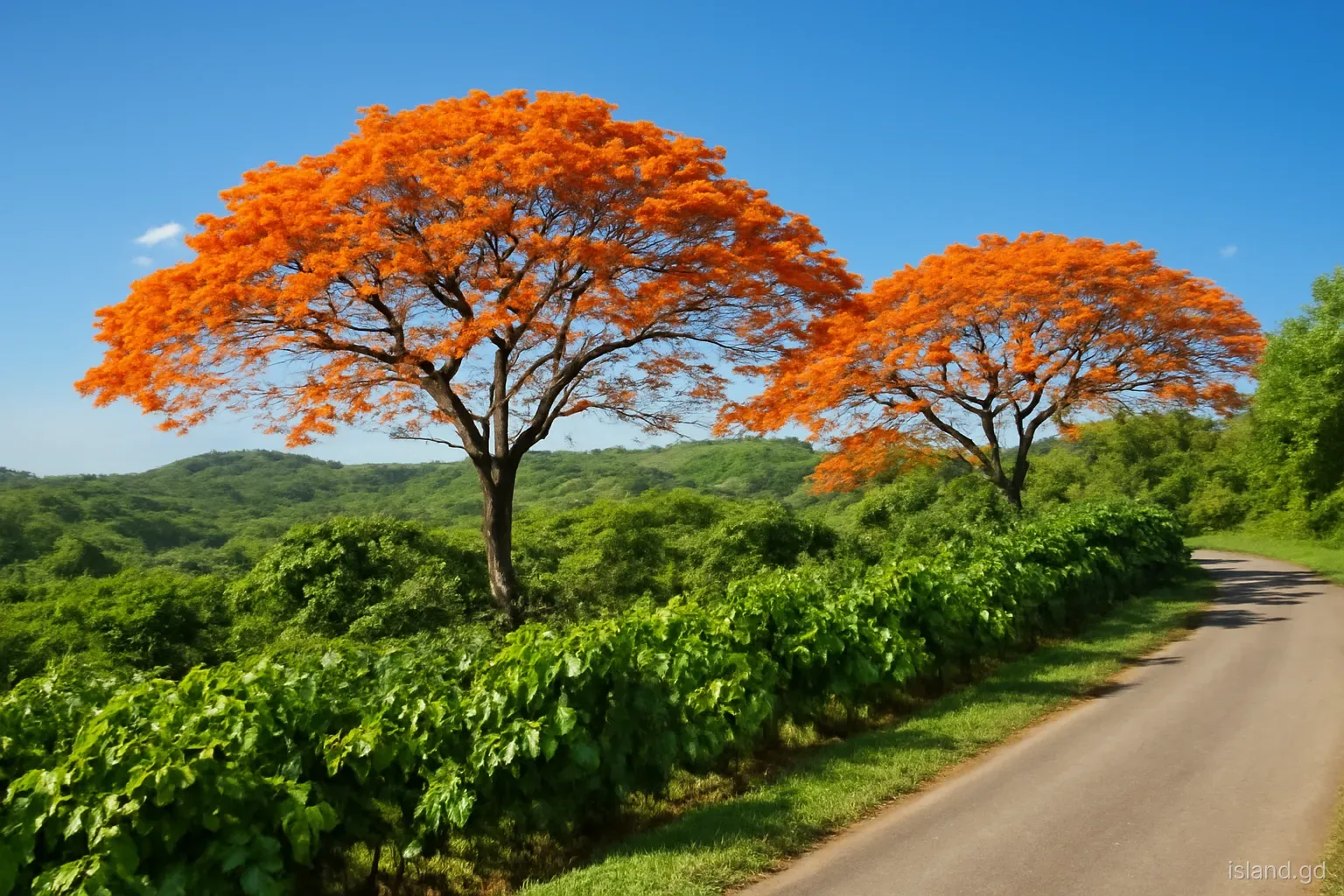
North of Mount St Catherine, the island's highest peak, the terrain drops into lower hills and gently rolling plateaux. Rainfall is moderate, the soils are good, and the landscape is a patchwork of cocoa, bananas, fruit trees, pasture and bush. Roads loop between small communities rather than following a single main route, which is why the north can feel confusing to first-time drivers.
Sauteurs, on the north coast, is the parish town. East of it, the coast curves round the north-eastern corner past Levera and then south towards Bathway and the Atlantic side of St Andrew. Offshore lies a string of small islands, including Sugar Loaf, also called Levera Island, and Green Island close to the coast, with Ronde, Caille and others further out towards the Grenadines.
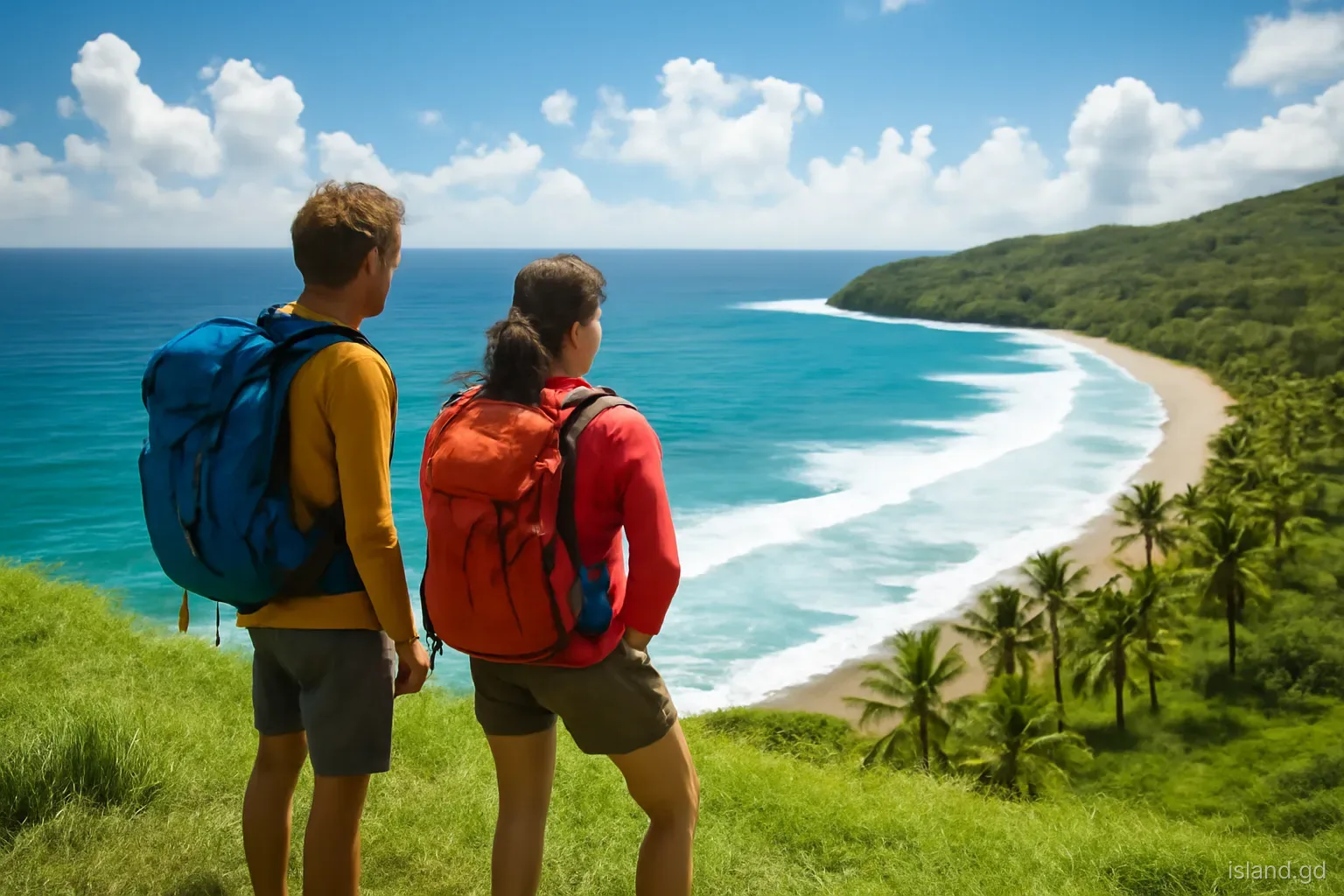
On a clear day, especially in the drier months, Carriacou is visible on the northern horizon, a reminder that the main island and its sister isles are part of one chain.
Levera: pond, mangroves and beach
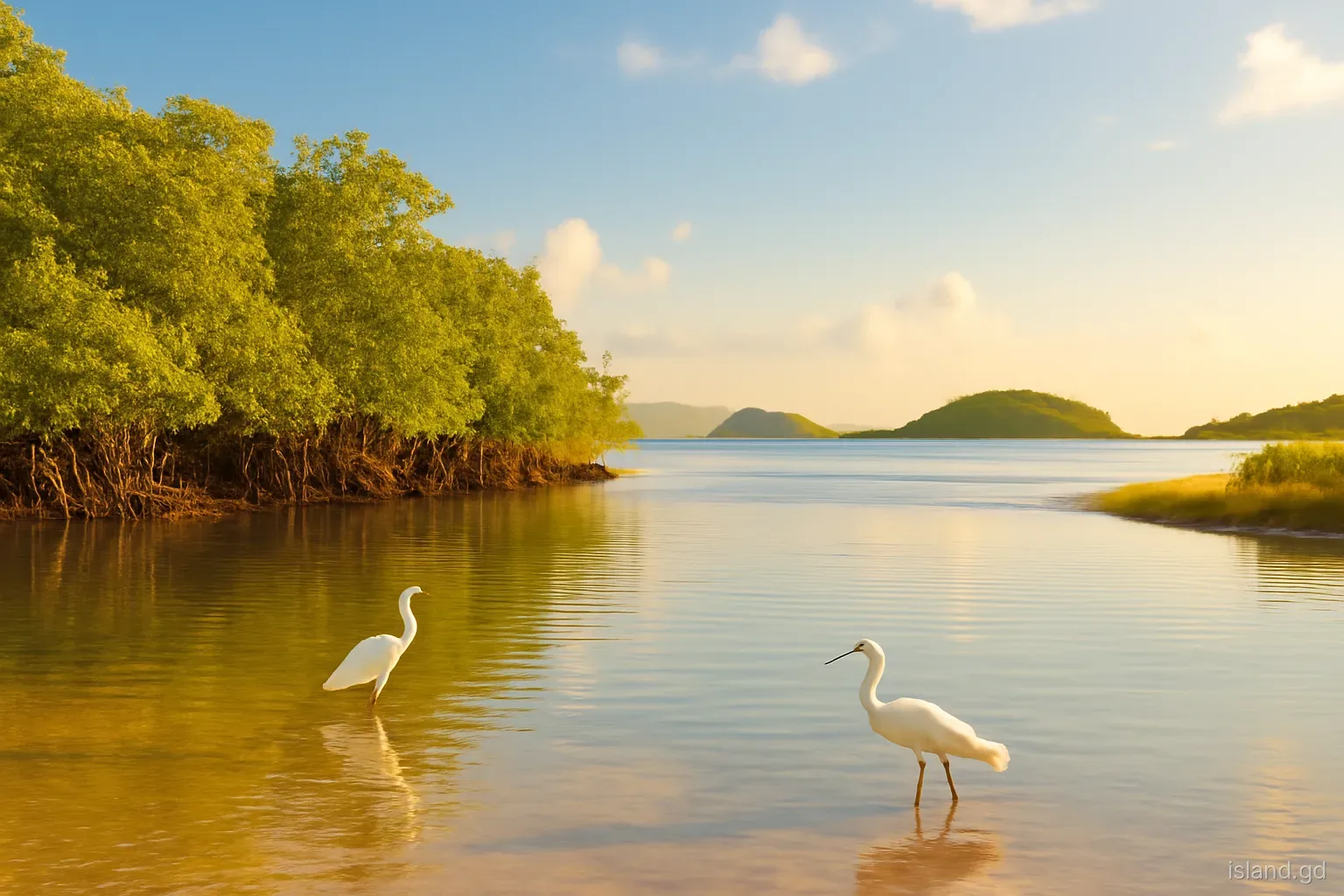
Levera is the north-east corner's centrepiece. It is part of Grenada's protected area system, combining a large shallow pond and mangrove wetland with a long, exposed beach and the offshore islands. The pond is fringed with mangroves and is one of the island's important wetlands for waterbirds: herons, egrets, gallinules and visiting shorebirds use it, and a quiet hour at the water's edge often turns up more birds than expected.
The beach faces the Atlantic, with Sugar Loaf island just offshore. The sea here is often rough, with strong currents, and swimming is not generally safe; the beach is better for walking, birdwatching and photography. Sargassum seaweed can wash up heavily in some years.
Levera's mangroves do more than shelter birds. They filter runoff, protect the shore from storms and act as nurseries for fish that later move out to the reefs. Development plans for the area have drawn concern over the years, so access arrangements and facilities can change. Check locally before relying on any visitor facilities being open.
Turtle beaches and nesting season
Levera and nearby beaches on the north-east coast are known nesting grounds for leatherback turtles, the largest living sea turtle, and other species also nest in Grenada. Leatherbacks come ashore at night during the nesting season, which in Grenada runs roughly from March to August, with females dragging themselves up the sand to dig a nest and lay eggs before returning to the sea.
Turtle watching should be done only with organised, permitted groups that follow conservation guidelines. These groups control numbers, use dim red light rather than torches and keep watchers at a distance so the turtle is not disturbed. Going alone with flashlights or phones causes real harm, because light and noise can make a turtle abandon nesting, and hatchlings can be confused by artificial light.
Sea turtles are protected under Grenadian law, and taking turtles or eggs is illegal. Seasons and regulations are set by the fisheries authorities, so confirm current rules and seasons with the relevant department or a recognised turtle conservation group before planning a night visit.
River Sallee, Lake Antoine and Bathway
Inland from the north-east coast, the River Sallee area is known for its springs, often called the boiling springs. Gas rises through the small pools, making the water bubble, although it is not scalding. The springs have long had spiritual significance for some Grenadians, and people may leave offerings or coins; visitors should treat the site with respect and avoid disturbing anything left there.
A little south, Lake Antoine fills a shallow, round crater surrounded by farmland. It is quieter and lower than the Grand Etang crater lake, and its edges attract waterbirds. Close by, the River Antoine area is home to a historic distillery still using a water wheel, often described as among the oldest working water-powered distilleries in the Caribbean.
On the coast, Bathway Beach has a natural rock shelf offshore that forms a calmer pool along part of the beach, making it one of the few relatively sheltered swimming spots on this exposed side. Away from the pool, currents can be strong.
Sauteurs, estates and the farming north
Sauteurs is the north's main town, built around its bay, church and the clifftop known as Leapers Hill or Caribs' Leap. In 1651, according to historical accounts, Kalinago people trapped by French forces jumped from this cliff rather than surrender. The site has a memorial and views north across the sea. The town itself is a working fishing and farming centre with shops, a market and a bus link to St George's.
The north also holds historic estates. Belmont Estate, near Hermitage, dates back to the colonial period and has been run as a working cocoa estate with visitor facilities, while other estate houses such as Morne Fendue are part of the area's architectural history. Opening arrangements for estates change, especially after storms, so check before planning a visit around them.
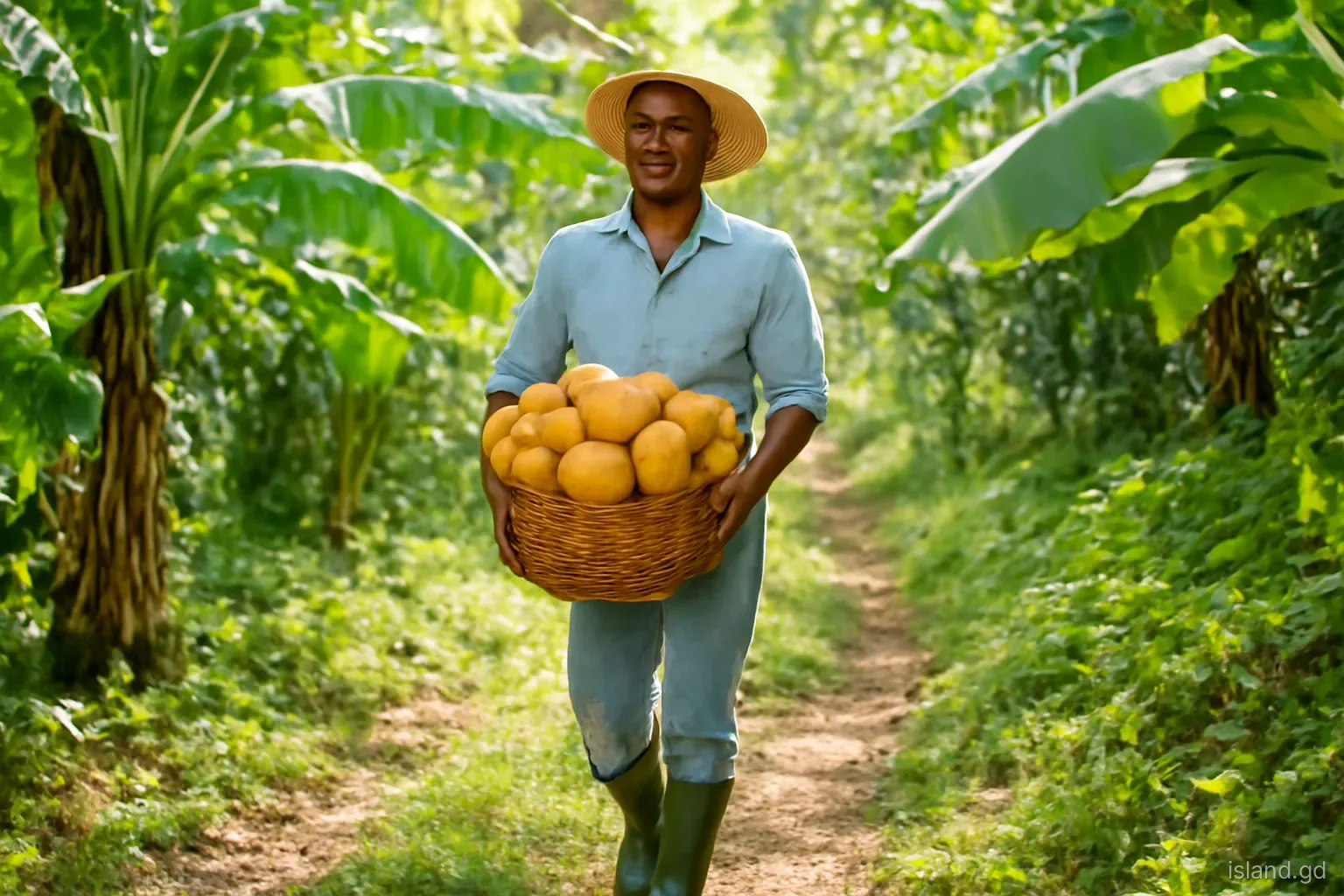
Beyond the estates, small farms dominate. Cocoa, bananas, mangoes and ground provisions are grown across St Patrick, and roadside stalls in season can be the best place to buy fruit.
Birds and wildlife to look for
The mix of wetland, dry coastal scrub, farmland and sea gives the north a broader range of wildlife than the busy south. At Levera Pond and Lake Antoine, look for herons and egrets standing in the shallows, common gallinules and coots moving through the reeds, and kingfishers perched over the water. In the migration months, roughly from late summer into spring, visiting shorebirds such as sandpipers and plovers may feed on the muddy edges.
Over the sea, brown pelicans, frigatebirds and terns work the channel between the main island and the offshore islets, and those islets give nesting space to seabirds away from people and predators. On land, hummingbirds visit flowering shrubs in gardens, and the bananaquit, a small yellow-breasted bird, is common almost everywhere.
Mona monkeys and armadillos, known locally as tatou, live in the forested interior and occasionally appear on the edges of farmland. Early morning and late afternoon are the best times for wildlife, and binoculars make a big difference at the wetlands, where birds often keep their distance.
What to know before heading north
The north is rewarding but less geared to visitors than the south. These points help.
- Allow a full day. From Grand Anse, the drive north takes well over an hour each way along either coast, and features are spread out.
- Swim only where it is clearly safe. Most northern and north-eastern beaches face the Atlantic, with strong currents. Bathway's sheltered pool is an exception, and even there, stay inside the protected area.
- Carry supplies. Shops, fuel and restaurants are fewer and further apart. Water, cash and snacks avoid problems.
- Respect protected areas. Do not drive on beaches, light fires, take shells or disturb nesting turtles at Levera and nearby beaches.
- Use guides for wildlife. Local guides know where birds and turtles can be seen without disturbance and can arrange visits that follow conservation rules.
- Check road conditions after rain. Some northern roads are narrow and can be damaged by heavy rain; locals will know which routes are passable.
Frequently asked questions
What is Levera National Park in Grenada?
Levera is a protected area at Grenada's north-eastern tip that includes a large pond with mangroves, a long Atlantic beach and offshore islands such as Sugar Loaf. It is important for waterbirds and nesting sea turtles. Swimming is generally unsafe due to currents.
When can you see leatherback turtles in Grenada?
Leatherbacks nest in Grenada roughly between March and August, coming ashore at night on beaches including those around Levera. Visit only with organised, permitted turtle-watching groups that follow conservation guidelines, and never use torches or phone lights near nesting turtles.
What are the River Sallee boiling springs?
The River Sallee springs in St Patrick are small pools where gas bubbles up through the water, giving them a boiling appearance even though the water is not scalding. They have spiritual significance for some Grenadians, so visitors should be respectful and leave offerings undisturbed.
Can you swim at Bathway Beach?
Bathway Beach has a natural rock shelf offshore that creates a calmer pool along part of the beach, making it one of the safer swimming spots on Grenada's north-east coast. Beyond the shelter of the reef, currents can be strong, so stay within the protected pool.
Can you see Carriacou from Grenada?
Yes, on clear days Carriacou is visible from the northern tip of Grenada, especially from Sauteurs, the Levera area and high ground in St Patrick. The small islands between the two, such as Ronde and Caille, are also visible, showing how the chain links together.