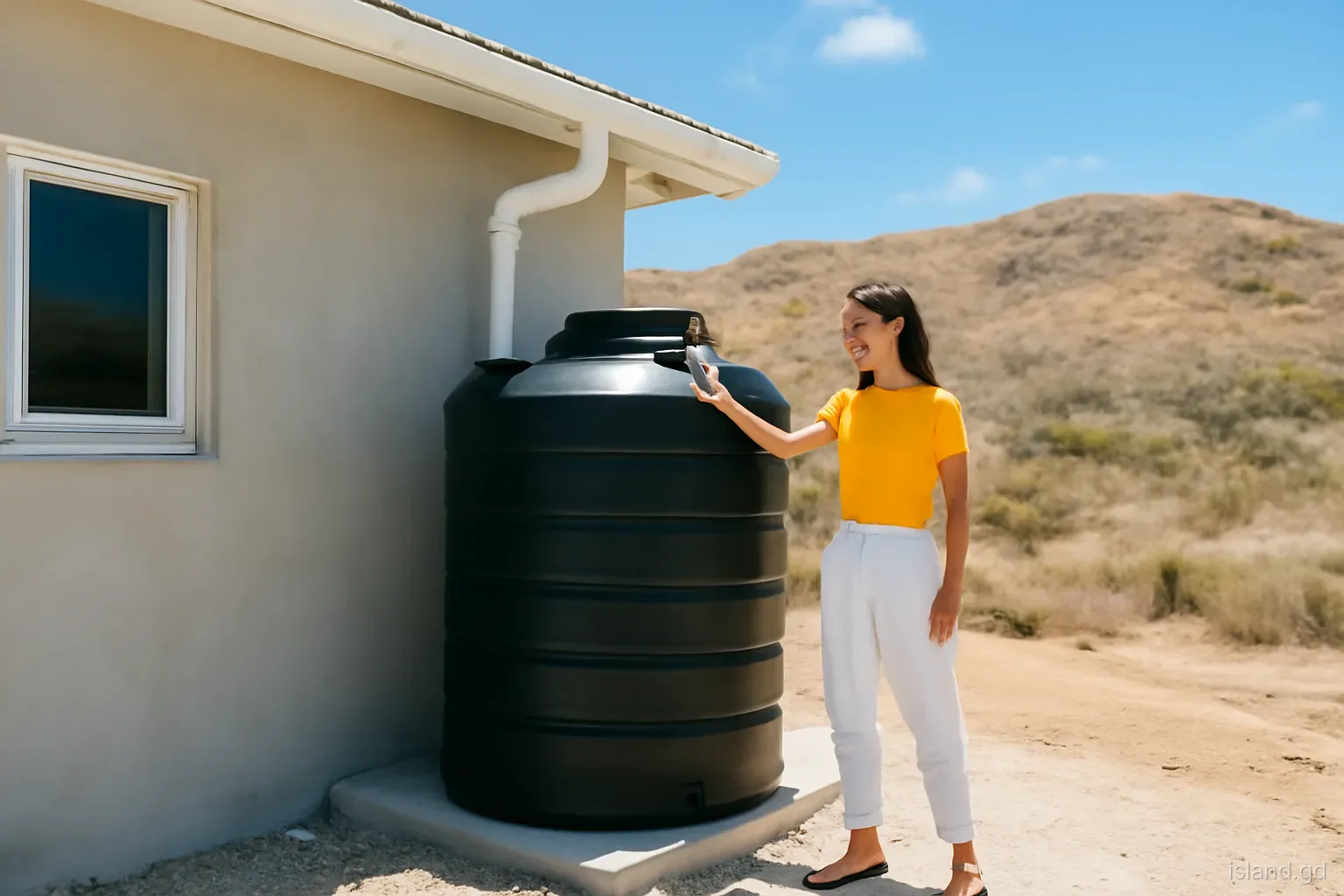

If you buy lunch from a roadside vendor in Grenada, you are unlikely to receive it in a Styrofoam box, and at the supermarket checkout you will be offered paper or reusable bags rather than thin plastic ones. Grenada's Non-Biodegradable Waste Control Act, passed in 2018, phased out expanded polystyrene food containers and then single-use plastic shopping bags, putting the country among the earlier movers in the Caribbean on plastic pollution.
Bans are only part of the picture. A small island has limited space for landfills, limited recycling options and a coastline that collects waste from land and sea. This article explains what the law covers, where waste ends up, what can realistically be recycled and how residents and visitors can reduce their impact.
What the bans cover
The Non-Biodegradable Waste Control Act targets specific products that cause persistent pollution. It was implemented in phases starting in 2018. The first phase banned importing and using Styrofoam, or expanded polystyrene, food containers and similar items. Later phases extended restrictions to single-use plastic shopping bags and other disposable items.
Exemptions and definitions are set out in regulations, which have been updated over time. Some products, such as bags for certain food safety purposes, may be treated differently. Businesses importing packaging should check the current rules with the relevant ministry and customs authorities before ordering stock.
Enforcement is carried out through customs controls on imports and checks on businesses. For most consumers, the main visible effect is that vendors use paper, cardboard, compostable or reusable containers, and shoppers bring their own bags or buy reusable ones at checkouts.
Where Grenada's waste goes
The Grenada Solid Waste Management Authority, GSWMA, manages waste collection and disposal. On the mainland, most waste goes to the Perseverance landfill in St George's parish, while Carriacou has its own disposal site at Dumfries. Collection trucks serve communities on scheduled days, and residents place waste in bins or at collection points.
Landfills on small islands face particular challenges: limited land, heavy rain that generates leachate, the risk of fires and the pressure of growing volumes. Fires at the mainland landfill have caused smoke problems for nearby communities at times, and managing the site safely is an ongoing task.
Illegal dumping in ravines, rivers and roadside bush remains a problem in places. Waste dumped inland often ends up in the sea after heavy rain, adding to marine litter. Hurricanes create enormous quantities of debris in a short time, as Beryl did on Carriacou and Petite Martinique, straining disposal capacity for months.
What can be recycled
Glass bottles. Returnable glass bottles for beer and soft drinks are part of long-standing deposit systems in the Caribbean. Returning bottles to shops or distributors keeps them in use.
Metals. Scrap metal, including old vehicles, appliances and aluminium cans, has export markets, and scrap dealers collect and ship it, depending on prices.
Plastics. Plastic recycling is limited because volumes are small and export costs high. Some initiatives collect plastic bottles for export or reuse; availability changes, so check locally.
Organic waste. Food scraps and garden waste can be composted at home. Composting reduces landfill volume and produces soil improver for gardens.
Used oil and batteries. Hazardous items need special handling. Ask GSWMA or service stations about disposal points for used engine oil, batteries and electronic waste.
Why waste is harder on a small island
Almost everything consumed in Grenada arrives by ship, and most of the packaging stays. Unlike large countries, the islands have no local plants for turning plastic, paper or glass into new products at scale, so recycling usually means collecting, sorting, baling and shipping material abroad. Freight costs often exceed what the material is worth, which is why markets for plastics come and go.
Land is the other constraint. Landfill space is limited and competes with housing, farming and nature. Each new cell must be engineered to contain leachate in a high-rainfall climate, and siting a new landfill is politically difficult.
These economics explain why Grenada has focused on keeping problem items out in the first place. Banning a product at the border is far cheaper than trying to manage it once it becomes litter, and it shifts demand toward alternatives that break down or can be reused.
Beaches, sargassum and marine litter
Grenada's beaches collect litter from local sources and from ocean currents carrying debris across the Atlantic and Caribbean. Windward beaches on the east coast tend to receive more ocean-borne debris, while west-coast beaches near towns may see more local litter after heavy rain.
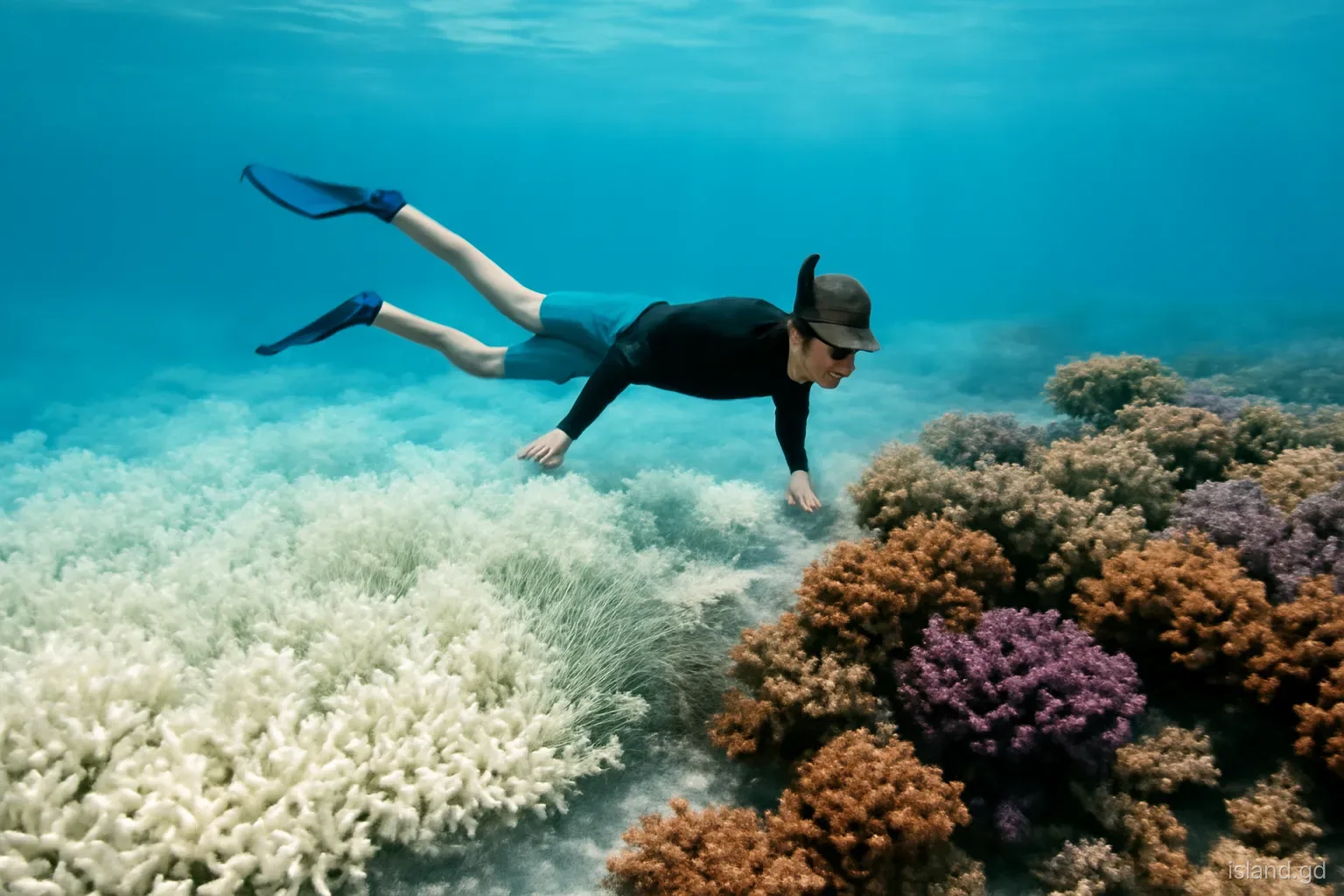
Since 2011, large influxes of sargassum seaweed have periodically affected Caribbean coastlines, including Grenada's east coast. Sargassum is natural, but the scale of recent blooms has been linked to changes in ocean conditions and nutrient inputs. Decomposing sargassum produces unpleasant odours and can affect fishing and tourism.
Beach clean-ups organised by schools, community groups, dive operators and environmental organisations remove large amounts of litter each year. International Coastal Cleanup days in September draw volunteers to beaches across the islands. Joining a clean-up is a practical way for visitors to contribute.
Reducing your footprint in Grenada
Small choices add up on an island where every item must be imported and every piece of waste stays. Practical habits include:
- Carry a reusable shopping bag, water bottle and coffee cup. Refill water where safe rather than buying bottled water every day.
- Bring your own container for takeaway food from vendors who are happy to use it.
- Choose local produce from markets, which often comes with minimal packaging.
- Avoid single-use items such as straws and plastic cutlery when you can.
- Pack out what you bring on hikes, beaches and boat trips, including cigarette butts.
- Return glass bottles where deposit systems exist.
- Dispose of waste in designated bins, not in ravines, rivers or bush.
- Choose accommodation and tour operators that minimise waste and support clean-ups.
Running a lower-waste household
Residents, including long-stay visitors renting homes, can cut what goes to landfill considerably with a simple routine:
- Learn your collection days from GSWMA or neighbours and use covered bins, so dogs and birds do not scatter rubbish before the truck arrives.
- Keep a separate container for food scraps and start a compost heap or bin in the garden; in a warm climate, compost matures quickly.
- Rinse and return glass bottles where deposits apply, and keep aluminium cans separate for scrap collectors when markets are active.
- Buy staples such as rice, flour and sugar in larger bags, and shop at markets with your own baskets and containers.
- Use a water filter instead of bottled water where the supply is safe to treat.
- Store hazardous items, such as batteries and used oil, separately until you can take them to a proper disposal point.
- Never burn rubbish in the yard; it releases toxic smoke and is a common cause of bush fires in the dry season.
Common misconceptions
All plastics are banned. The law targets specific items. Many plastic products, such as bottles and packaging for imported goods, remain legal, so reduction depends on individual choices too.
Recycling solves the problem. On a small island, recycling options are limited and expensive. Reducing and reusing matter more than recycling.
Waste is someone else's job. GSWMA collects waste, but litter, illegal dumping and excess packaging are shared responsibilities. A bag dropped on a roadside today can be in a ravine after the next downpour and on a beach a week later.
Sargassum is pollution. Sargassum is a natural seaweed, but its scale reflects wider ocean changes. It should be handled carefully, not dumped in waterways.
Visitors do not make a difference. Tourism generates significant waste, from bottled water to takeaway packaging and amenities in hotel rooms. Visitor habits influence what businesses offer and how much ends up in landfills, and requests for refills or reusable options are noticed.
Frequently asked questions
Is plastic banned in Grenada?
Grenada has banned Styrofoam food containers and single-use plastic shopping bags under the Non-Biodegradable Waste Control Act, implemented in phases from 2018. Many other plastic products are still legal. Check current regulations for details on specific items and exemptions.
Who handles waste collection in Grenada?
The Grenada Solid Waste Management Authority, GSWMA, manages collection and disposal. Most mainland waste goes to the Perseverance landfill in St George's parish, while Carriacou has a separate disposal site. Collection runs on scheduled days in each community.
Can you recycle in Grenada?
Recycling is limited. Returnable glass bottles, scrap metal and some plastics can be recycled or reused, depending on current programmes and markets. Composting organic waste at home is effective. Reducing and reusing remain the most important steps on a small island.
Why is there seaweed on Grenada's beaches?
The seaweed is usually sargassum, which has arrived in large quantities in the Caribbean since 2011. Grenada's east coast is most affected. Influxes vary by season and year. Sargassum is natural but its scale reflects changing ocean conditions and nutrient levels.
Are there beach clean-ups in Grenada?
Yes. Schools, community groups, dive operators and environmental organisations organise clean-ups regularly, and International Coastal Cleanup events in September draw volunteers to beaches across the islands. Visitors are generally welcome to join; ask local organisations or your accommodation about upcoming events.
What should businesses know about the plastic ban?
Businesses importing or using food containers and bags must comply with the Non-Biodegradable Waste Control Act and its regulations. Check which products are banned, which alternatives are acceptable and any exemptions with the relevant ministry and customs before ordering supplies.