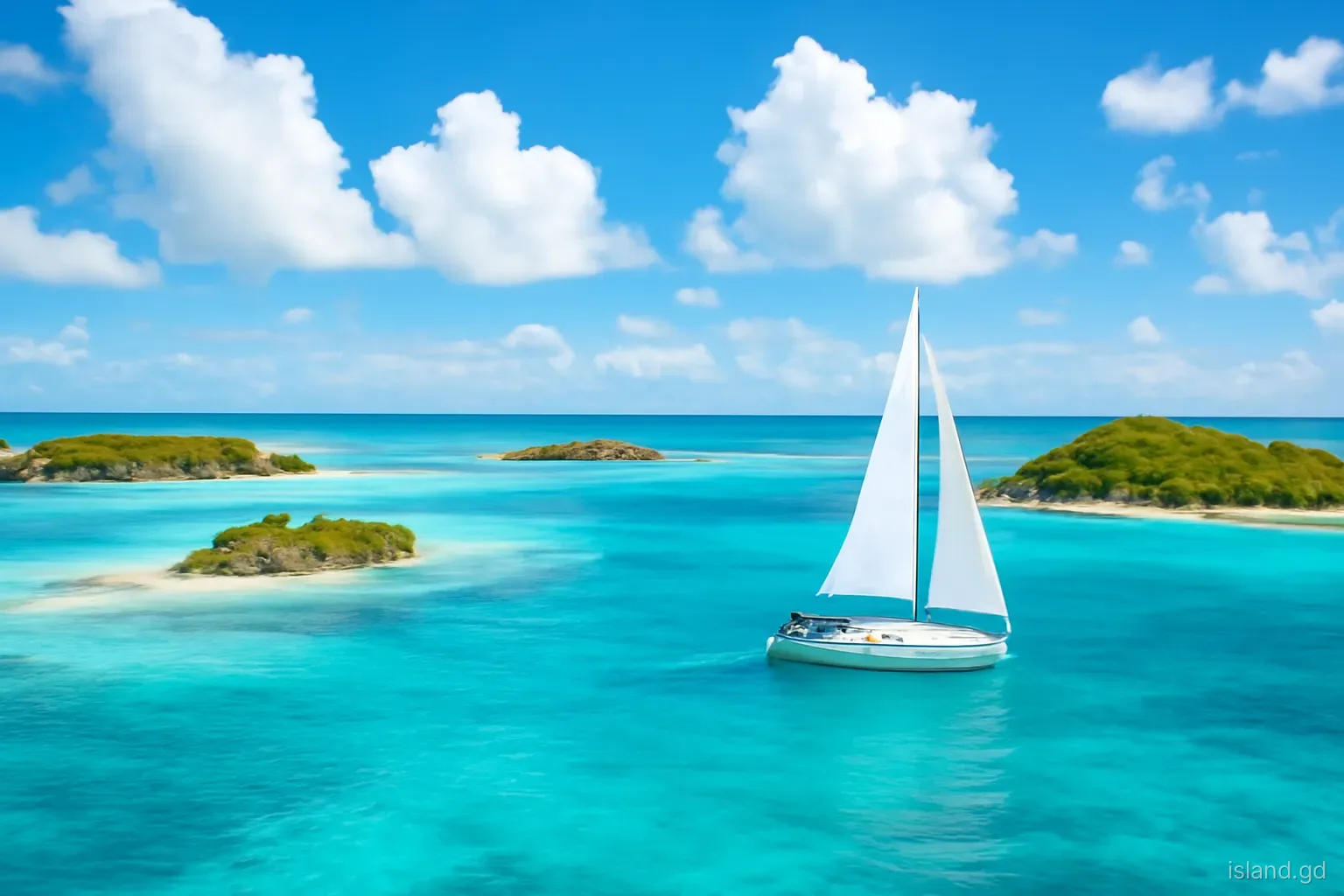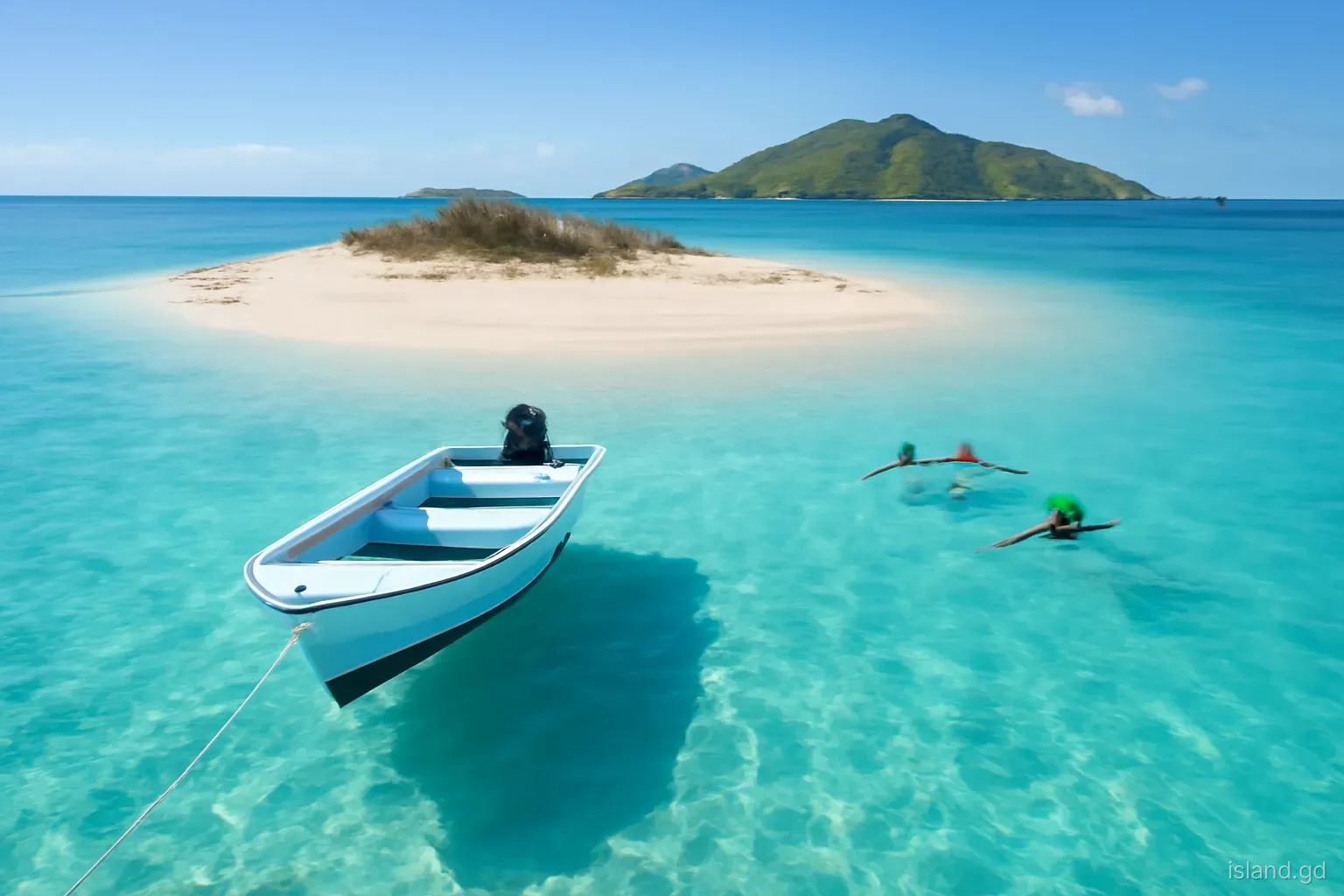
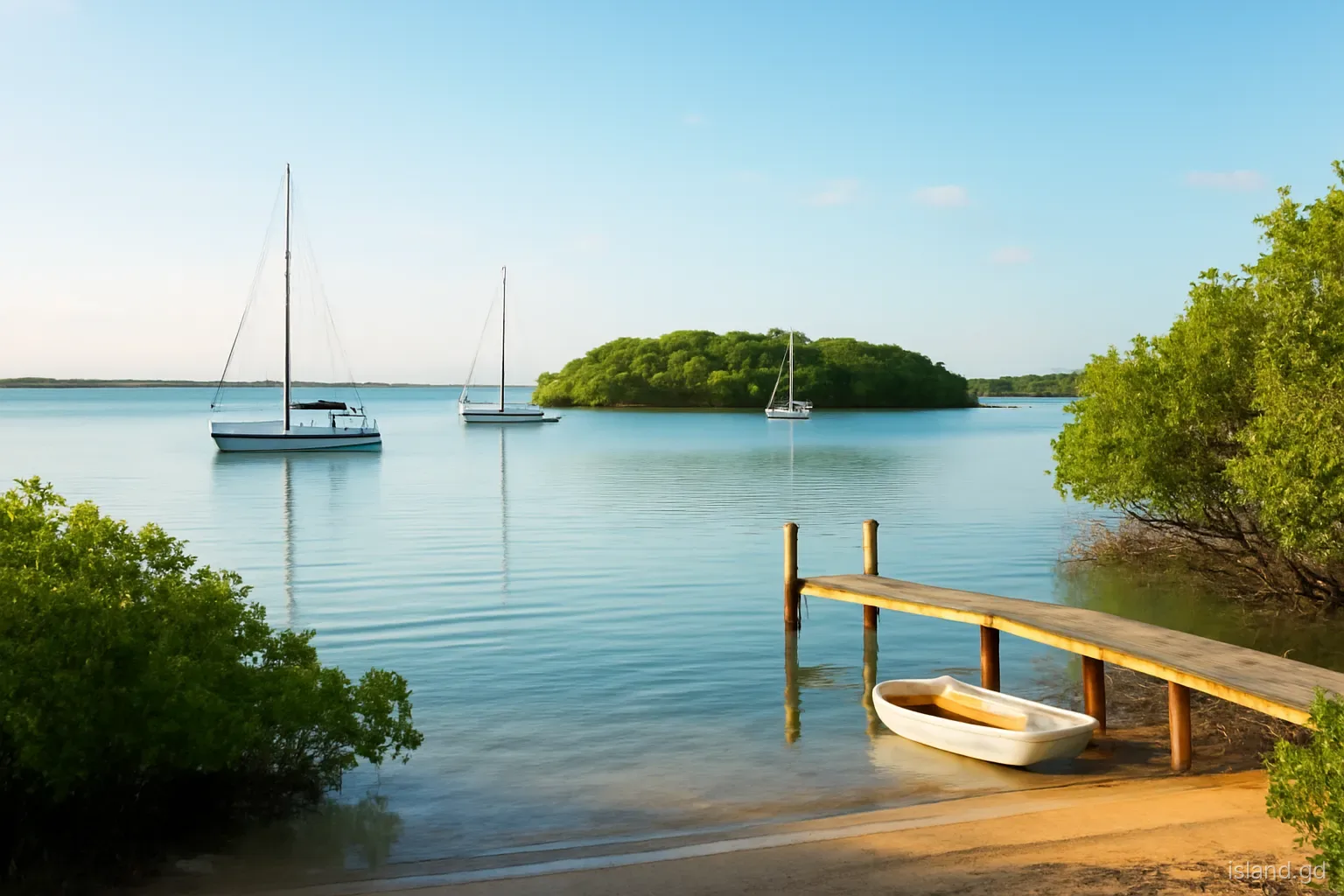
Hog Island is a low, wooded island off Grenada's south coast in the parish of St George, tucked between the long fingers of land that make this stretch of coast so popular with sailors. It is uninhabited, mostly covered in dry woodland and fringed with mangroves, and it shelters one of the best-loved anchorages in Grenada.
For many years its western beach was known among cruisers as the place to gather on a Sunday afternoon, around a simple beach bar and a barbecue. At the same time, the island has been the subject of resort development plans for more than two decades, and a bridge already links it to the mainland near Lower Woburn.
This article looks at Hog Island as a place: its geography, its natural value, its role for sailors, the questions over its future and how to visit it respectfully. Arrangements on the island have changed over time, so check the current situation locally before relying on any facility.
Where Hog Island sits
Grenada's south coast east of Point Salines is a series of peninsulas and deep, sheltered bays: Prickly Bay, Mount Hartman Bay, Clarkes Court Bay, Woburn Bay and further east the Egmont and Calivigny peninsulas. Hog Island lies in the middle of this coastline, between Mount Hartman Bay and Clarkes Court Bay, with reef and shallows separating it from the open sea.
The island's position is the key to its importance. With reef to the south and the mainland to the north, the water between Hog Island and the shore is unusually sheltered from swell. It has long been a favoured anchorage, including for boats that stay in Grenada through the hurricane season, since the island lies at the southern edge of the main hurricane belt.
From the land, the island is less obvious. The fishing village of Lower Woburn, on the shore of Clarkes Court Bay, is the closest community, and a road leads down towards the bridge that connects the island to the mainland. Most visitors, however, still arrive by water, by dinghy from a yacht or by small boat from one of the nearby marinas.
The island in the landscape of the south coast
Seen from the hills above Woburn or from a boat outside the reef, Hog Island reads as part of a pattern. The south coast's peninsulas are increasingly lined with villas, marinas and resorts, while Hog Island has remained largely wooded, its outline unchanged for generations apart from the bridge and the clearings made for development. That contrast is a large part of why people care about it.
The island is low compared with the ridges of the mainland, and its shore alternates between short sandy beaches, mangrove fringe and rocky points. The leeward side facing the anchorage is calm; the southern side, facing the reef and the open sea beyond, is rougher and more exposed. Along that outer edge the reef takes the brunt of the Atlantic swell, and on windy days you can see a line of white water breaking well offshore while the anchorage stays flat.
For the fishing community of Lower Woburn and neighbouring villages, the bays around Hog Island are working waters, used for setting pots, catching bait and moving between the shore and the fishing grounds. Any picture of the island that leaves out the people who fish around it is incomplete.
Nature on and around the island
Mangroves. Red and black mangroves fringe parts of the island and the adjacent shore. Their tangled roots shelter juvenile fish, crabs and other marine life, trap sediment that would otherwise smother reefs and buffer the coast against storm waves.
Seagrass beds. Shallow seagrass in the bays feeds turtles and supports conch and many fish species. It also helps stabilise the seabed and keep the water clear.
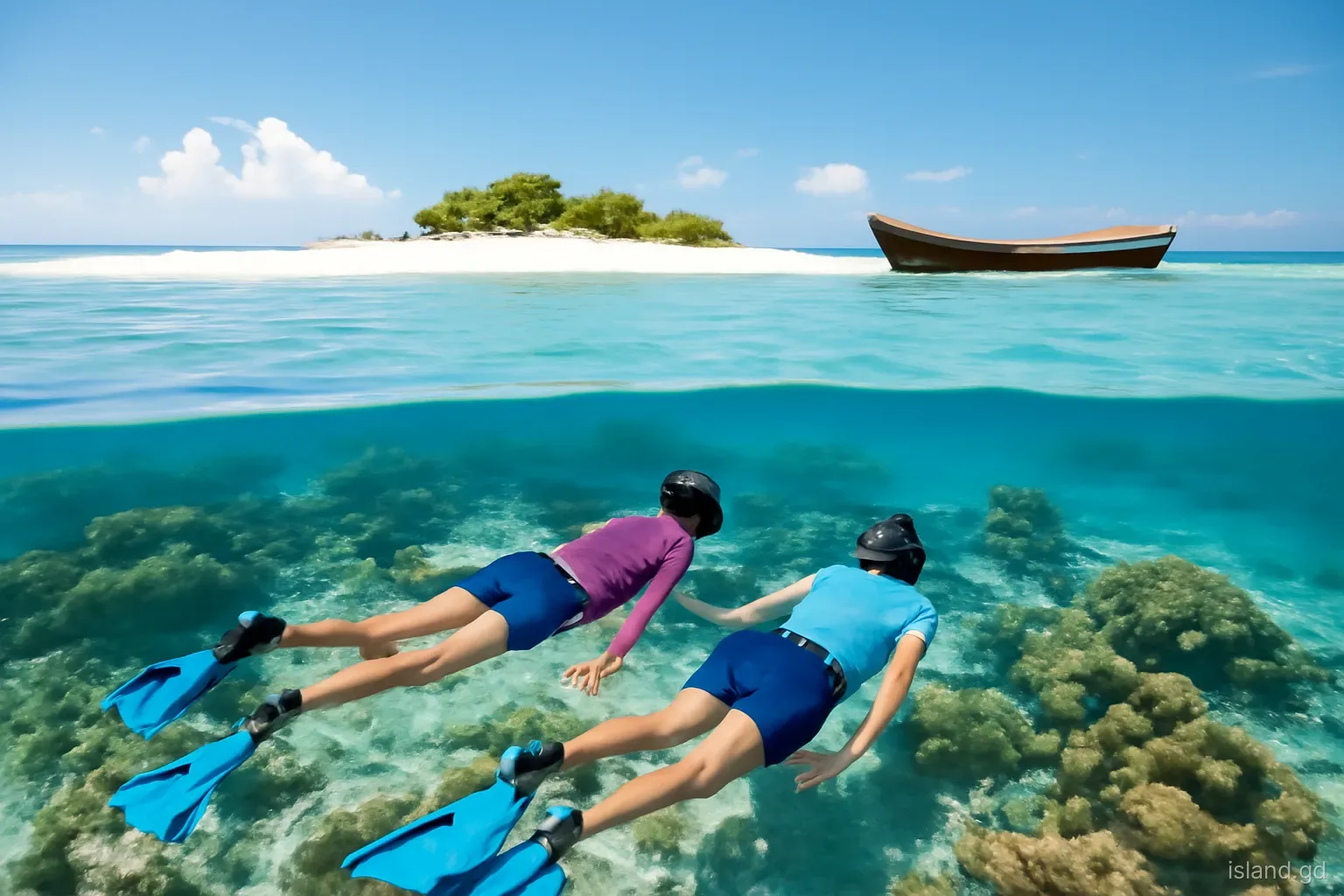
Reefs. Fringing reefs along the south side of the island break the Atlantic swell and provide habitat for reef fish. Snorkellers can see parts of the reef in calm conditions, but care is needed around boat traffic and the reef edge.
Dry woodland. On land, Hog Island is covered in the dry scrub and woodland typical of Grenada's south coast, with thorny shrubs, cacti, small trees and manchineel near the shore. Birds use the island as a quiet refuge close to the developed mainland.
Protection. The waters of Woburn Bay and Clarkes Court Bay have been designated as a marine protected area, reflecting the importance of these mangroves, seagrass beds and reefs for fishing communities and wildlife.
A cruisers' anchorage
The anchorage off Hog Island has a long association with the cruising community in Grenada. Yachts anchor in the sheltered water between the island and the mainland, with easy dinghy access to the nearby marinas and boatyards of Clarkes Court Bay and Mount Hartman Bay. For crews staying months at a time, it offers a quieter alternative to the busier bays.
For years, a simple beach bar on Hog Island's western shore served as an informal meeting place, especially on Sunday afternoons, when cruisers, local residents and visitors gathered for music, barbecue and conversation. It became part of Grenada's sailing lore. Whether and how such gatherings continue has depended on the state of the island's development plans, ownership and access arrangements, so ask locally rather than relying on old reports.
Sailors anchoring here should check holding carefully, as the bottom includes patches of mud, sand and weed, and should leave room for other boats and for local fishing boats moving through. The approaches require care because of reefs, and should be made in good light with current local guidance.
The development debate
Hog Island has been earmarked for resort development for more than twenty years. Plans by successive developers have envisaged a hotel and associated facilities on the island, and the bridge from the mainland near Lower Woburn was built as part of that process. Progress has been slow and the project has changed form several times.
The plans have generated debate in Grenada. Supporters argue that investment brings jobs and foreign exchange, which the economy needs. Critics, including some residents of nearby communities, sailors and environmental groups, have raised concerns about public access to the island and its beaches, the impact on mangroves and reefs, effects on fishing in the bays and the loss of one of the south coast's few undeveloped islands.
The outcome depends on government decisions, investor plans and planning approvals, all of which can change. Anyone interested should follow local news and official announcements. For visitors, the practical point is simple: land on Hog Island may be private or under development, and access can be restricted. Respect any notices or instructions from staff and security.
Visiting Hog Island: practical points
Hog Island is close to Grenada's busiest tourism area but has almost no facilities. Keep the following in mind:
- Getting there. By dinghy from a yacht anchored nearby, by small boat from a south coast marina, or via the road to Lower Woburn and the bridge, depending on current access arrangements.
- Facilities. Do not count on any. Take water, food, sun protection and a bag for your rubbish.
- Insects. Mosquitoes and sandflies can be fierce near mangroves, especially at dawn and dusk. Bring repellent.
- Manchineel. Learn to recognise this poisonous tree, which grows on south coast beaches. Do not shelter under it, eat its fruit or burn its wood.
- Dinghies. Lock your dinghy and outboard, and pull it clear of the water or tie it so it does not obstruct others.
- Swimming and snorkelling. Watch for boat traffic, stay inside the reef and do not touch coral or disturb seagrass.
- Respect. Keep noise down near homes on the mainland shore, follow any notices about private land, and leave nothing behind.
Frequently asked questions
Where is Hog Island in Grenada?
Hog Island lies off Grenada's south coast in the parish of St George, between Mount Hartman Bay and Clarkes Court Bay, east of the Lance aux Epines peninsula. The village of Lower Woburn is the nearest mainland community, and a bridge links the island to the shore.
Can you visit Hog Island?
Many people visit by dinghy or small boat, and the bridge provides a land connection. Access arrangements have changed over time because of development plans and private ownership, so check the current situation locally and respect any restrictions or instructions on site.
Is Hog Island a good anchorage?
It has long been one of Grenada's most sheltered anchorages, protected from swell by reefs and the mainland. Holding varies and the approaches pass reefs, so use current local guidance, approach in good light and set your anchor carefully.
Is there a bar on Hog Island?
For many years a simple beach bar on the western shore was a popular Sunday gathering place for cruisers. Whether it operates depends on current ownership and development arrangements, so ask at nearby marinas or among cruisers before planning around it.
Why is Hog Island controversial?
Plans for a resort have been discussed for over twenty years. Supporters point to jobs and investment, while critics raise concerns about public access, mangroves, reefs, fishing and the loss of an undeveloped island. Decisions rest with government and planning authorities.