For many years Grenadians repeated a comforting idea: the island sits too far south for hurricanes. On 7 September 2004 Hurricane Ivan ended that belief. A major hurricane with sustained winds in the Category 3 range passed just off the south-west of the island, and within hours most homes had lost roofs, the capital's historic buildings were open to the sky, power and water were gone, and the forests and nutmeg groves of the interior were flattened.
The official death toll in Grenada is usually given as 39, and damage was estimated at roughly twice the size of the island's annual economic output. Less than a year later, Hurricane Emily brought further damage to Carriacou and the north of the mainland. Two decades on, Ivan still divides Grenadian memory into before and after, and the changes it forced, in building, insurance, agriculture and disaster planning, shape how the islands are approaching a hotter, stormier future.
Why Ivan hit so hard
Grenada lies near the southern edge of the Atlantic hurricane belt, and direct hits from major storms are less frequent than further north. Before Ivan, the last severe hurricane in living memory was Janet in 1955. Two generations had grown up without one, and building habits, insurance cover and emergency planning reflected that relative safety.
Many houses had light timber roofs fixed with nails rather than straps, roof overhangs that caught the wind, and windows without shutters. When the roofs went, rain destroyed interiors, furniture and documents. Public buildings were similarly exposed: churches, schools, the prison and the parliament building all suffered serious damage.
The interior forests and estates were devastated too. Nutmeg trees, the backbone of Grenada's agricultural exports, were snapped or uprooted across large areas, as were cocoa, bananas and fruit trees. Because nutmeg trees take years to come into bearing, the impact on rural incomes lasted far longer than the storm.
The first days and weeks
When the wind dropped, the scale of the damage became clear almost immediately. Roads were blocked by fallen trees and poles, the telephone network was largely down, and many people had no way of contacting relatives in other parishes. Water supply failed as pipes broke and pumps lost power, and electricity was out across the island, in some areas for months.
Order was strained in the capital in the first days, with looting of shops reported and the prison at Richmond Hill badly damaged, allowing inmates to leave. A curfew was imposed, and security personnel from neighbouring countries under the Regional Security System arrived to support local police while relief supplies came in by sea and air.
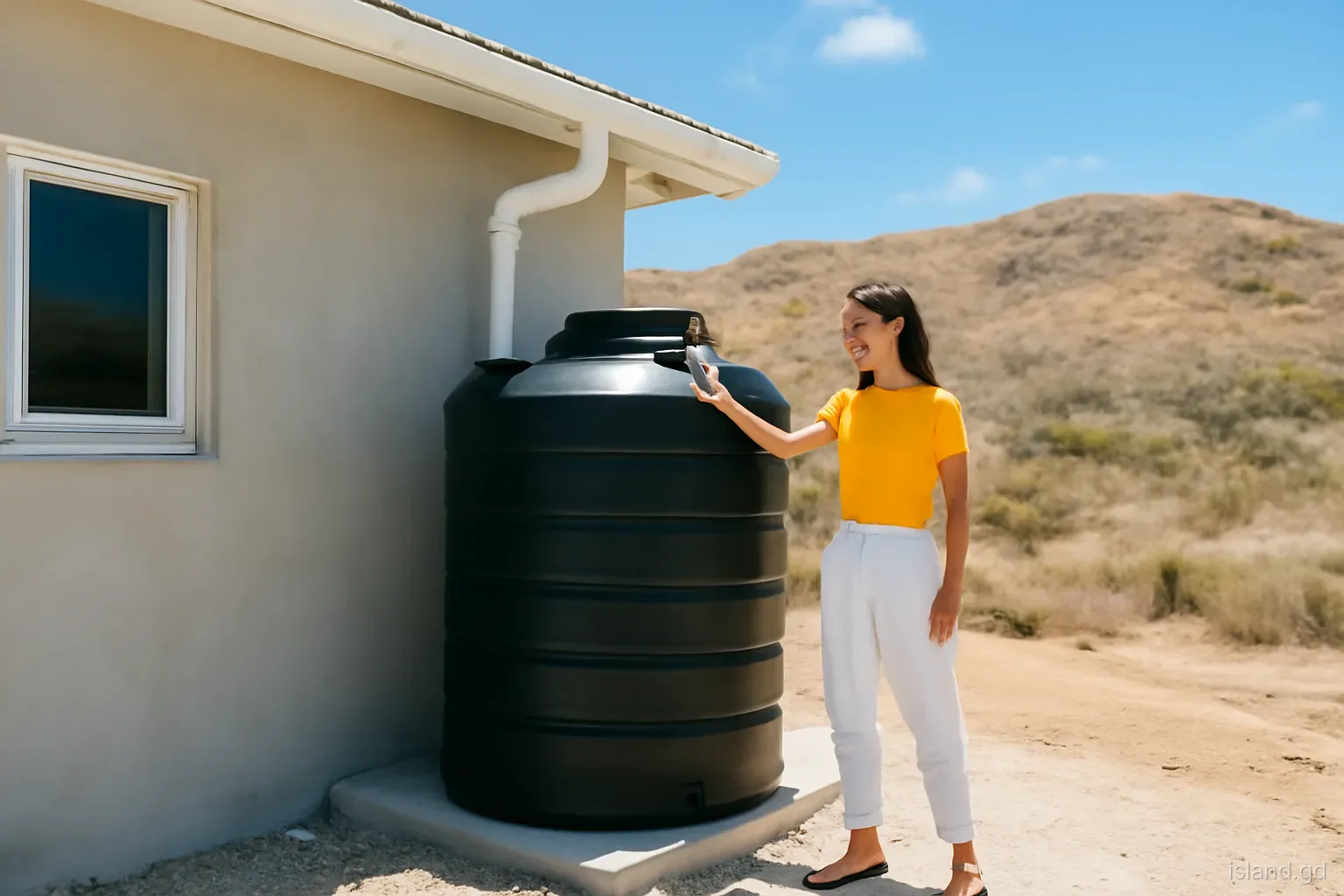
Thousands of people lived for weeks in damaged homes covered with tarpaulins, with relatives, or in shelters. Schools reopened slowly, some in temporary arrangements. That period left many Grenadians with a lasting habit of keeping water, food, batteries and important documents ready from June onward.
Ivan's mark on St George's
St George's, one of the most picturesque harbour towns in the Caribbean, lost roofs on many of its historic buildings. Churches that had stood for well over a century, including the Anglican and Roman Catholic churches on the hill above the Carenage, were left roofless or badly damaged, along with the old parliament at York House and other government buildings.
Restoration of historic buildings has been slow and expensive, because heritage repairs require specialist skills, matching materials and money that competed with housing and schools. Some churches were repaired within a few years; others took well over a decade, and a few historic structures remain incomplete. Walking the town today, the mix of restored stonework, new roofs and remaining shells is a visible record of the storm.
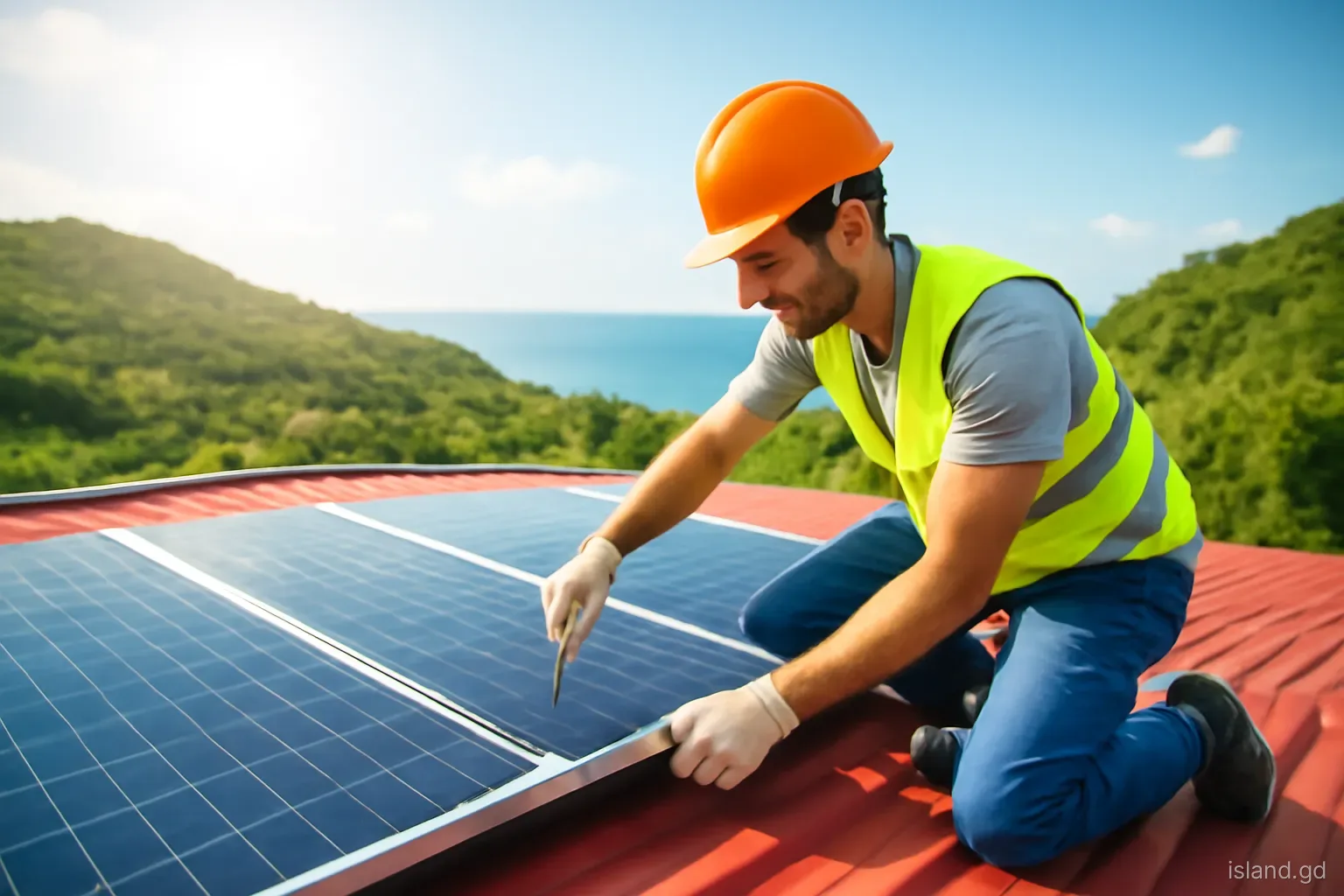
The rebuilding also changed the skyline in quieter ways. Many timber-and-shingle roofs were replaced with metal sheeting, and new concrete buildings filled gaps where older structures could not be saved.
What changed in building
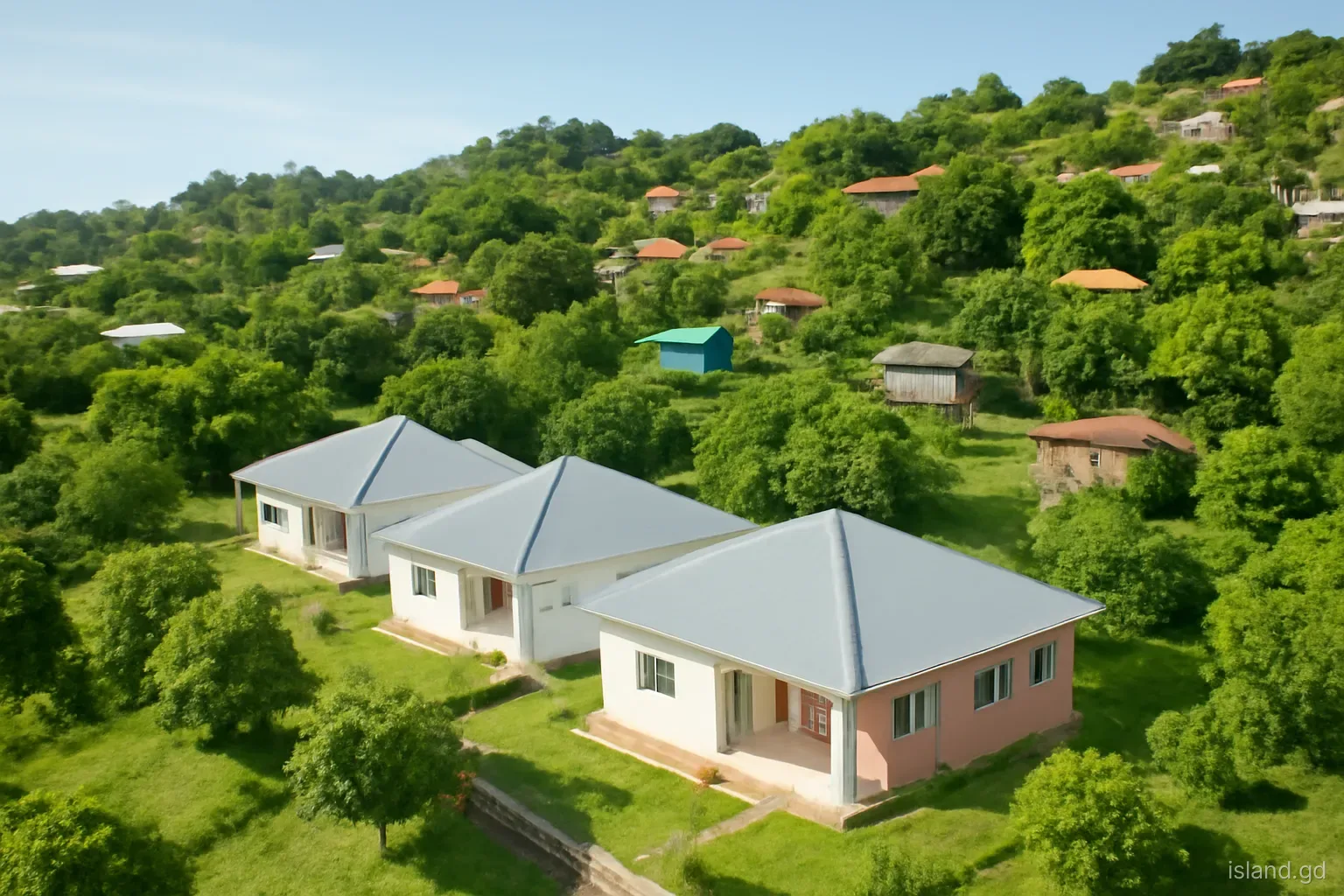
Roofs and straps. Hurricane straps and clips connecting rafters to walls became standard in reputable construction. Builders and engineers pushed for hip roofs, with slopes on all four sides, which perform better in high winds than gable roofs.
Concrete over timber. Rebuilding favoured reinforced concrete block walls, continuing a trend that had started before Ivan. Traditional wooden houses still exist, especially in rural areas, but new homes are mostly concrete.
Shutters and openings. Storm shutters, impact-resistant windows and smaller openings on exposed walls became more common, though cost keeps them out of reach for some households.
Building codes and enforcement. Grenada's building code, based on Caribbean regional standards, gained prominence after Ivan, and the Physical Planning Unit became more insistent on approved plans. Enforcement for informal and self-built homes remains a challenge.
Public infrastructure. Schools, clinics and government buildings were rebuilt or retrofitted, and some were designed to serve as hurricane shelters. The new Houses of Parliament, opened in 2018 at Mount Wheldale, replaced the historic York House building damaged in Ivan.
Insurance, money and the birth of regional risk pooling
Ivan exposed how little financial cushion small island governments had for catastrophic events. Grenada faced huge reconstruction costs, lost revenue and an existing debt burden at the same time. Recovery depended heavily on donors, loans and remittances.
The experience fed directly into the creation of the Caribbean Catastrophe Risk Insurance Facility, CCRIF, launched in 2007 by Caribbean governments with support from international partners. CCRIF provides parametric insurance, paying out quickly when a hurricane, earthquake or extreme rainfall event meets agreed triggers, rather than after lengthy loss assessments. Grenada has received payouts over the years, including after Hurricane Beryl in 2024.
Grenada also later negotiated debt agreements containing hurricane clauses, which allow repayments to be deferred after a qualifying disaster. These were invoked after Beryl. For households, private insurance uptake improved after Ivan, but many homes, particularly older or informal ones, remain uninsured or underinsured.
Nutmeg, cocoa and the farmers who rebuilt
Grenada markets itself as the Spice Isle, and before Ivan it was one of the world's leading nutmeg producers. The storm destroyed a large share of trees. Replanting began quickly, supported by the Grenada Cooperative Nutmeg Association and government programmes, but young trees need years before they bear, and many farmers moved into other crops or work in the meantime.
Cocoa recovered more quickly in some areas, and the post-Ivan period saw growth in small chocolate makers and agro-processing. Farmers diversified into vegetables, fruit and short-cycle crops that produce income sooner and are less exposed to wind damage.
The lesson was that monoculture of tall tree crops is highly vulnerable to wind. Agricultural advisers now encourage mixed planting, windbreaks and crop insurance where available, though insurance for small farmers remains limited.
Disaster planning after Ivan
Before Ivan, Grenada's emergency structures were modest. The storm prompted a major overhaul of preparedness, much of which is visible today:
- The National Disaster Management Agency, NaDMA, coordinates preparedness, response and recovery, working through district committees and community groups across the parishes and on Carriacou and Petite Martinique.
- Designated hurricane shelters, often schools and community centres, are identified and inspected before each season, with lists announced publicly.
- Warnings are issued through the Grenada Meteorological Service, which works with regional forecasters, and are broadcast on radio, television and social media.
- Community emergency response teams train volunteers in first aid, search and rescue and shelter management.
- Schools, churches and businesses run drills and keep emergency plans, and the start of the hurricane season on 1 June is marked by public awareness campaigns.
What still needs work
Complacency between storms. Long gaps between major hurricanes allow habits to slip. Ivan's lessons faded for some until Beryl reminded everyone in 2024.
Self-built homes. Many houses are built in stages, without full engineering, and some do not meet code. Affordability, not ignorance, is often the barrier.
Steep slopes and drainage. Landslides and flash floods during heavy rain affect communities on steep land and near ravines, risks that go beyond wind.
Insurance gaps. Household and farm insurance remains patchy, which means families still depend on savings, remittances and aid after disasters.
Climate pressure. Warmer seas are expected to make the strongest hurricanes more intense. Preparation that seemed adequate for the twentieth century may not be enough for the decades ahead.
Frequently asked questions
When did Hurricane Ivan hit Grenada?
Hurricane Ivan struck Grenada on 7 September 2004. Its centre passed just off the south-west of the island with winds in the major hurricane range, causing extensive damage to homes, public buildings, forests and farms across the mainland.
How many people died in Hurricane Ivan in Grenada?
The figure usually cited for Grenada is 39 deaths. The storm also caused widespread injuries, displaced thousands of people and left most of the population without power and water for extended periods. Figures vary slightly between sources.
How did Hurricane Ivan affect Grenada's nutmeg?
Ivan destroyed a large share of the island's nutmeg trees, which take several years to bear after planting. Production fell sharply and took years to recover. Many farmers diversified into other crops, and the industry has rebuilt only partially.
What is CCRIF and how is it linked to Ivan?
CCRIF, the Caribbean Catastrophe Risk Insurance Facility, was set up in 2007 to give Caribbean governments fast parametric insurance payouts after disasters. Ivan highlighted how badly small states needed quick cash after catastrophic events, and it was a key motivation for creating the facility.
Was Hurricane Emily worse than Ivan?
No. Emily, in July 2005, was weaker overall but caused significant damage in Carriacou and the north of the mainland while recovery from Ivan was still underway. Coming so soon after Ivan, it set back rebuilding and added to the strain on households and government.
Is Grenada more prepared now than in 2004?
In many ways, yes. Building practices, shelters, warnings, risk insurance and the role of NaDMA have improved. Hurricane Beryl in 2024 showed that a very intense storm can still cause severe damage, particularly on Carriacou and Petite Martinique, so preparedness remains a work in progress.