On the morning of 1 July 2024, the eyewall of Hurricane Beryl passed over Carriacou and Petite Martinique as an extremely powerful Category 4 storm. Within a short time, the vast majority of homes and buildings on both islands were damaged or destroyed, power and communications were cut, roads were blocked, boats were wrecked and much of the vegetation was stripped bare. Lives were lost in Grenada, and many families on the sister isles lost everything they owned. Beryl went on to become the earliest Category 5 hurricane on record in the Atlantic.
No storm in modern times had struck this part of the Grenadines so directly or so early in the season. The recovery has been long and uneven, shaped by donor funding, the government's reconstruction programme, the work of residents and the support of the diaspora. This article looks at what Beryl revealed about vulnerability, what resilient rebuilding means in practice and what visitors should know.
What happened in July 2024
Beryl formed in late June in the tropical Atlantic and intensified with unusual speed over exceptionally warm water. Forecasters warned it would pass close to the southern Windward Islands. By the time it reached the Grenadines, its strongest winds were concentrated around a compact eye that crossed Carriacou and Petite Martinique, while mainland Grenada, further south, suffered damage mainly in the north.
Grenada's Prime Minister described Carriacou as flattened within about half an hour of the eyewall arriving. Roofs went first, then walls of weaker buildings. The Princess Royal Hospital, schools, government offices, churches and businesses were damaged. Utility poles and lines came down across both islands, and the telecommunications network failed.
Petite Martinique, with its small population closely tied to the sea, suffered similar devastation, including damage to boats and to the jetty and coastal areas. In the hours after the storm, the main priorities were search and rescue, water, shelter and medical care, with supplies arriving by sea and air from the mainland and from regional and international partners.
What Beryl revealed
Wind speeds beyond design. Even well-built houses were damaged by winds that exceeded what many structures were designed for. Beryl showed that the strongest storms in a warming climate can overwhelm standards that once seemed generous.
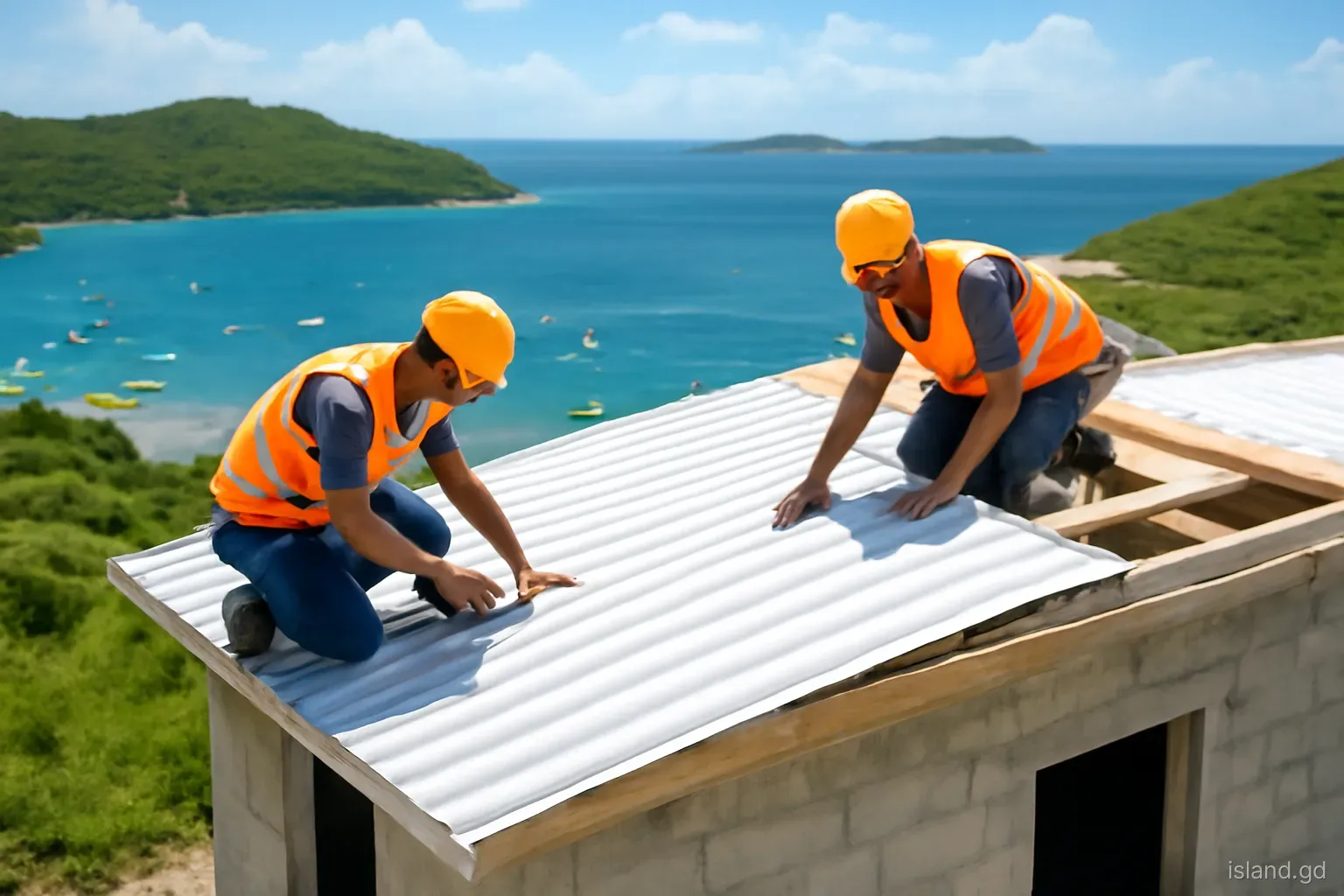
Roofs as the weak point. Most destruction began with roofs. Where roofs failed, rain and wind destroyed interiors and often brought down walls. Roof design, fixings and maintenance came under intense scrutiny.
Isolation. Carriacou and Petite Martinique depend on sea and air links to the mainland. When ports, airports and communications are damaged, relief slows. Pre-positioning supplies on the islands themselves became a clear lesson.
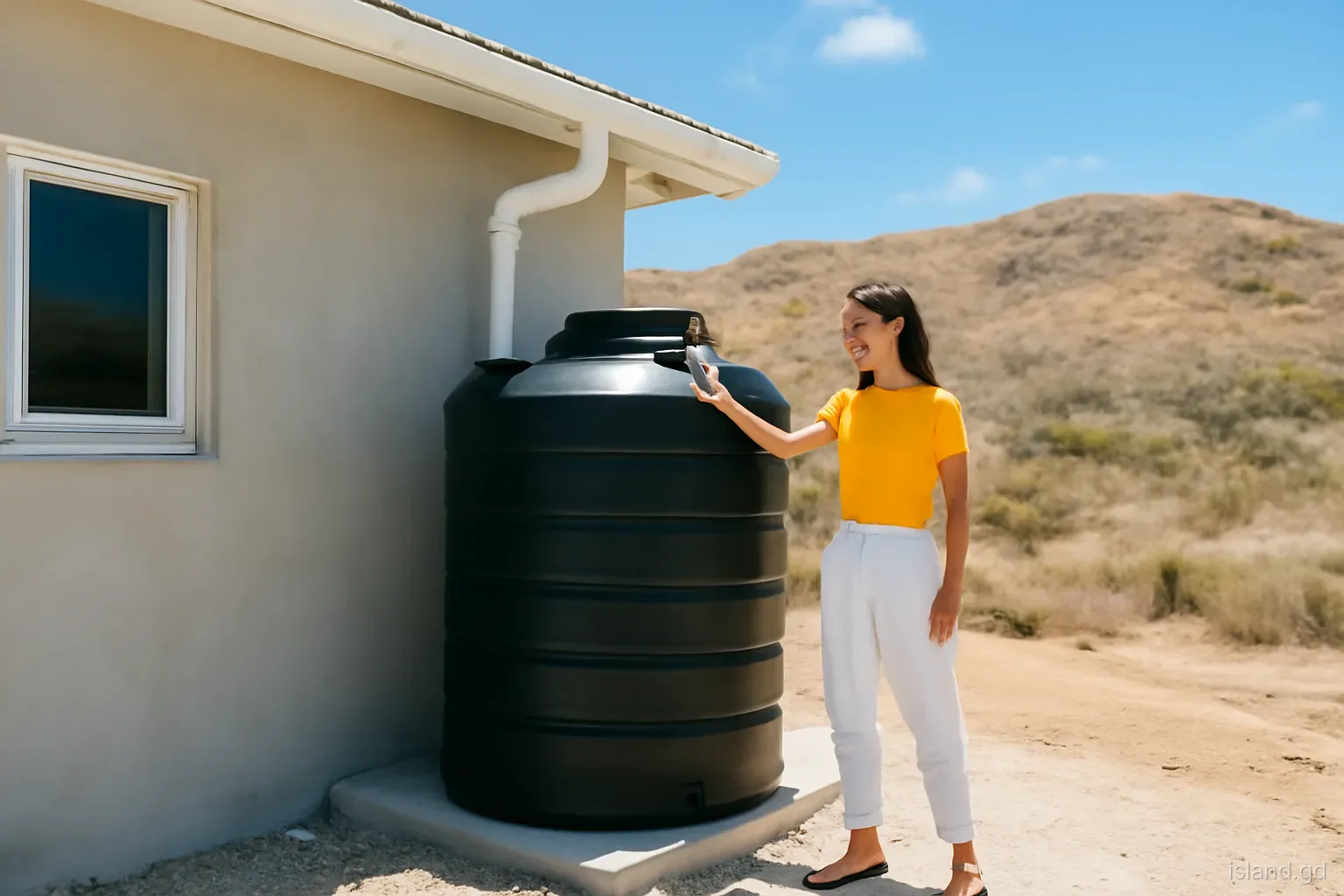
Power and water dependence. Without electricity, water pumps and desalination stop. Households with rainwater cisterns and solar systems that survived had a significant advantage in the first weeks.
Fragile livelihoods. Fishing, small tourism businesses, shops and boatbuilding all depend on equipment and buildings that were destroyed. Recovery of income lagged behind recovery of shelter.
Building back stronger
Reconstruction has been framed around building back better: rebuilding to a higher standard rather than restoring what existed. In housing, that has meant stronger roof structures with hurricane straps and closer fixing patterns for roofing sheets, hip roofs where possible, reinforced concrete walls, and attention to how roofs connect to walls and walls to foundations.
Government programmes, supported by international partners, have provided materials, grants and technical guidance to households. Engineers and builders from the mainland and abroad have worked alongside local tradespeople. Officials have also faced the difficult balance between speed, since people need roofs quickly, and quality, since poorly fixed roofs will fail again.
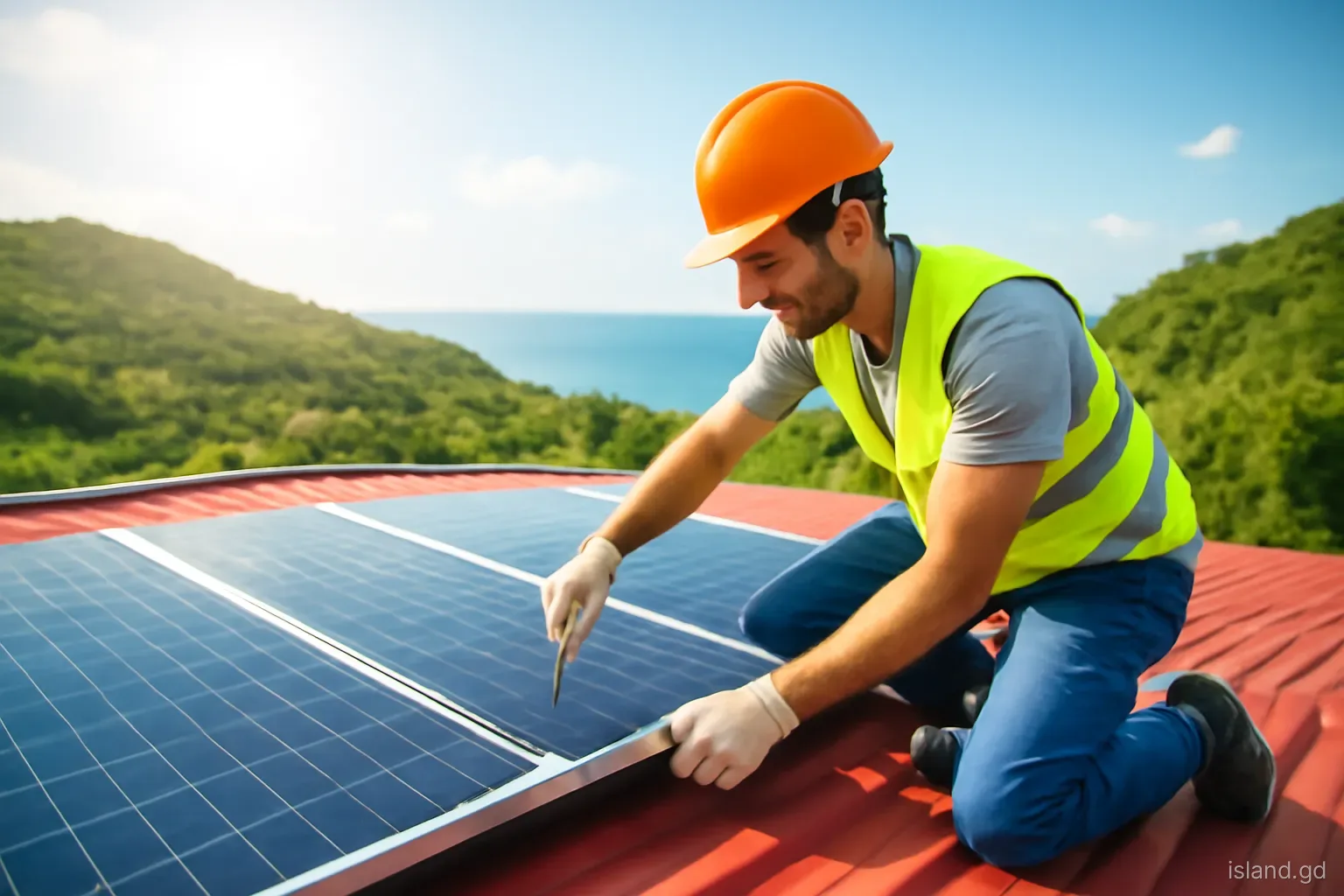
Public buildings are being rebuilt with resilience in mind, including schools and health facilities that can serve as shelters. The electricity grid has been rebuilt by Grenlec, the national utility, and there has been discussion of using the reconstruction to expand solar generation and battery storage on the sister isles rather than simply restoring diesel-based supply.
Lessons other islands are taking
Beryl has become a reference point for small island states in the region, studied by planners, engineers and disaster agencies far beyond Grenada. The storm was unusually early, unusually intense and unusually direct, which is exactly the combination climate scientists expect to see more often. Common lessons include:
- Assume the strongest storms will exceed historic records, and design buildings, grids and ports accordingly.
- Keep emergency supplies, communications equipment and fuel on outer islands, not only on the main island.
- Combine rainwater harvesting, solar power and battery storage so households and clinics can function when central systems fail.
- Use rapid-payout insurance such as CCRIF and debt instruments with hurricane clauses to secure quick finance.
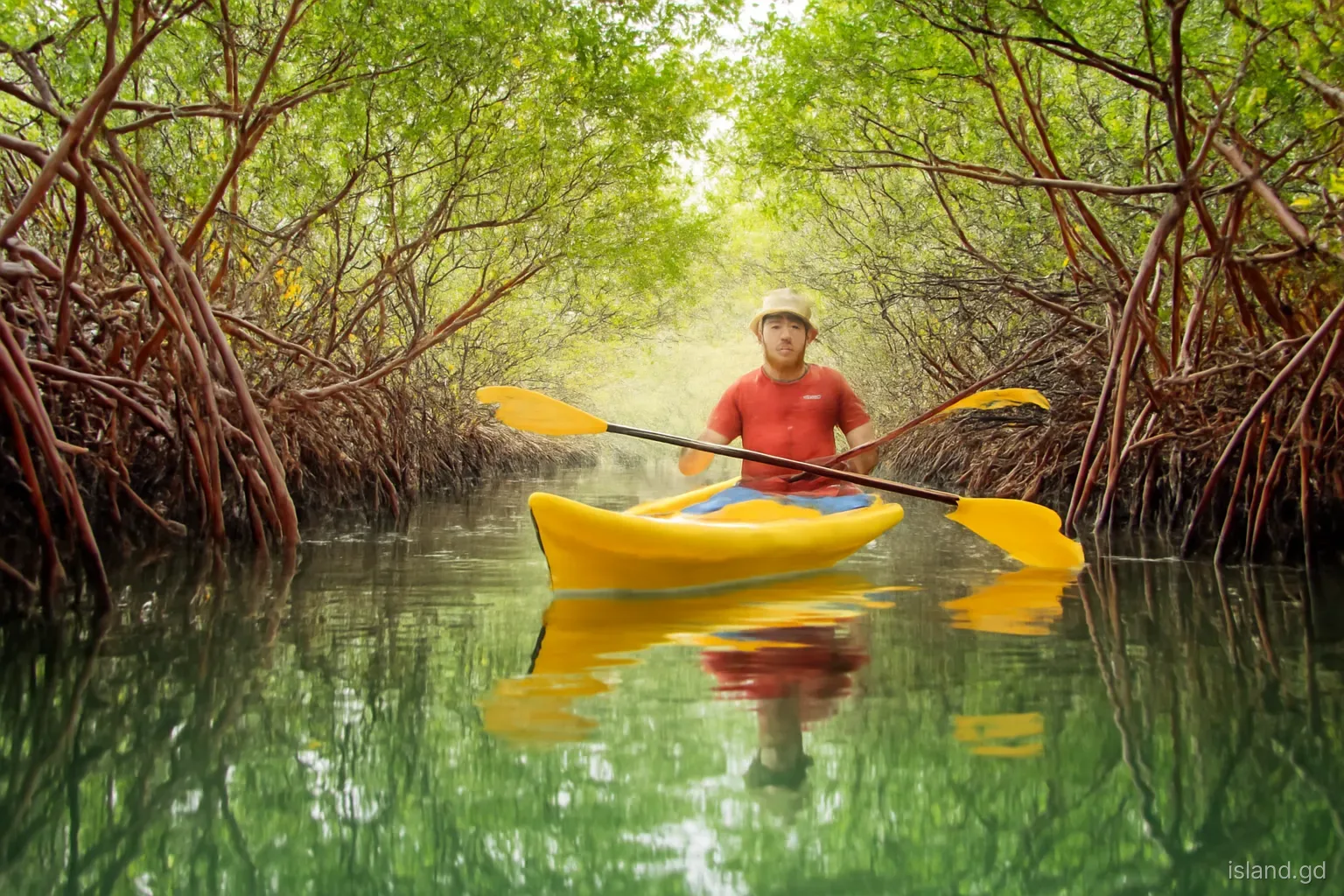
- Protect natural defences, including mangroves, reefs and vegetation on slopes, which reduce storm surge and erosion.
- Invest in community preparedness, so neighbours know who is vulnerable, where shelters are and how to coordinate in the first hours.
Nature after the storm
Photographs taken in the days after Beryl showed hillsides stripped of leaves and bark, with trees snapped or uprooted across Carriacou and Petite Martinique. Mangroves around Tyrrel Bay, Petit Carenage and other bays suffered heavy damage, and coastal vegetation that normally holds sand and soil in place was torn away. Some reefs were broken up by wave action.
Tropical vegetation recovers faster than buildings. Within weeks, the first rains brought new leaves, and many trees resprouted. But mature trees, especially the large shade and fruit trees that took decades to grow, cannot be replaced quickly, and mangroves and reefs recover over years rather than months. Some damaged mangrove stands may need active replanting.
Restoring these natural systems is part of resilience. Mangroves reduce storm surge and shelter boats, reefs break waves and vegetation stabilises slopes. Recovery thinking in the region increasingly treats replanting and reef protection as part of infrastructure rather than decoration.
Community, diaspora and the people who stayed
In the first days after Beryl, neighbours shared food, water and shelter, fishermen used surviving boats to move supplies, and church groups organised distribution. The response from mainland Grenada was immediate, with families sending supplies and volunteers crossing on whatever boats were available.
The diaspora, large communities of Carriacouans and Petite Martiniquans in Trinidad, North America and the United Kingdom, mobilised quickly, raising money, shipping barrels of supplies and in many cases returning to help rebuild family homes. Remittances have been a vital, if uneven, part of recovery.
Not everyone could stay. Some families moved to the mainland or abroad while their homes were rebuilt, and some may not return. For small communities, keeping people, especially young adults and skilled workers, is as important for recovery as replacing roofs.
Visiting Carriacou and Petite Martinique now
Check before you go. Accommodation, restaurants, dive centres and tour operators have reopened at different speeds. Confirm directly that a business is operating before you book, and do not rely on older reviews.
Spend locally. Tourism income helps families rebuild. Choosing locally owned guesthouses, eating at small restaurants and hiring local taxi drivers and boat operators puts money where it is most needed.
Expect visible scars. Damaged buildings, cleared land and stripped trees may be visible for years. Vegetation regrows quickly in the rainy season, but some changes will last.
Respect water and power limits. Utilities may still be under pressure. Conserve water, turn off air conditioning when out and be patient with interruptions.
Ask before photographing damage. A damaged house is someone's home. Ask before taking photographs of people's property or situations.
The longer road
Full recovery will take years. Housing is only part of it; schools, health services, roads, utilities, the natural environment and livelihoods all need rebuilding. Funding has come from the Grenadian government, CCRIF payouts, regional institutions, international partners, charities and the diaspora, and the pace of reconstruction has depended on how quickly money and materials arrive.
Residents have shown remarkable resilience, but recovery also carries heavy emotional and financial costs, and some families have moved away, temporarily or permanently. Supporting those who stayed, and making return attractive for those who left, is part of the challenge.
Beryl was a stark reminder that climate change is not a distant prospect for small islands. The rebuilding of Carriacou and Petite Martinique is a test of whether resilience can be built into homes, grids and communities before the next major storm.
Frequently asked questions
When did Hurricane Beryl hit Carriacou?
Hurricane Beryl struck Carriacou and Petite Martinique on 1 July 2024 as an extremely powerful Category 4 hurricane. Its eyewall passed directly over the islands, causing catastrophic damage to homes, infrastructure and vegetation. It later became the earliest Category 5 hurricane on record in the Atlantic.
How badly were Carriacou and Petite Martinique damaged?
Damage was extensive, with the vast majority of homes and buildings on both islands damaged or destroyed, and power, water and communications systems knocked out. Roads, boats, schools and the hospital were affected. Recovery has been a long-term effort involving government, partners and residents.
Is it okay to visit Carriacou after Hurricane Beryl?
Yes, and tourism income supports recovery. Many businesses have reopened, though at different speeds. Check directly that your accommodation, restaurants and activities are operating, be patient with utilities, and choose locally owned services where possible.
What does build back better mean in Carriacou?
It means rebuilding to a higher standard rather than replacing what existed, with stronger roofs, hurricane straps, reinforced walls and better connections between structural elements. It also includes more resilient public buildings, utilities and natural defences such as mangroves and coastal vegetation.
Did Grenada receive insurance after Beryl?
Yes. Grenada received payouts from CCRIF, the regional parametric catastrophe insurance facility, shortly after the storm. The government also used hurricane clauses in some debt agreements to defer payments, freeing money for immediate needs. These funds supplemented aid and donations.
How can visitors help Carriacou recover?
The most useful support is spending money locally: staying in locally owned accommodation, eating at local restaurants, hiring local guides and drivers, and buying local products. If you want to donate, choose established organisations working on the ground and ask how funds are used.